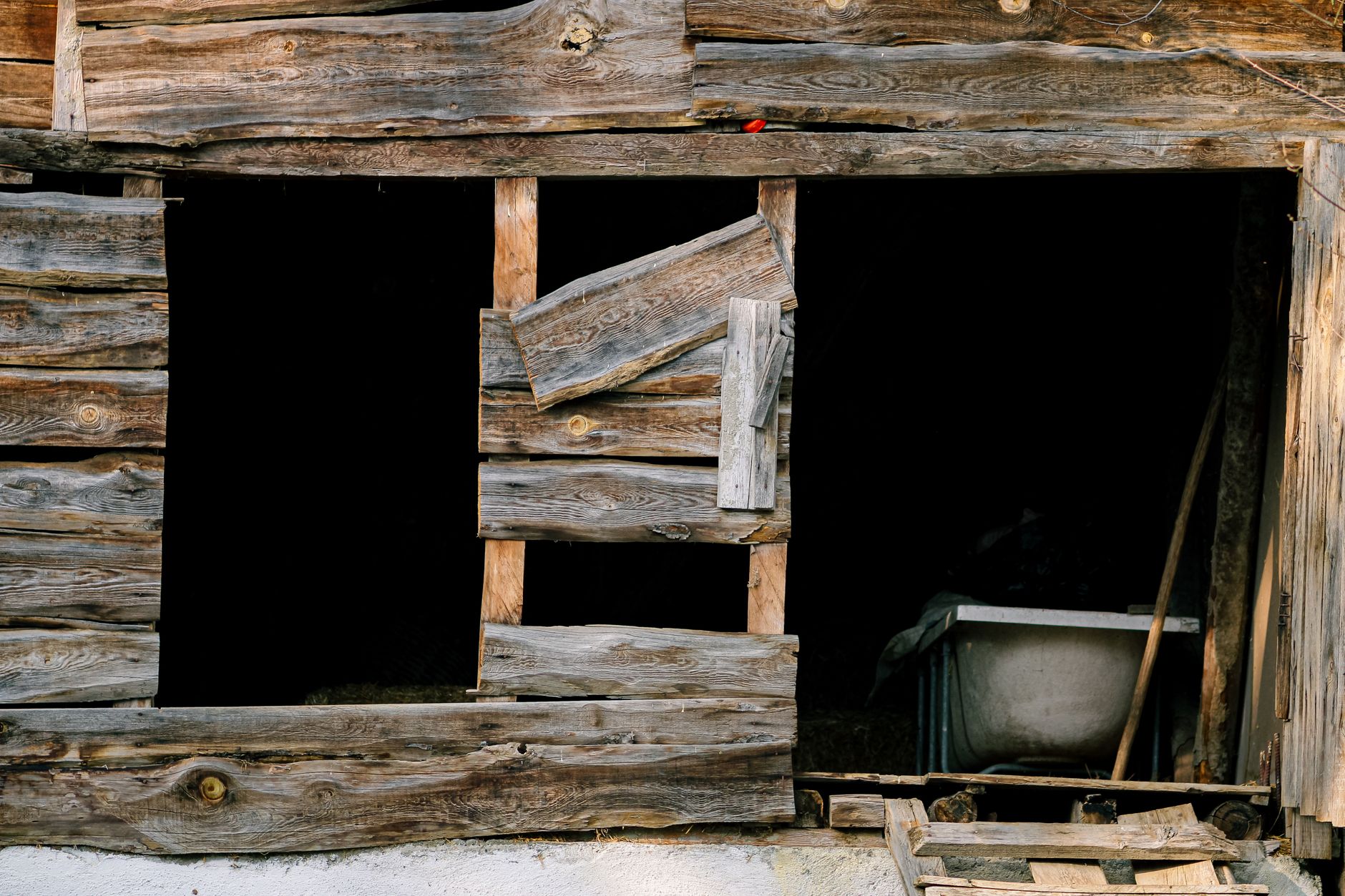
The Useless Barn That Saved a Town
I promised him. I would have promised him anything that spring. I tucked the wrinkled card he handed me into my coat pocket and I did not think about it again for four months, because four months later my father died on a Tuesday in September, in his own bed, with the window open so he could hear the geese going over.
I am not going to dwell on the grief. You have your own; you do not need mine. I will only tell you that the church was full for his funeral, fuller than it had been for anything in a decade, because it turned out that half the county had a story about something Otho Lindgren had quietly done for them, and a surprising number of those stories started with the words “he had this thing out in his barn that I needed.”
I should have heard it then. I did not.
For six weeks after we buried him I could not make myself go into the barn. Then on a raw morning in late October, with Soren’s help, I slid the big door open and stood there looking at four decades of my father’s heart, and I felt the old shame come up in me, and underneath it something I had not expected, which was the strange certainty that I was about to throw away something I did not understand.
So I dug the card out of the drawer where I had put it, and I called Thelonious Boddiker.
He called me back the next day. He had a voice like gravel under a slow tire, and when I told him whose daughter I was, there was a pause, and then he said, “Otho Lindgren passed?” and I said yes, and he was quiet, and then he said, “I’ll be there Thursday. Don’t move anything. Don’t sell anything. Don’t throw out one single thing until I’ve walked it. You hear me?”
I heard him. I did not understand him yet, but I heard him.
He came on Thursday in a mud-spattered Suburban with a clipboard and a pair of reading glasses on a string and a younger woman named Sigrid who carried a camera. He walked into that barn the way some people walk into a church, slow, with his hat in his hands. And then for three hours he went through it, aisle by aisle, reading my father’s pencil tags, picking things up and turning them over and setting them down exactly where they had been. He barely spoke. Now and then he would make a sound, a low hum, the way a man hums when he has found something. By the end his hands were trembling a little, and I assumed it was age.