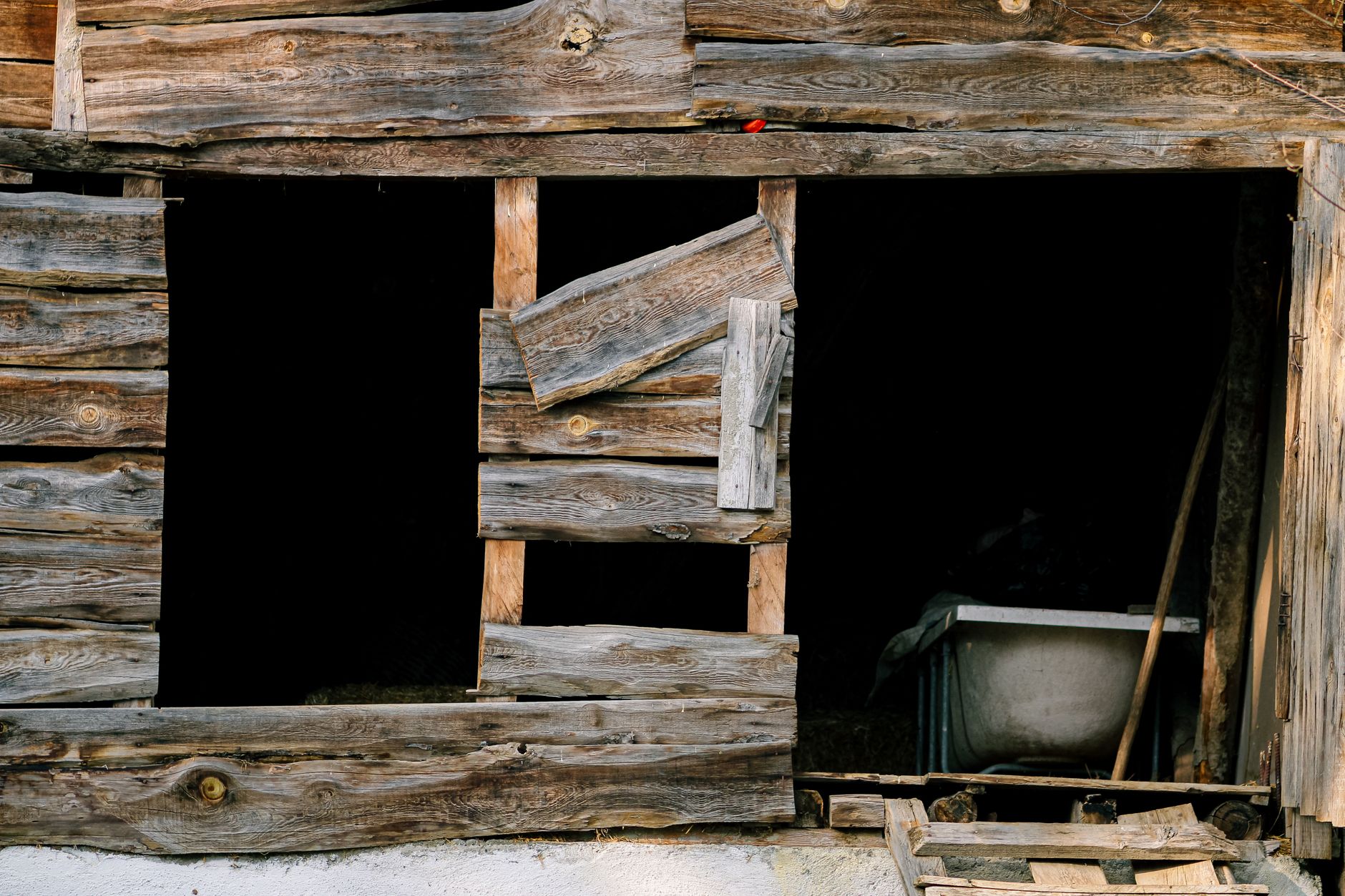
The Useless Barn That Saved a Town
It was a sign. A hand-painted, gold-leaf, twelve-foot wooden sign, the kind that used to hang over a storefront, and the lettering on it, faded but unmistakable, read QUILL HOLLOW MERCANTILE EST 1889. And behind it, leaned and stacked and wrapped in old quilts, was the rest of it. The original brass cash register from the mercantile, with the keys that rang up amounts in a currency of trust. The oak post-office boxes with the little glass windows and the combination dials, the ones from before the federal building, the ones our great-grandparents had checked for letters. The barber pole from Halvard’s shop. The marble soda fountain counter from the drugstore, in pieces, every piece numbered in my father’s pencil. The schoolhouse bell from District 14. The hand-lettered ledgers. The photographs in their frames, hundreds of them, faces from a town that had forgotten it ever looked like that.
My father had not been hoarding junk.
My father had been saving the town.
For forty years, every time something in Quill Hollow closed, every time a building came down or a family left or a business gave up, my father had been there at the dispersal sale, and he had quietly bought back the bones of the place, and he had carried them home and tagged them and tucked them under a tarp where the shame of his junk-collecting daughter would never make him explain himself. He had watched the town die piece by piece, and he had refused, all by himself, in secret, to let any of the pieces leave.
I sat down right there on the cold concrete floor of the barn and I cried in a way I had not cried at the funeral, because at the funeral I had been mourning my father and here I was finally meeting him.
Thelonious Boddiker let me cry. He was a man who understood that some moments are not to be hurried. When I was done, he handed me a clean blue bandana from his coat pocket and he said, “Mrs. Klein, I came here to make you an offer on the contents of this barn. I’m not going to do that.”
“Why not,” I said, half afraid he was about to tell me it was worthless after all.
“Because if I buy it,” he said, “I’ll break it up. That’s my business, I buy collections and I sell them in pieces, a lantern to this fella, a sign to that one, and they go all over the country and they never come back. And I have been sitting here for three hours realizing that this collection should not be broken up. This collection is the only complete record left of a town, gathered by the one man who loved it enough to do it. Break it up and it’s worth a good deal of money. Keep it together and it’s worth something I don’t have a price for. I’m a dealer, ma’am, and I’m telling you not to sell to a dealer. Don’t ever let anybody tell you we don’t have a conscience.”