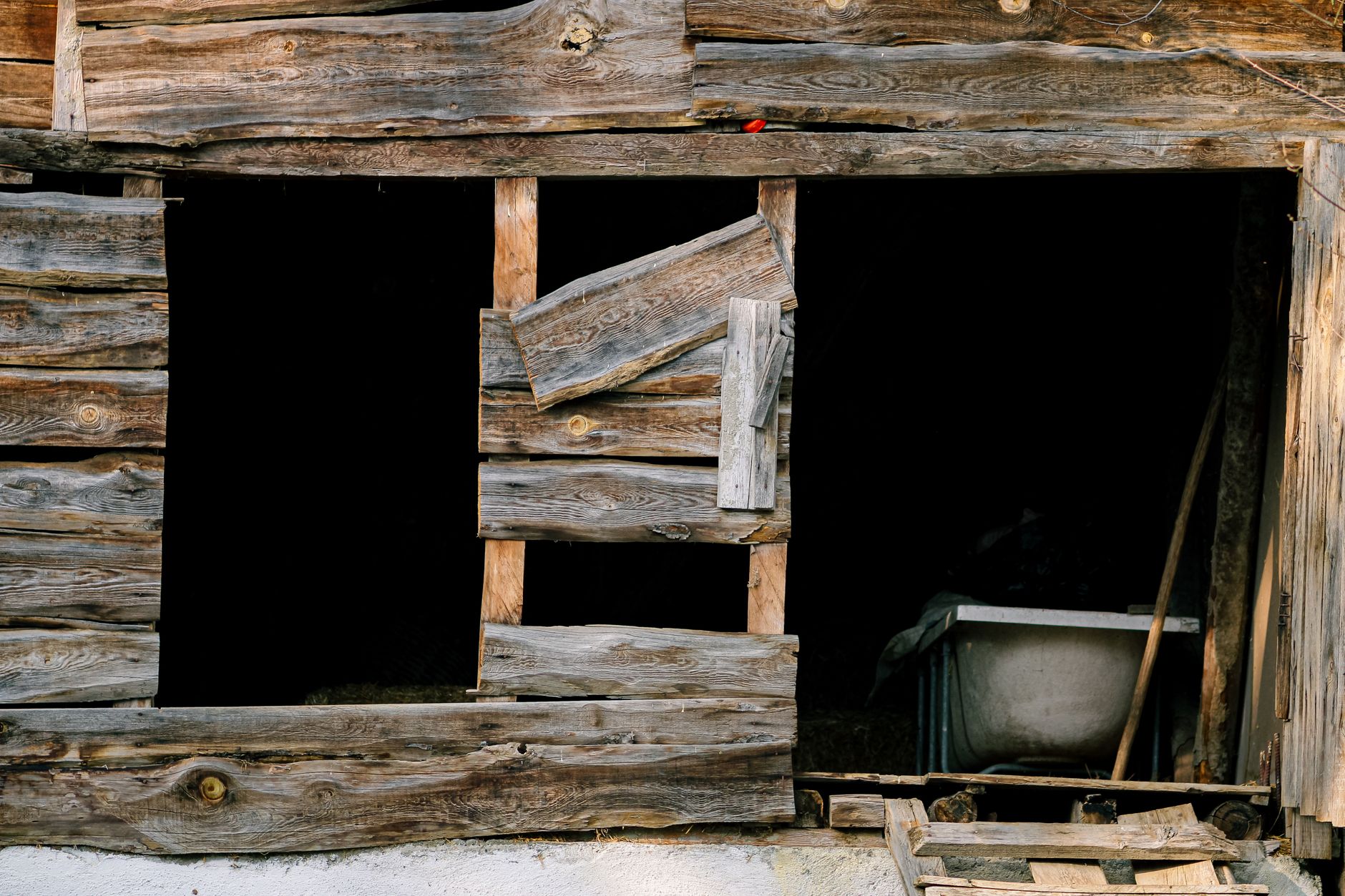
The Useless Barn That Saved a Town
It was not age.
He came and found me where I was sitting on an overturned milk crate by the door, and he took off his glasses, and he said, “Mrs. Klein, I want to be careful how I say this, because I have been doing this for thirty-one years and I have learned not to get excited. But I need to ask you a question, and I need you to answer it honest. Does anyone else know what’s in this barn?”
“It’s junk,” I said. “It’s my dad’s junk. The whole town knows it’s full of junk.”
“It is not junk,” he said. “Not most of it. Your father did not buy junk. Your father bought the one good thing out of every box of junk in three counties for forty years, and he kept the tag on it that says where it came from, and that, Mrs. Klein, that provenance, is worth more than the objects. Do you understand? An old lantern is worth forty dollars. An old lantern with a tag in the original owner’s barn that says it came off the Dietz farm and your father’s note about the man who cried selling it, that is a story, and people pay for stories. You have a building full of documented American history, sorted and labeled by a man with a better eye than half the dealers I know. I have walked through estate auctions of so-called serious collectors that did not hold a candle to this.”
I just looked at him. I think my mouth was open.
“There’s more,” he said, and he sat down on the milk crate next to mine, which put us both at a strange height, two middle-aged-and-older people sitting on dairy equipment in a cold barn. “In the back corner, under a tarp, behind the cabinet doors. Did you know what’s back there?”
“I never went back there,” I admitted. “It was too full.”
“Come look,” he said.
He led me to the back corner I had avoided my whole life because it was the densest, most impassable part of the whole barn. He pulled the tarp off, and Sigrid lifted her camera, and I looked at what my father had been quietly hiding under a canvas sheet for I do not know how many years.