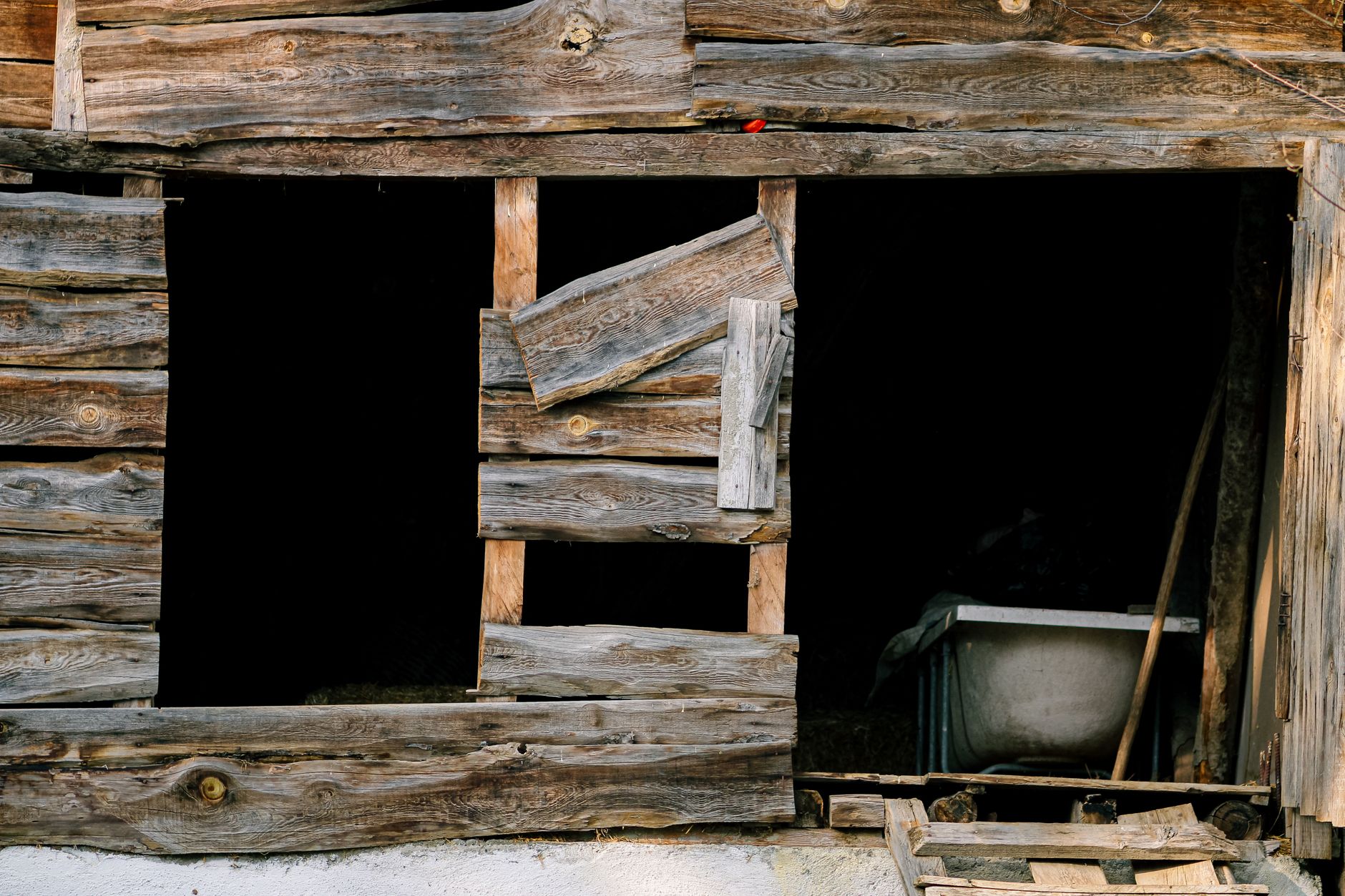
The Useless Barn That Saved a Town
We were down to a hundred and ninety people. I know because I helped take the count. The average age was somewhere north of sixty. The young ones left for Omaha and Lincoln and Denver and did not come back, and I did not blame them, because what was there to come back to? A church we could barely keep heated. A water tower that needed paint nobody could pay for. A Main Street with more plywood in the windows than glass.
I had stayed. I want to be honest that I am not sure it was courage that kept me. I had married a good quiet man named Sorenson Klein, who everybody called Soren, and we ran a hundred and sixty acres and I kept the books for a few of the farms around us, and Quill Hollow was simply where my life was. But I will tell you that by the spring my father turned eighty-three, I had started to feel the town settling down around me like a house with the heat shut off. I had started to do the math on what it would mean to be the last person to lock the church door.
And then my father got sick.
It was his heart, which I found grimly funny in a way I never said out loud, because my father had the biggest one of anybody I ever knew and it was the one part of him I assumed would never quit. The doctor in Hagen County said congestive heart failure and used words like “manage” instead of “cure,” and I started spending my evenings out at the home place, sitting with him on the porch as the light went long and gold over the soybeans.
It was on one of those evenings that he told me what he wanted.
“When I go,” he said, “I don’t want you to dump the barn.”
I had been waiting for this. I had been dreading it. I had already priced out the roll-off containers in my head, already made peace with the three weekends of misery it would take to clear forty years of accumulation. “Dad,” I said, as gently as I could, “I can’t keep it. I can’t run two farms and curate a museum of bottle caps.”
“I’m not asking you to keep it,” he said. “I’m asking you to let somebody see it first.”
“See it? See what? It’s a barn full of stuff, Dad. It’s stuff.”
He was quiet for a while. The cicadas were going in the windbreak. Then he said, “There’s a fella. Comes through every few years. Buys at the big auctions, sells to the picker shows, the magazine people, the city folks who pay money for old. His name is Thelonious Boddiker, and he gave me his card once and said if I ever wanted to sell the whole barn as a lot, to call him. I never called. I didn’t want to sell it. But after I’m gone, you call him. Promise me. Let him walk through it once before you call the dump truck.”