The Useless Barn That Saved a Town
I am not going to pretend it was easy or smooth, because the truth is more interesting than that. We fought about everything. We fought about which empty building should hold what, and whether to charge admission, and whether old Halvard’s barber pole should go back in the actual barber shop or in the front window where tourists could see it from the street. Erling Haugland and a retired electrician named Cassius Pelletier did not speak to each other for a month over the wiring in the mercantile and then made up over a shared mistrust of the county inspector. A woman named Drusilla Aldous, who had taught at District 14 before it closed and who everyone assumed was too frail to do anything, turned out to have kept forty years of the school’s records in her own attic, and she walked into a planning meeting with three boxes of them and a look that dared anybody to underestimate her again.
We restored the buildings ourselves, mostly. The men who had spent their lives building barns and grain bins and machine sheds turned out to know exactly how to rehang a hundred-year-old storefront door. The women who had kept those buildings’ books and counters and kitchens turned out to know exactly how a mercantile was supposed to be laid out, because they remembered. We were not guessing. That is what nobody on the outside understood when the newspaper people finally came. We were not reconstructing a town from photographs. We were the town, putting our own furniture back.
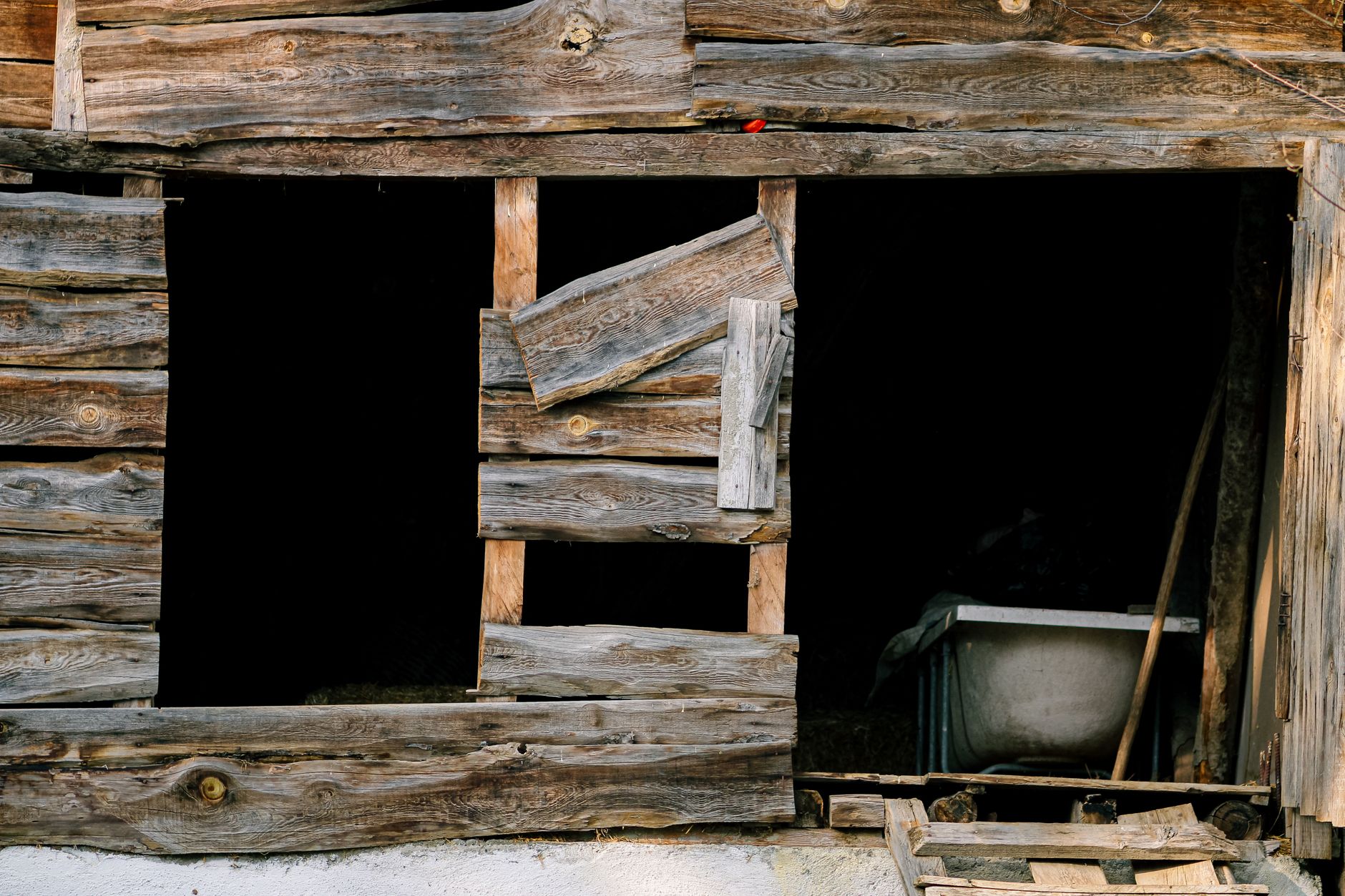
And every single thing came out of my father’s barn, with his pencil tag still tied to it, telling us where it went.
We put the gold-leaf sign back over the mercantile in April, fourteen men and a crane borrowed from the co-op, and when it settled into place and Erling Haugland’s grandson knocked the last bolt home, a hundred and ninety people standing in the street made a sound I have never heard a town that small make.
We opened on the Fourth of July.
I had told everyone to keep their hopes low. I told them we might get a few curious folks from Hagen County. I told them not to be disappointed if it was quiet.
By ten in the morning there were cars parked the length of Main Street and out onto the county road. By noon Lovell Bricker had run the Sunrise Cafe out of pie, all of it, every slice, and was on the phone begging her sister in Aurora to bake more. By the end of that first day, eleven hundred people had walked down a Main Street that six months earlier I had been preparing to lock up for good.
It turned out Thelonious Boddiker had not been dreaming. He had been low.