The Combine Keys at Harvest Supper
His machine shed lights were already on. Arlen was out there in his barn coat greasing the zerks on his combine, moving stiff the way he has since his second knee went bad.
Arlen is sixty-eight. He and Dad traded work for forty years, shared a grain leg one year, fought about the Hawkeyes and the Cyclones every fall like it was church.
His own son farms out by Kearney, Nebraska, and his hired man moved to Minnesota in the spring. He’d asked me twice already that year if I knew anybody who wanted harvest work.
He looked at my pickup and then at me, and he didn’t say a thing for a minute. He wiped his hands on a red shop rag and put the grease gun on the bench.
“I heard,” he said finally. “Ron called me last night. I’m sorry, Mark. That’s a hard thing at a supper table.”
“I need work, Arlen,” I said. “If you still need somebody, I’ll run whatever you’ve got. I can start right now.”
He studied me the way he’d study a heifer he was thinking of keeping. Then he nodded once.
“Twenty-four an hour, same as I’d pay anybody that knows what they’re doing, and you know what you’re doing. We’re into corn. Moisture was 19 yesterday. You can take the combine and I’ll run the cart. My knees thank you.”
So that was my first day working for wages for somebody who wasn’t my father or my father’s wife.
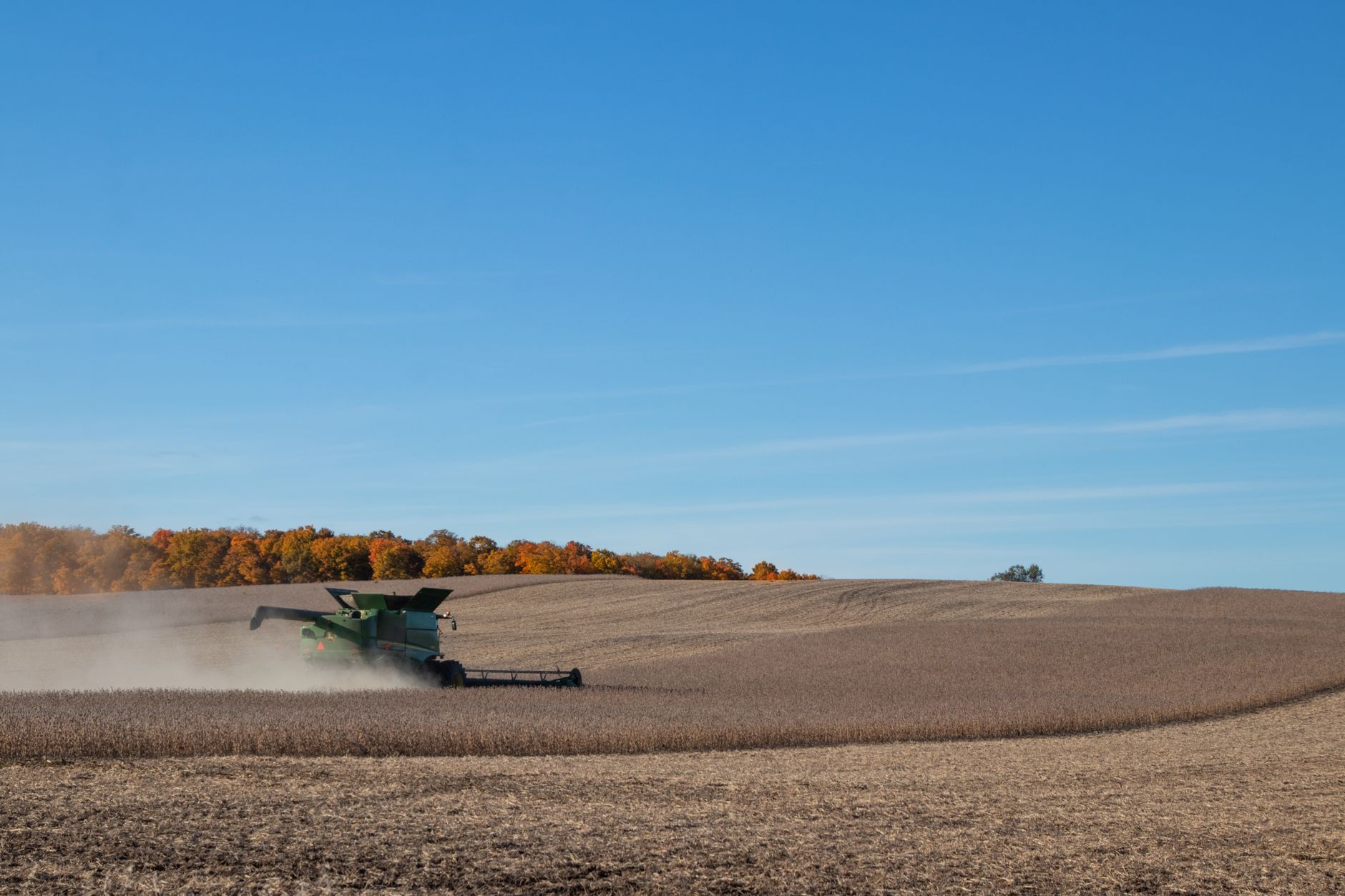
I ran Arlen’s corn all day, a John Deere a few years newer than ours, and every round I made on the west end of his field, I could look over the fence line and see our beans standing on the Ehlers side, brown and ready.
That night Arlen said Marcy wanted me in for supper. I said I didn’t want to impose, and he laughed at me.
“You think you’ve got a choice? She’s had a roast in since noon. Come on in and wash up, you smell like corn dust.”
Marcy Stuckey is the kind of woman who has fed every crew and every funeral and every new baby in that township for forty years.
When I came through the back door she was setting the table, and she had already set a plate for me.
Right next to Arlen. A real plate, the good stoneware, a cloth napkin folded under the fork.
She didn’t ask me a single question. Not one. She just pointed with her pot holder and said, “You’ll want the chair by the window, Mark. Arlen likes to see the yard light, and you’ll like to see the road.”
Then she set down pork chops and sweet corn she’d frozen in August and a pan of scotcheroos.
I sat by that window, and I’ll tell you the truth, I almost couldn’t eat. Not because I was sad, though I was.
It was because somebody had set a plate for me without being asked and without making me earn it, and I hadn’t known how much I needed that until it was in front of me.
After supper Arlen and I sat out on his tailgate in the yard while Marcy did dishes. He had a can of Coke and I had coffee.
Out to the west you could see the home place yard light, one mile off across the stubble, the same yard light I’d been looking at from the other direction my whole life.