The Combine Keys at Harvest Supper
Elaine said it while she was passing the gravy, in the same voice she used to tell us the forecast or that the pie was rhubarb this year.
“I drove over to Primghar today and signed a new will,” she said. “The land goes to Brad and Kyle. I thought you all should hear it from me.”
Nobody at that table chewed. Ron had a forkful of roast beef halfway up and he just held it there. Deb looked at her plate, and her daughter Katie looked at Deb.
Steve and his wife Jill looked at each other, and then both of them looked at me, because there was nobody else at that table it was about.
It was a Tuesday in the second week of October, harvest supper at the home place, the way it had been every fall since before I could see over the table.
A long farmhouse table with both leaves in, a flowered cloth Elaine ironed every fall, roast beef and mashed potatoes and green beans out of the garden, and a pan of bars waiting on the counter for after.
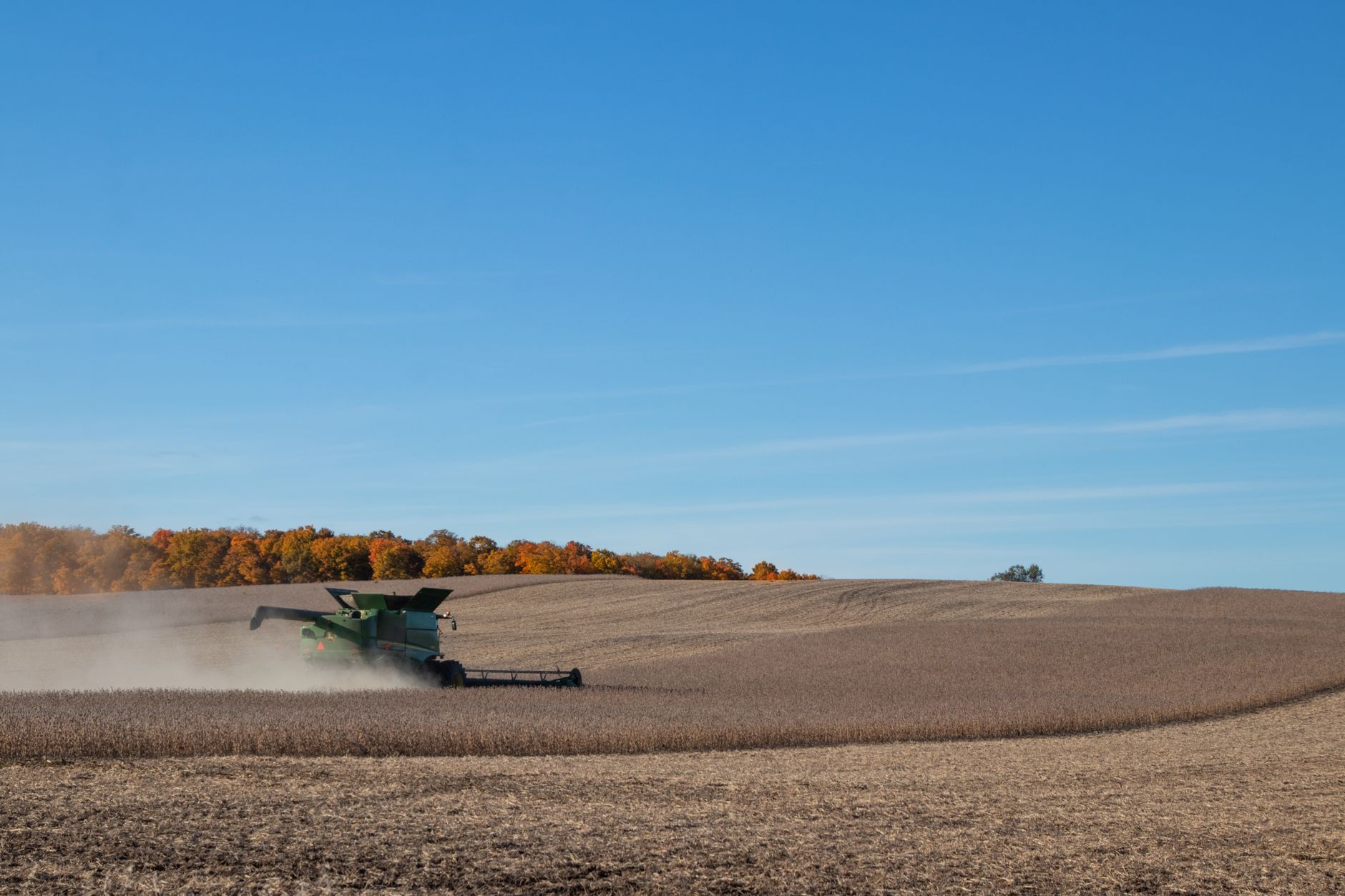
Through the dining room window I could see the combine sitting out at the edge of the field where I’d left it, the work lights still on and the bean head still on, the sky gone dusky blue behind it.
We had 140 acres of beans in the bin and 160 still standing, and I’d meant to go back out and run until the dew came down.
That was why I still had my canvas work coat on at the table.
I want to tell this straight, so I’ll tell it from the start of that minute. I did not yell. I have never yelled at Elaine in fourteen years, and I didn’t start that night.
I wiped my mouth and set my napkin down, and I sat there long enough for her to know I’d heard.
“Every acre?” I asked. It came out quieter than I meant it to. “The home place too, Elaine? The quarter by the creek that Grandpa broke out? The ground Dad and I tiled the summer I came home?”
She did not look away from me, I’ll give her that. Elaine has a silver bob she keeps short and neat, and she had on the heavy blue sweater she always wore to harvest supper. Her plate sat bare in front of her, because she never filled it until everyone else was served.
She sat at the plain oak end of the table where Dad used to sit. She’d moved there the first fall after he died, and none of us ever said a word about it.
“Every acre,” she said. “Your dad left it all to me, Mark. You know that. It’s mine to leave, and I’ve made up my mind. The boys are my sons. I want them to have something of mine.”
Brad and Kyle are her two boys from her first marriage. They are both in their forties now and both live in Phoenix, Brad in commercial heating and air, Kyle in something at a bank I never did understand.
I have nothing against either of them. I would not know them if they walked into the co-op in Sanborn.
They had not set foot on the place since Dad’s funeral, and before that, it was a Christmas here and there.