The Wages I Counted at His Table
Between the Roast and the Pie
So there we were Sunday, the roast steaming and the fans going and the first white envelope sitting by the platter and Daddy with his fork down.
“It’s payday,” I said again. “For the boys. I always settle the crew when the last check clears, and it cleared Friday. I figured, everybody’s here, no sense making them drive out to my place. I’ll do it right here if nobody minds.”
Nobody said a word. My sister Dana had her baby on her hip and she went still. My brother-in-law quit chewing. Daddy looked at me, and then he looked at the three boys across from him, scrubbed and holding their caps, and something moved behind his face that I could not read.
I picked up the first envelope. “Cole,” I said.
Cole half stood up out of his chair, not sure if he should. I waved him down. I had the cash counted out already but I counted it again out loud, the way I do so a man can hear every bill land, because money you cannot hear being counted is money a man wonders about later.
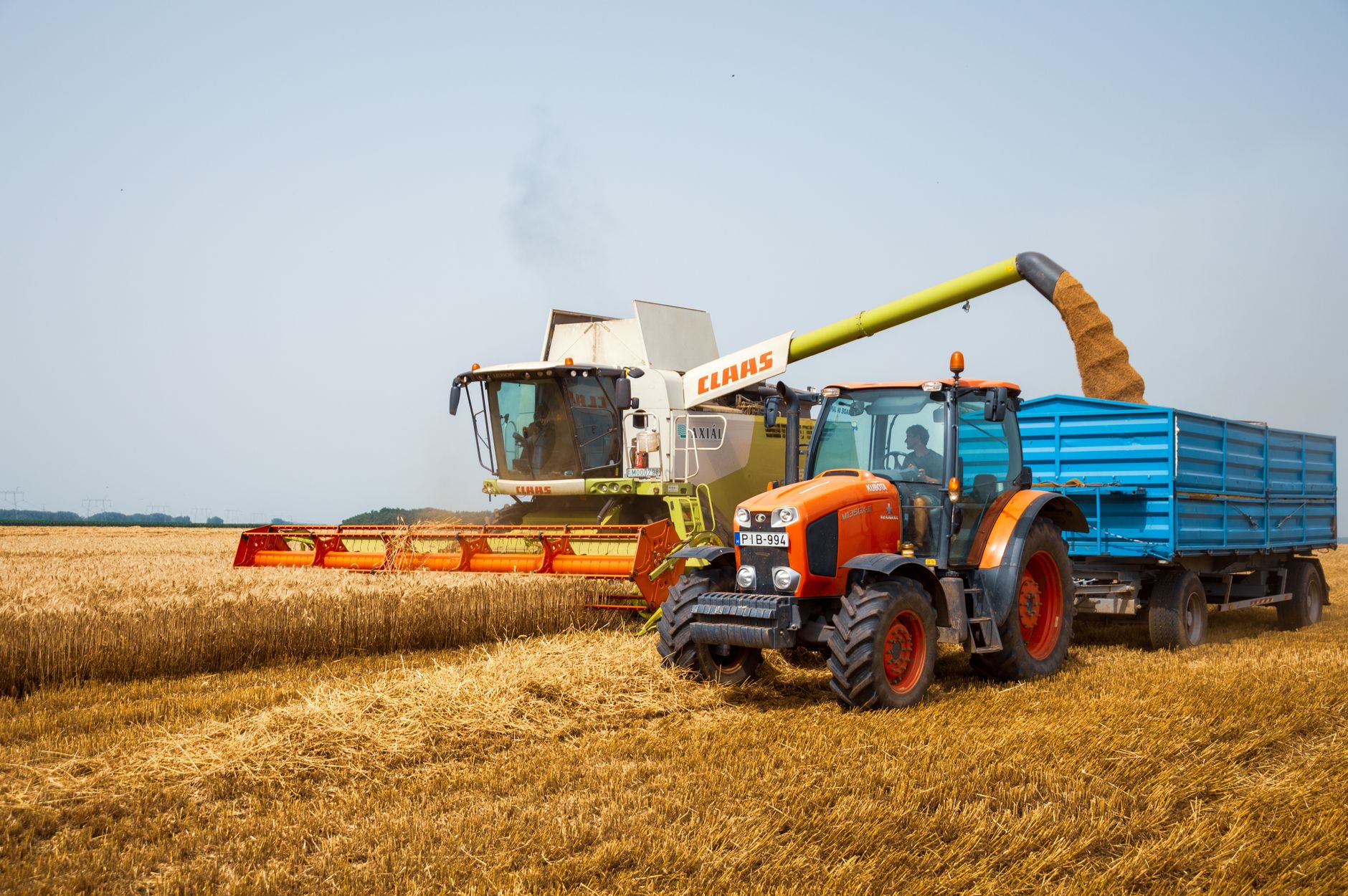
“Cole run the second combine the whole run,” I said, to the table as much as to him. “Forty-one days. That’s six thousand even.” I laid the hundreds in his hand one at a time, sixty of them, and the hundred in twenties on top. “Thank you, Cole. You cut straighter than I did half the time.”
Cole’s ears were red clear to the tips. “Thank you, Garrett,” he said, and folded the money away quick like it embarrassed him to have it seen, which it did.
“Dillon.”
Dillon took his standing up because he could not make himself sit for it. Grain cart and a truck, thirty-eight days, five thousand four hundred. I counted it into his hand and he said thank you twice and sat down hard.
Then I picked up the last envelope, and it was thinner than the other two, and I said, “Bridger.”