The Wages I Counted at His Table
Cutting Daddys Wheat
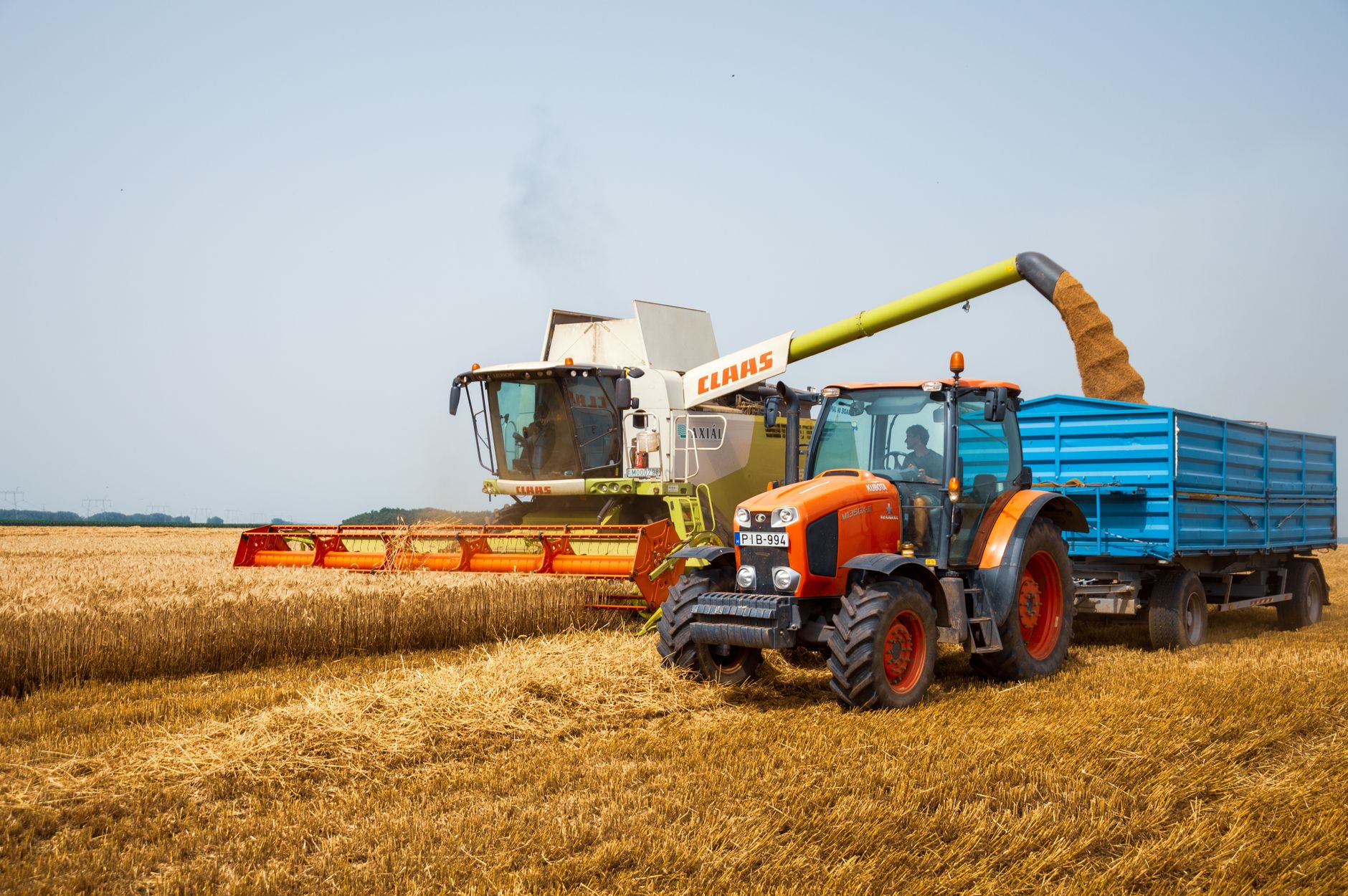
We cut Daddy’s nine hundred acres over four days at the end of the run, and it was good wheat.
The home place made better than I figured, right at forty-two bushels to the acre, test weight sixty pounds, moisture eleven and a half, clean grain with hardly any dockage. The bottom ground made a little less on account of some cheat and a wet corner, but it averaged out fine. We hauled it into the co-op elevator in town, eleven miles each way, truckload after truckload, and I kept every scale ticket in the glove box banded with a rubber band like I always do.
We started before the dew burned off was not an option, so most mornings we sat in the trucks till ten or eleven waiting on the moisture to come down, then cut hard till past dark. You learn to read the grain with your teeth. You bite a kernel, and if it cracks clean and sharp it is ready, and if it dents it is not. I had the moisture tester in the cab but I trusted my teeth as much as the machine, same as my granddad did. The green combines ran steady all four days except for one plugged concave in the wet corner of the bottom, and Cole had it cleared and running again in forty minutes flat without being told.
Bridger near about wore himself out those four days. He was seventeen and trying to prove he was a man, and he would not quit before the older boys did. The second night I found him asleep sitting up in the truck cab with a half-ate sandwich in his hand, waiting his turn under the auger. I let him sleep ten minutes before I tapped the glass.
His daddy, Merle, got hurt two winters back when a round bale came off the spike and took his leg out from under him. Merle gets around now but he cannot farm, and the family has been scraping. Bridger’s wages that summer were not spending money. They were the electric bill and his sister’s braces and tires for the car that got his mama to her job in town. He never said so. A neighbor woman told Megan, and Megan told me, and I made sure that boy got every hour he worked and then some.
On the last evening, when the final truck pulled out of Daddy’s bottom field and the dust hung pink in the headlights, Daddy came out to where I was greasing the header for the trailer. He stood with his hands in his pockets and looked at the clean-cut stubble.
“That’s a job,” he said. For Daddy that is a standing ovation.
“Boys worked hard,” I said.
“They did.” He toed a clod. “You’ll have your bill figured.”
“I’ll bring it by,” I said. “Nothing to rush. You know I’m good to carry a man till the wheat check comes.”
He nodded and walked back to the house, and I thought everything in the world was square between us.