The Wages I Counted at His Table
Nine Hundred Acres
To tell it right I have to back up to the end of June, when the wheat came ready all at once the way it does.
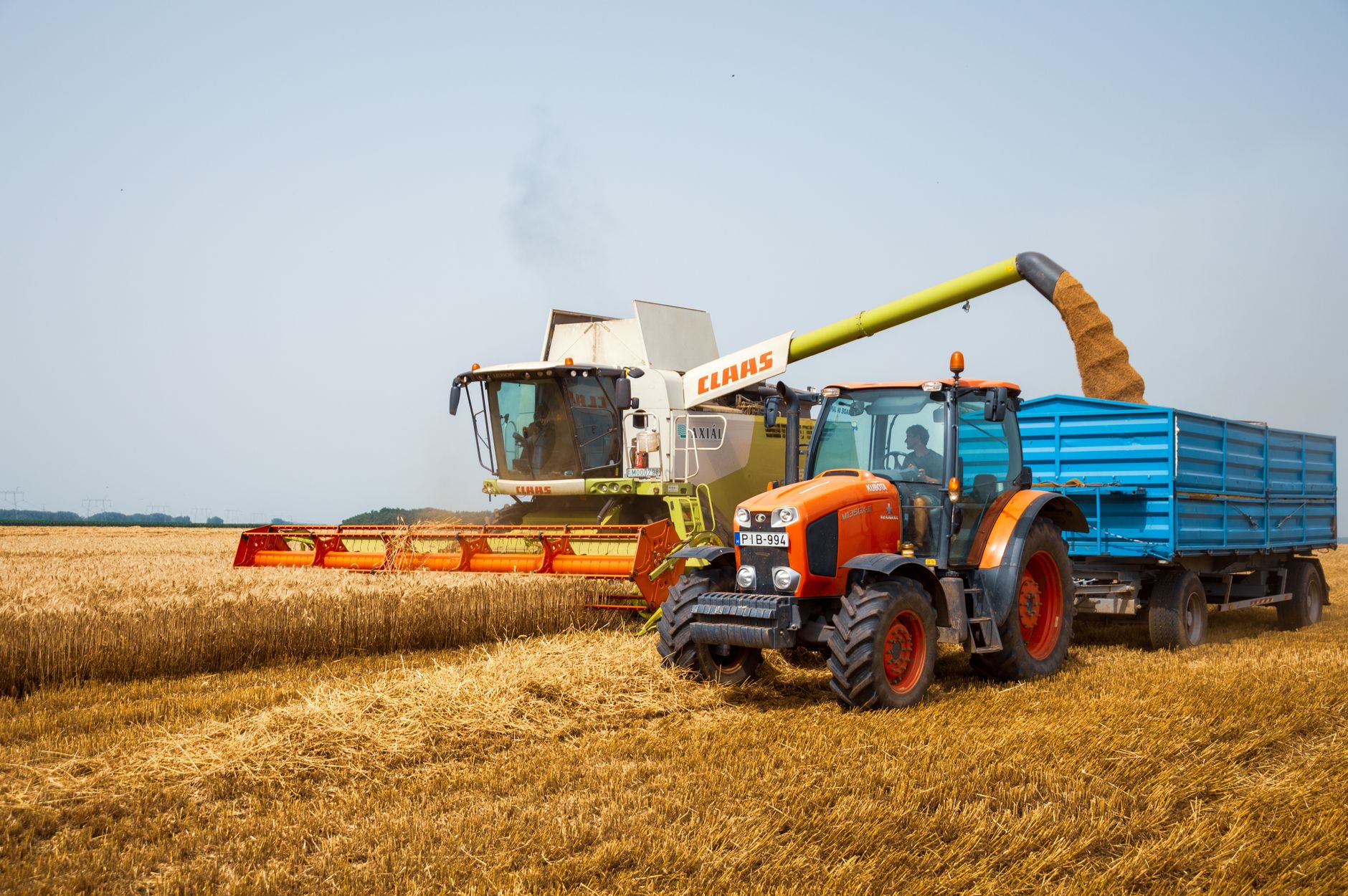
Central Kansas wheat does not wait on you. It gets to where the heads hang and the kernel goes hard and the moisture drops down under thirteen, and then every farmer in the county wants the same four dry days you do. I run a custom crew. Two combines, a green 9770 and the old 9600 I keep patched together, a thirty-foot header, a Brent grain cart, and two hopper trucks older than Dillon. I hire out to farmers who do not own iron of their own, and I run from the first field that turns in late June until the last one is in the bin, usually around the Fourth or a little after.
Daddy farms the home place and leases another half section down in the river bottom. He sold his own combine four years ago when the heart doctor told him to slow down and the banker told him the same thing in different words. Since then he has hired his wheat cut. Two years he hired a crew out of Oklahoma that came through. Last year and this year he hired me.
It was Daddy himself who called me in May. “You cutting again this summer,” he said, which is how he asks a question.
“I am,” I said.
“Put me on your list. Nine hundred acres, give or take, counting the bottom ground.”
“I’ll do her,” I said. “Same as last year. Thirty-two an acre to cut, twenty cents a bushel on anything over twenty, and the hauling to the elevator figured by the loaded mile. That work for you.”
There was a little pause on the line. “We’ll settle up,” he said. “We always do.”
I should have heard it then. We always do is not yes. But he is my father, and a man does not cross-examine his own father over the telephone in May. I wrote him on the list between the Hoffman place and the Kaufmans, and I did not think another thing about it.