The Wages I Counted at His Table
Family Helps Family
I brought the bill by that Thursday, a week after the run ended, written out neat on a sheet off the tablet Megan keeps for the business.
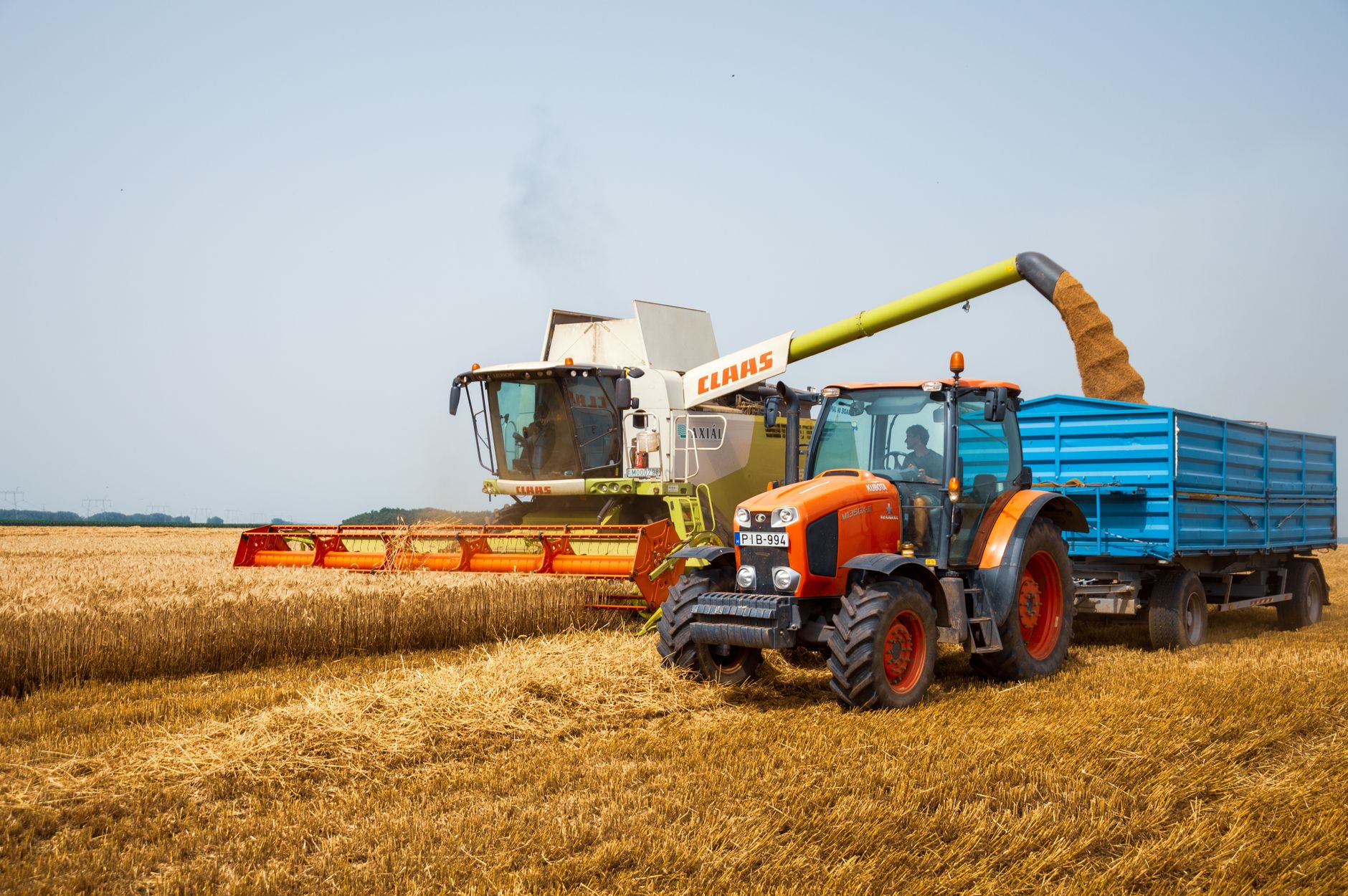
Nine hundred and four acres cut at thirty-two dollars, that was twenty-eight thousand nine hundred twenty-eight. The bushel overage figured to thirty-nine hundred and some, and the hauling by the loaded mile came to just over twenty-one hundred. I had it all penciled with the scale tickets stapled behind so he could check every load himself. The whole thing came to a hair under thirty-five thousand dollars. It was an honest bill for an honest job, the same rate I charged the Hoffmans and the Kaufmans and every other soul on the list.
Daddy read it at the kitchen table with his glasses down on his nose. He read it twice. Then he set it down and took the glasses off and rubbed his eyes.
“That’s a lot of money, Garrett.”
“It’s the rate we shook on,” I said. “Same as the elevator charged the fella next to me. I didn’t pad it a dime.”
“I know you didn’t.” He folded the paper in half. “But we’re family. Family helps family. Your granddad and your uncles, we never once sent a bill around amongst ourselves. You cut for your own blood, you don’t charge your own blood the going rate like he’s a stranger off the highway.”
I kept my voice level. “Daddy, you called me in May and hired a job at a price. I turned down ground to fit you in. I paid for the diesel out of my pocket and I paid my boys out of my pocket, and they are not your blood, they are mine to pay.”
“Then that’s between you and them,” he said. “I never hired your boys. I hired my son to come help his daddy with the harvest, and I’ll help you right back come fall when you need a hand. That’s how it’s always been.”
“That’s not how I run a crew.”
“Well,” he said, and he slid the folded bill back across the table to me, “then I reckon we see it different.” He did not raise his voice either. He just handed me back my own bill like it was a flyer for a sale he was not going to.
I sat there a second. I could have hollered. I wanted to. But I have watched hollering between grown men in this family my whole life and it never once moved a dollar or healed a thing. So I picked up the bill, folded it into my shirt pocket, and told him I would see him Sunday.
I drove home and told Megan, and she did not holler either. She got quiet the way she does when she is thinking three moves ahead, and after supper she said, “The boys are still owed their settle-up.”
“They are,” I said. “Every nickel.”
“When do you usually pay the end of the run.”
“Cash, soon as the last elevator check clears. Usually at my kitchen table. I like to put it in their hand.”
She looked at me a long minute. “Then put it in their hand,” she said. “Where it’ll do the most good.”