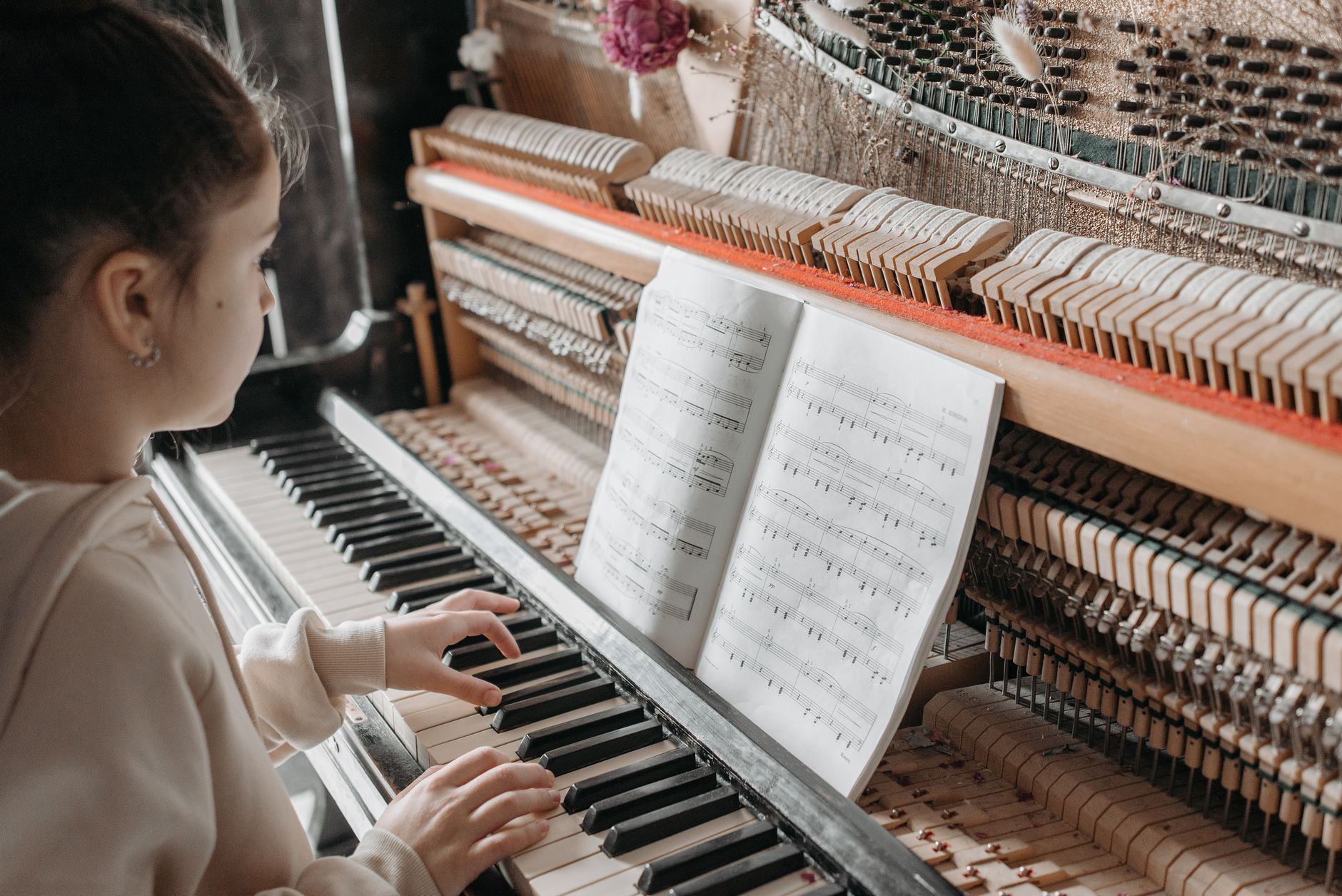
The Piano Teacher Who Would Not Quit
He is not a monster. I have said that and I meant it. But a man can feel the whole town’s eyes on the back of his neck, and Boyd felt them.
The deal was the thing that fell through, and it fell through because of the town, not because of me.
The city had to approve Haskell’s plan, and it came up at a council meeting in the Carnegie building, in a room down the hall from where I was teaching Dani her first real hymn.
And the town came. They filled the chairs and they lined the walls, farmers and teachers and the diner owner and three generations of children I had taught, and one after another they stood up and said this is our downtown and we are not for sale.
Nobody made a speech about me. It was not about me. It was about a town that had watched its children carry their music down the street and had decided, all at once and without a meeting to plan it, that it liked what it was better than what a stranger wanted to make it.
Haskell’s company pulled the offer. There was no money in a block that did not want them. He folded up his tablet and drove back to the city.
Boyd’s empty room
Boyd was left holding a building with a tripled rent and no tenant and no buyer.
My old room sat dark through the winter, the card still in the window, two hundred dollars of rent he had thrown away chasing six, and above it the empty apartments and below it the sidewalk where the children no longer passed.
I did not say a word to him. I did not have to. An empty room on a main street says everything, every day, to the man who emptied it.
In February he came into the library. I did not see him come in. I was turned toward the piano with my hand over Dani’s, guiding her through the hard part of “In the Garden,” and the room was full of waiting children.
When the piece was done I turned, and he was standing in the back by the newspapers, holding his hat.
He did not say much. He is not a man who says much. He said, “I heard you landed on your feet.”
“I did,” I said.
He looked at the children, and at Renee’s coffee can on top of the piano, and at Miss Ann shelving returns like she had no interest in us at all though she heard every word.
“The room’s yours again if you want it,” he said. “Back to two hundred. I was wrong to do what I did.”
And I will tell you what I felt, and it was not triumph. It was tired, and it was kind, because Ruth is right that a grudge is poison and I am too old to drink it.
“That’s a decent thing to offer, Mr. Boyd,” I said. “And I thank you for it. But I believe we’ll stay. The children like the books, and there’s a can here that feeds the ones who can’t pay, and I don’t think I could set that back up in a rented room.”
He nodded slow. He understood. He put his hat back on.
“You were always a good tenant, Frances,” he said.
“You were mostly a fair landlord,” I said, “for thirty-eight years. That counts more than one bad November.”
And that was the chance I gave him to make it right, and he took as much of it as a proud man can take, and we left it there.