The Piano Teacher Who Would Not Quit
The coffee can
The coffee can was Renee’s idea, which still gets me when I think about it, because it came from the one mother who had the least to give.
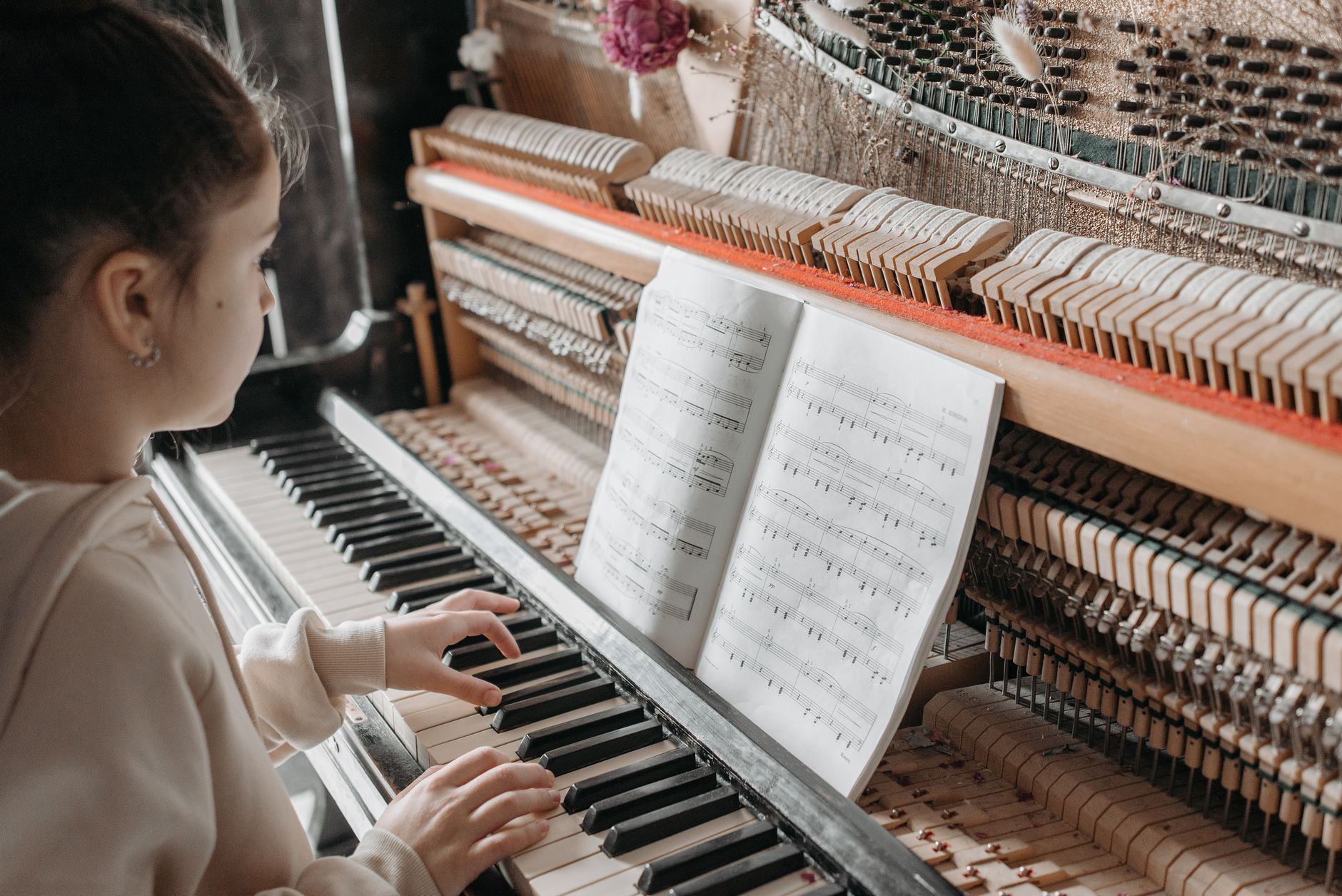
She came the second week with an empty Folgers can she had washed out, and she cut a slot in the plastic lid with a kitchen knife, and she set it on top of the piano.
“For the ones who can,” she said. “Not a price. Just a can. If you’ve got it, you leave it, and it goes for sheet music and whatever Miss Frances needs. If you haven’t, you don’t, and nobody’s counting.”
And here is the thing about a coffee can on a piano in a small town. Nobody is counting, and everybody is giving.
The banker’s wife folded twenties into it. The grain elevator man left what he could. One Tuesday I found a child’s offering in there, four quarters and a note in crayon that said thank you for the music.
By Christmas there was enough in that can to buy new lesson books for every child and a real tuning for the upright and a set of risers for the June recital.
I never once asked anyone for a dime, and I never charged a child a dime, and we had more than my old room ever gave me.
Because it turned out the whole town had been wanting a way to be part of something, and nobody had ever set out a can before.
An old farmer I had never taught stopped me at the feed store and pressed a folded bill into my hand and said his wife had played, years back, and he liked knowing a piano was going again downtown.
That is how a small town works, if you let it. It does not want to be charming. It wants to be useful to its own.
What the block saw
Now here is the part that answers for Mr. Boyd, and I want to tell it fair, because Ruth from my Sunday school class will read this and she does not abide gloating.
The children had to carry their own lesson books back and forth those first weeks, because I had not moved the shelf yet.
So every Tuesday and Thursday, right about three thirty, a line of children went up Second Street carrying hymnbooks and lesson books against their chests, two blocks, from my old dark window to the library steps.
And the whole block watched them go.
Haskell watched, standing on the corner with his clipboard, because you cannot photograph a charming authentic small town while its children are walking away from your hotel site carrying hymnbooks.
The diner watched through its front glass. The ladies at the quilt shop watched. And Boyd watched, from behind the counter of his hardware store, as a line of children carried their music past his window every week because he had tripled an old woman’s rent.