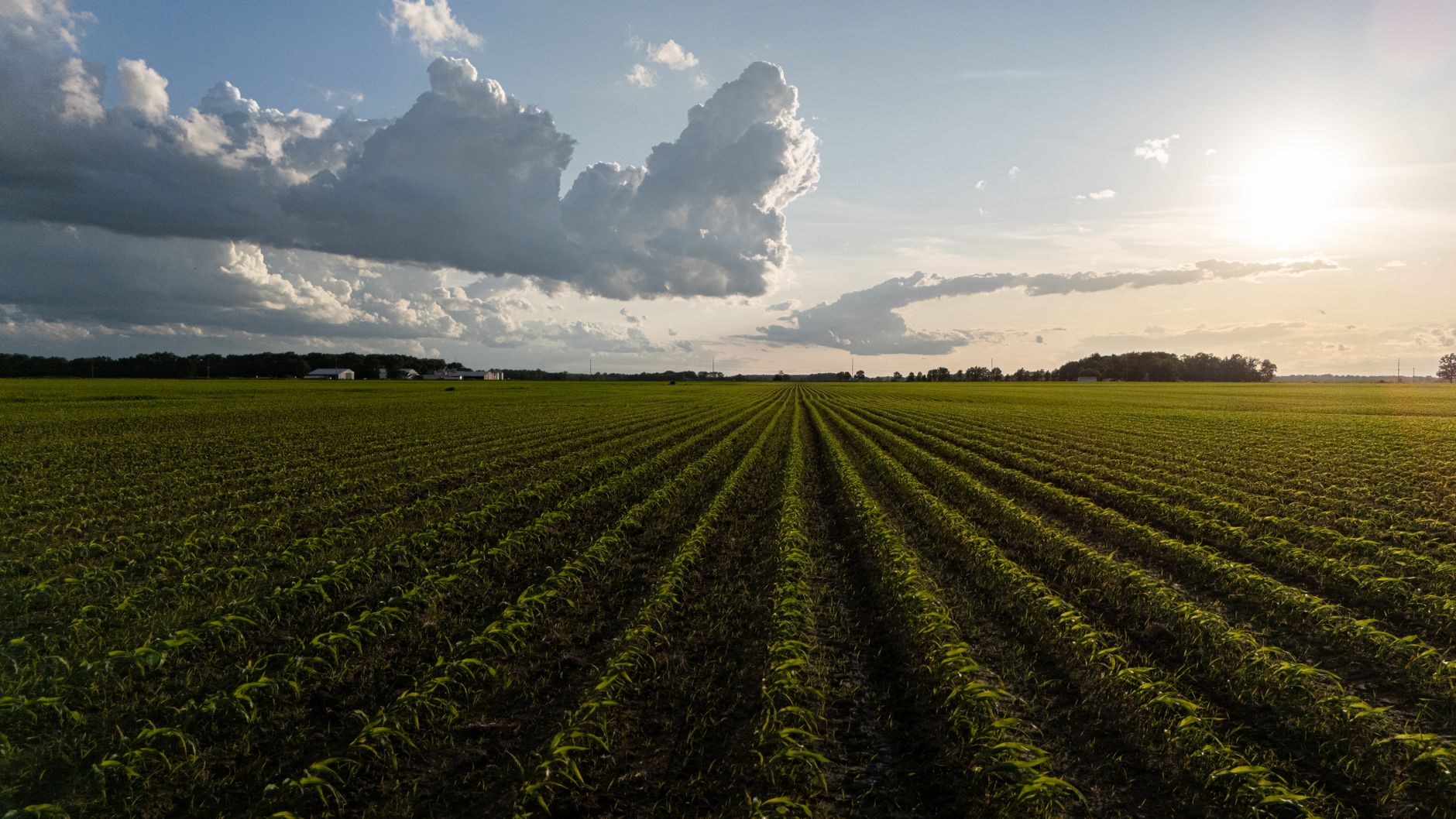
The Acre My Father Never Sold
The line
“So why are you here, Merle?” I asked him. I did not say it mean. I just needed to know.
He did not answer right away. He looked at his sack, sitting on the deck.
“Darlene went into the home in Kearney two years ago,” he said. “You knew that.”
“I knew that.”
“Do you know what it costs?”
I did not.
“Everything,” Merle said. “It costs everything. I sold the cows. I farm half what I used to. I’ve got Social Security and what’s left. And two summers ago I was standing in the grocery store looking at sweet corn at six for five dollars, and I put it back.”
“Your dad was behind me in line. He didn’t say a word. The next morning there was a sack of corn on my porch, and every morning after, right through September.”
“Then this June he came over and told me he wasn’t getting any younger. If anything happened to him, I was to come out here and make sure they got it. ‘Make sure it gets picked, Merle.'”
He looked down the rows at the families.
“And this year you offered the three hundred again. At the funeral lunch. Amber told me.”
“I offered it so you’d say no,” Merle said. “I figured if I asked, you’d think about it. And if you thought about it, maybe you’d come out here and see.”
He reached over and put one big hand on my knee, the way my father used to.
“I’m sorry it took a shredder, son.”
What I did
I sat there on the step of the tractor for a while longer. The sun had cleared the mist by then, and the whole acre was gold and green, the late rows still tight and the early rows hanging heavy.
Ana came up the row carrying a board that had not been there the day before. She stopped in front of me and handed it over without a word.
It was an old piece of plywood, gray from the weather, hand-painted in white, in letters I knew as well as my own name.
“It’s from last year,” she said. “He put out a new one every summer. When he took last year’s down, I asked him if I could keep it, and he said I could. It’s been in my closet.”
“There wasn’t one this year,” she said. “So I brought it. So people would know it was still okay.”
I could not answer her. I nodded, the way I had nodded at her mother the first morning, because nothing else would come.
The sign said: “Help yourself. It’s for you.” Under it, smaller: “Leave the thin ones to fill.”
That was all. No name. No church. No Dale.
I went back to the tractor. I climbed up onto the platform and shut it off all the way. Then I climbed back down and walked around behind it and pulled the pins on the shredder.
Merle watched me. He did not say anything. He got up off the deck and stepped back and let me work.
I unhooked the shaft. I cranked the jack down and pulled the hitch pin, and I drove the tractor forward ten feet and left that shredder sitting there in the grass by the road with nothing hooked to it.
When I turned around, the families had stopped picking. All of them were standing in the rows, looking at me. Gloria had one hand over her mouth.
“Go on,” I said. “Pick it. It’s yours.”
Nobody moved for a second. Then an older man somewhere in the middle of the rows said, “Amen,” not loud, the way you say it in church when the preacher says something true. And everybody went back to picking.