The Acre My Father Never Sold
The acre nobody understood
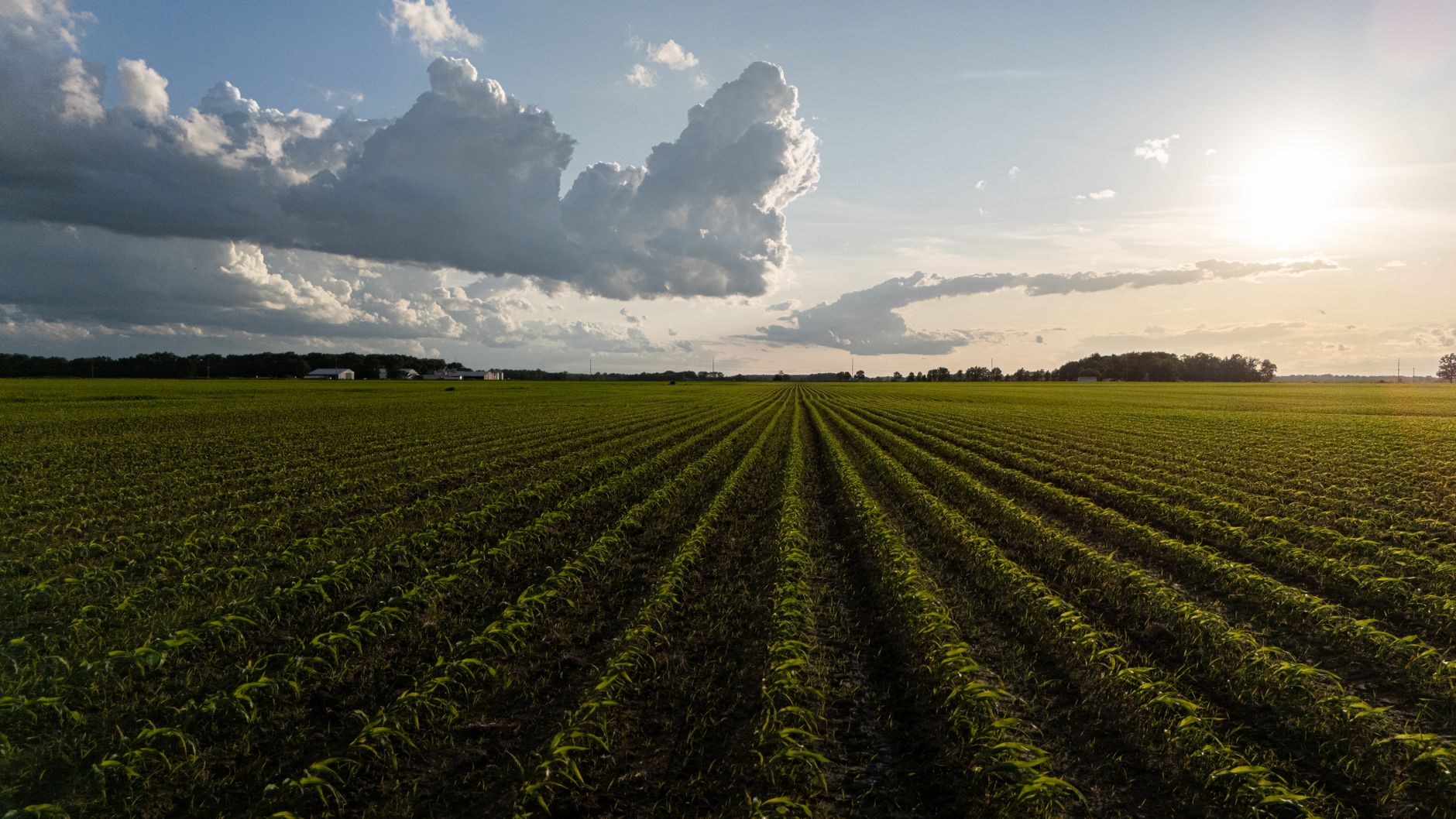
Dad started it the spring I turned eighteen. I remember because it was the year I graduated, and I was mad that he spent a Saturday in May hand-planting sweet corn with the little garden planter instead of coming to the senior picnic at the lake.
“What’s it for?” I asked him that June, when it was knee high.
“It’s for eating,” he said.
“Who’s eating it? We’re not.”
He looked at me over the top of his glasses, the way he did when he was done talking. “That’s none of your business, Luke.”
That was the only answer I ever got. I asked once, plain, and I got told it was none of my business, and I was eighteen and proud and I never asked again. I just complained about it instead, for seventeen years.
He planted it in four rounds, two weeks apart, starting in late April. That way the first rows came on in mid-July and the last ones were still filling out after Labor Day. He kept a little spiral notebook about it that I never once opened.
The irrigated ground along the river rents high. Merle Vos, who farms the place west of us, offered Dad three hundred dollars a year for that acre so he could square up his field with it. Every fall Merle offered. Every fall Dad said no.
And every Thanksgiving, at my mother’s table and later at mine, I brought it up.
“Three hundred dollars, Dad. Every year. Add it up. That’s thousands of dollars of rent you’ve thrown in the road ditch.”
“Pass the potatoes, Luke.”
“I’m just saying it’s the most expensive acre in the county.”
“I heard you the first sixteen times.”
My mother would laugh. Amber would kick me under the table. My son, when he got big enough to sit at the table, would ask what an acre was. And Dad would eat his pie and say nothing at all.
What I did not know was who came for it, or when. Because they came at first light, every morning, and by first light in August I was always out on the river ground checking pivots. I was never once on that road at that hour. Not in seventeen years.
The week after
Dad had his heart attack on a Tuesday in the second week of August. He was sixty-six. He had walked out to the shop after supper to grease the combine, and my neighbor found him there when he came by about a borrowed chain.
They flew him to Kearney. He lived until the next morning. I sat by the bed and held his hand, and he never woke up, and I never got to ask him one more thing.
We buried him on Saturday out at the country cemetery next to my mother. The church ladies did the lunch in the basement, ham sandwiches and three kinds of bars, and everybody said he was a good man, and I said thank you so many times the words stopped meaning anything.
Then the bills started coming.
Amber is a teller at the bank in town. She is the one in our house who knows where every dollar is, and she is good at it, and that week she sat at the kitchen table every night with the envelopes.
The funeral home. The flight. The hospital. What Medicare did not pick up. Dad never did buy a supplement policy. He said they were robbery. It came to thirteen thousand nine hundred dollars between all of it.
“We’ll get through it,” she said. “But I want you to call Merle.”
“About what?”
“About the acre, Luke. He’s asked for seventeen years. Three hundred a year isn’t going to fix this, but it’s three hundred we don’t have to find somewhere else.”
I did not argue with her. How could I? I had been making the same argument at every Thanksgiving since I was eighteen. She had only been listening.
“You’re right,” I said. “I’ll shred it this week. Then it’s clean for him in the spring.”
She reached across the table and put her hand on my arm. “I’m sorry. I know it was his.”
“It was his foolishness,” I said. “That’s all it was.”
I want you to remember that I said that. I have had to remember it.