The Acre My Father Never Sold
I hitched the shredder in the dark, by the yard light, with my hands still smelling like the funeral home’s soap from a week before. That smell does not wash out. Nobody tells you that.
It was a rotary stalk shredder, the old ten-foot one, the one we use on the cornstalks after harvest. I backed the old green tractor up to it, dropped the pins, hooked up the shaft and lowered the jack.
I had told myself it would take forty minutes. One acre. Up the rows and back, and by the time the sun was full up it would be stubble, and nobody would have to talk about it again.
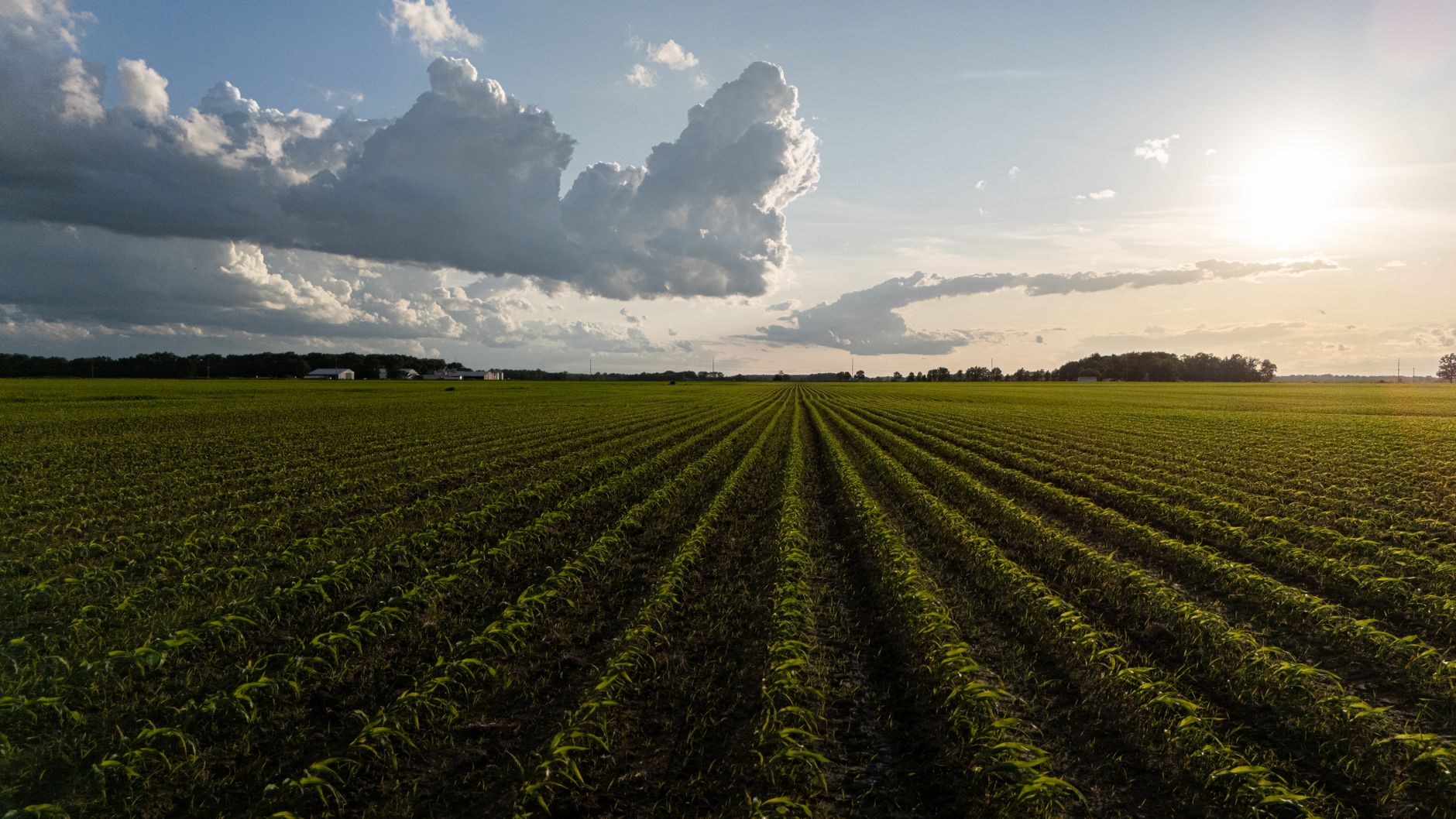
That acre sat at the north end of our home quarter, right along the gravel county road. Dad had planted it in sweet corn every spring for seventeen years, and every year it stood there all summer like a question nobody was allowed to ask.
He never sold an ear of it. He never put up a stand or a sign with a price on it. He never let my mother, God rest her, or my wife, or me, so much as pick a dozen for supper.
“There’s corn at the store,” he would say. “Leave that one be.”
I drove the tractor out the lane with the shredder riding up behind me. The mist was lying low over all the fields, the way it does along the Platte in late August, thick at the ditches and thin at the tops of the beans.
The sun was just coming. Low and gold, under the mist, so everything looked like it was lit from the side. I remember thinking Dad would have liked that light. Then I made myself stop thinking it.
I turned onto the county road and saw the pickups.
Five of them, maybe more coming, parked along the shoulder by the corn. Old trucks, every one. Rust at the wheel wells, tailgates that had to be lifted just so, the kind of trucks people keep running because they have to.
They were getting out quietly, the way you get out at a graveside. Grown women and men, a couple of teenagers, a little boy holding his mother’s sleeve. They had buckets. They had brown paper grocery sacks in their hands.
They were walking toward Dad’s corn.
I pulled the tractor off onto the field approach and shut the throttle down to idle. I sat there a minute with my hands on the wheel. Then I climbed down and stood by the back tire, because I did not know what else to do with myself.
I was thirty-five years old. I farmed nine hundred acres with my father, or I had until the second week of August. I had a seed cap on my head so sweat-stained it was more salt than green, a gray T-shirt, and my work jeans. I looked like what I was.