The Haircuts I Gave at the Nursing Home
The right side of his mouth would not work, but the left side did. He said, “Well, now.”
It took me twenty minutes. I did not hurry.
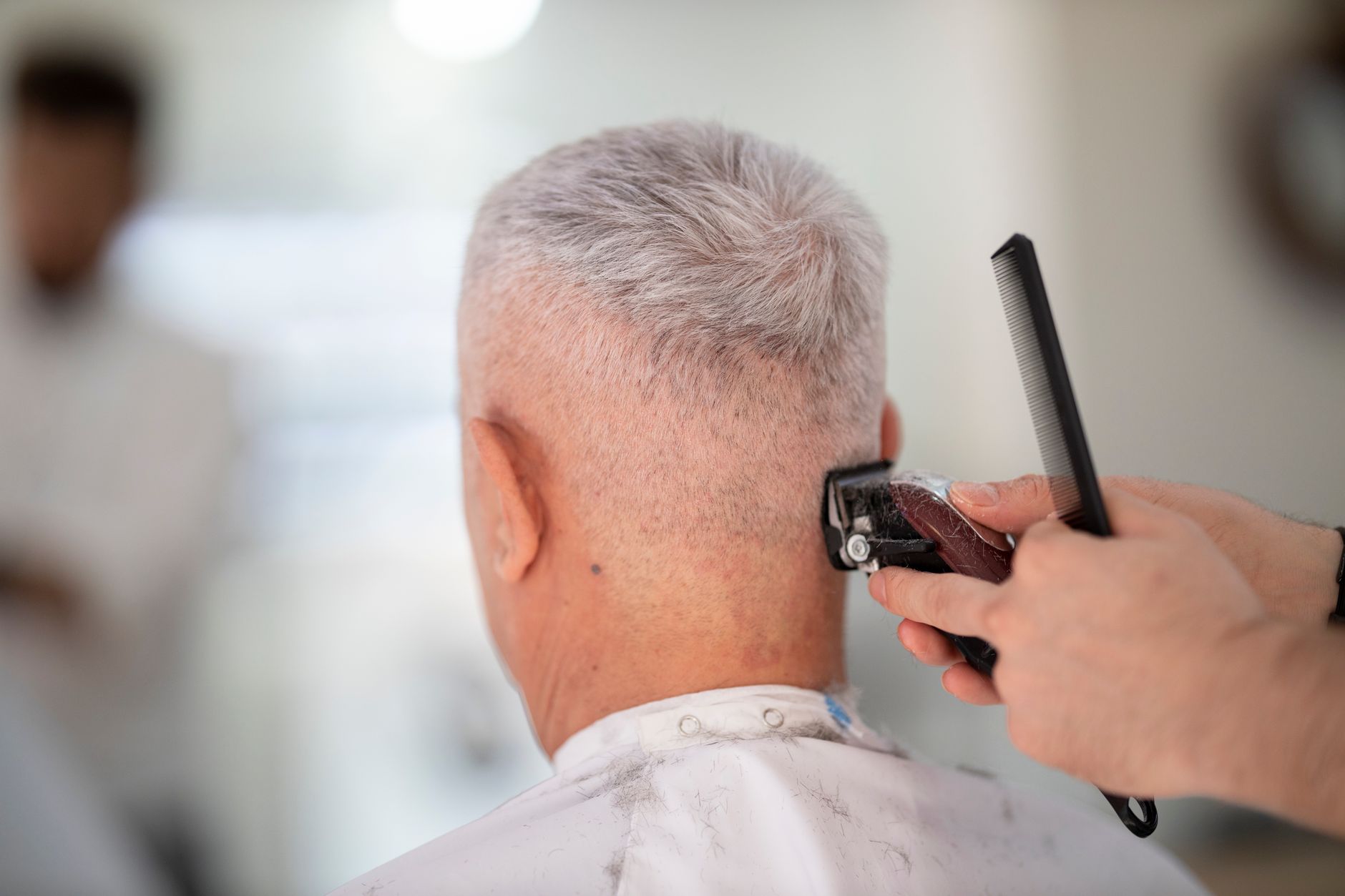
I wet the hair, I cut it close and clean at the back, I squared the neckline with the trimmers, and I took the warm towel and wiped his neck the way he taught me.
Then I got the hand mirror from my sack and held it up in front of him.
He looked at it for a long time. His eyes moved over his own face like a man reading a letter he had been waiting on.
“That’s me,” he said.
The man in the next bed had been watching the whole thing with his chin on his chest. His name was Lonnie Abney, and he had driven a milk truck for thirty years.
“If you can do him,” Lonnie said, “can you do me?”
I did Lonnie. When I finished, an aide stuck her head in to see what the quiet was about, and she went and got another aide, and by the time I packed my sack there were three men in the hall in wheelchairs, each one studying his own shoes and pretending he was just passing.
The Thursday after that, there were four. By Christmas there were nine.
Somewhere in there the women started asking, too, quietly, and I learned to say yes to a neckline and a set of bangs and send the rest to Wanda, the beautician who came on Wednesdays to do the sets.
Nobody ever decided it would last forty years. Nobody sits down at thirty-two and makes that kind of plan. I just kept closing at noon.
Daddy lived at Cedar Knob for ten more months. I cut his hair every Thursday, and every Thursday after I finished, he looked in the mirror and said the same two words.
Some weeks he said them with his eyes shut.
He died in July of the next summer, with a clean neckline. I will not say much more about that, except that I went back the next Thursday.
I cannot say exactly why. Lonnie was still there, and so were three or four others who had begun to count on me.
I had made a promise to those heads, and the reason for it being gone did not release me.
The card in my shop window became a fixture. Closed at noon Thursdays, back Friday. Customers learned it the way you learn the hours of the post office.
A few grumbled at first, because Thursday afternoon was when the working men came in after the shift change at the plant, and it was the busiest stretch of my week.
I gave up that afternoon for forty years, and I never did the arithmetic. Jean did it once, on the back of an envelope. She did not show me the number and I did not ask.
A Thursday went like this.