The Spring My Brother Closed Our Bridge
Verna Hollister lay on her kitchen floor for forty-one minutes, and the whole time she kept telling my wife not to make a fuss.
“Don’t call Alan, Marianne,” she said. “He’s got enough on him. It’s a hard job.”
“Verna, hush,” my wife said. “Hold my hand.”
I got there at ten past two on the afternoon of April 9, because Marianne had called me from the Hollister kitchen phone and said only, “Come now, and bring the quilt off the back of the couch.” When I came through the door, my wife was sitting on the linoleum with her good slacks soaked through at the knee, and Verna was gray as a dishrag, with one leg turned out in a way no leg should turn.
Verna was 86 years old. She had fallen reaching for the top shelf where she kept her late husband’s coffee can of buttons. She was a small woman, and the kitchen floor was a long way down.
“The ambulance?” I asked.
“They called back,” Marianne said. “They’re coming the back way. They can’t cross the creek.”
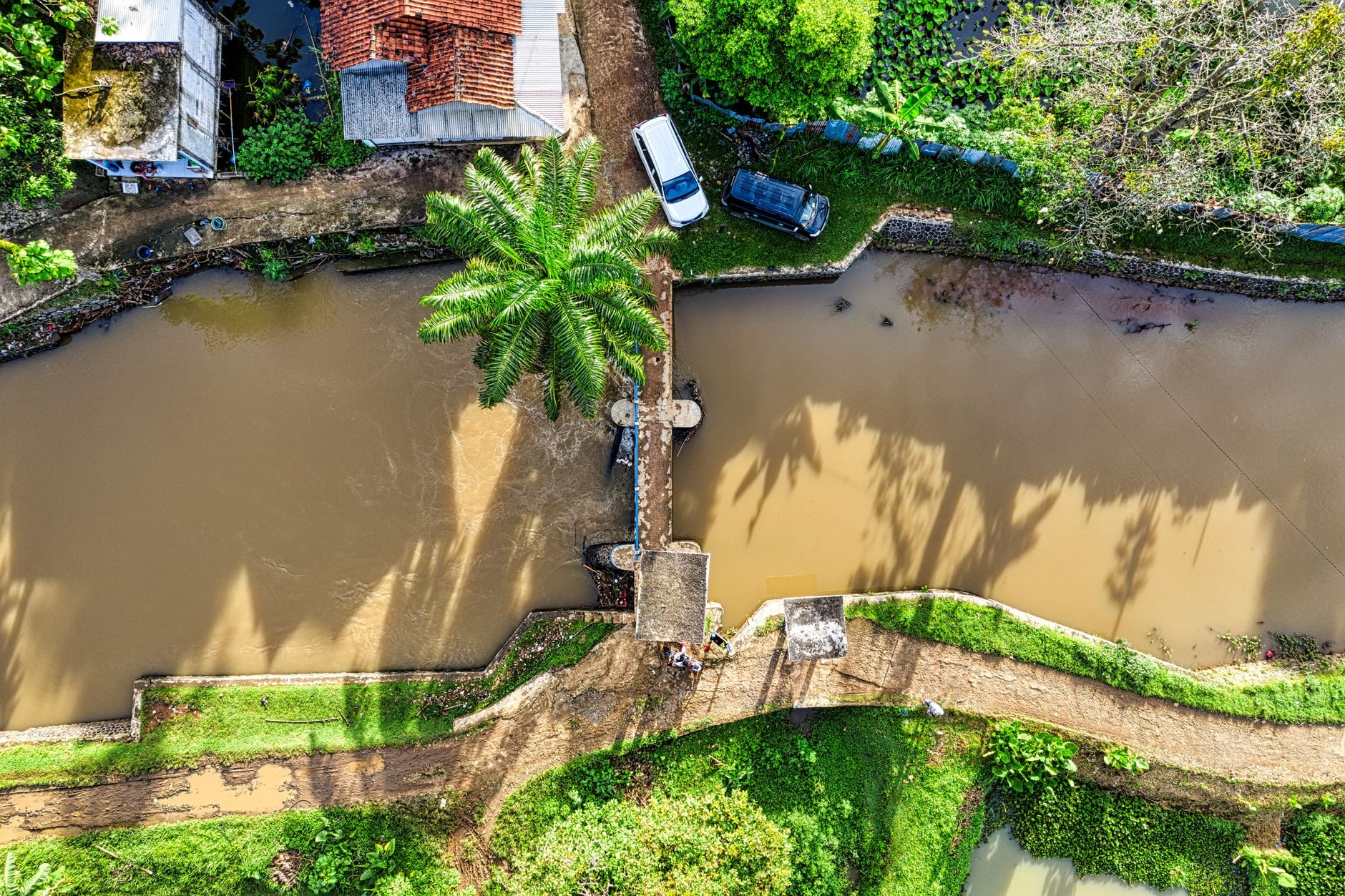
I looked out the window over Verna’s sink. From there you could see the whole low pasture and, at the bottom of it, a flash of orange where the county barricade stood at the east end of the bridge I built.
The bridge had been broken for twenty-six days.
I tucked the quilt around Verna’s shoulders and did not say what I was thinking. What I was thinking was that it should have taken twelve minutes. Our volunteer ambulance sits in town, five miles off by the creek road, and twelve minutes is what it had always taken, for her husband Henry’s heart in 2011 and for my father’s stroke in 2019. Now the rig had to run sixteen miles of gravel around Dutch Hollow.
At 2:51 I heard the siren come up Creek Road from the wrong end, the north end, trailing a long yellow wall of dust.
Tracy Boyle was the EMT who knelt by Verna’s head. She cried at my father’s funeral, and she did not cry now. She did what she was trained to do, quickly and kindly, and when they lifted Verna onto the cot Verna caught my sleeve.
“Frank,” she said. “Don’t be hard on your brother.”
“Hush,” I said. “Go on and get fixed.”
That is how it started, if you want to know. Not with a petition or a speech. It started with an 86-year-old woman telling me to be kind to the man who had put her on that floor.
I should tell you who I am, and who my brother is, and why one little bridge turned into the biggest thing that ever happened to the Ostranders.
My name is Frank Ostrander. I am 63. I run about sixty cow-calf pairs on the home place on Creek Road, the same ground my father farmed, and I was county road commissioner for twelve years, until I stepped down in 2018. My brother Alan is three years younger. He turned wrenches for 36 years at the Case dealer in town.
Here is the part nobody in the family likes to say out loud. In 2006 the old commissioner, Lyman Penrose, announced he was retiring, and both of us filed. Alan loved those yellow county machines with a love I never understood. I just thought the roads needed somebody who would answer the phone.