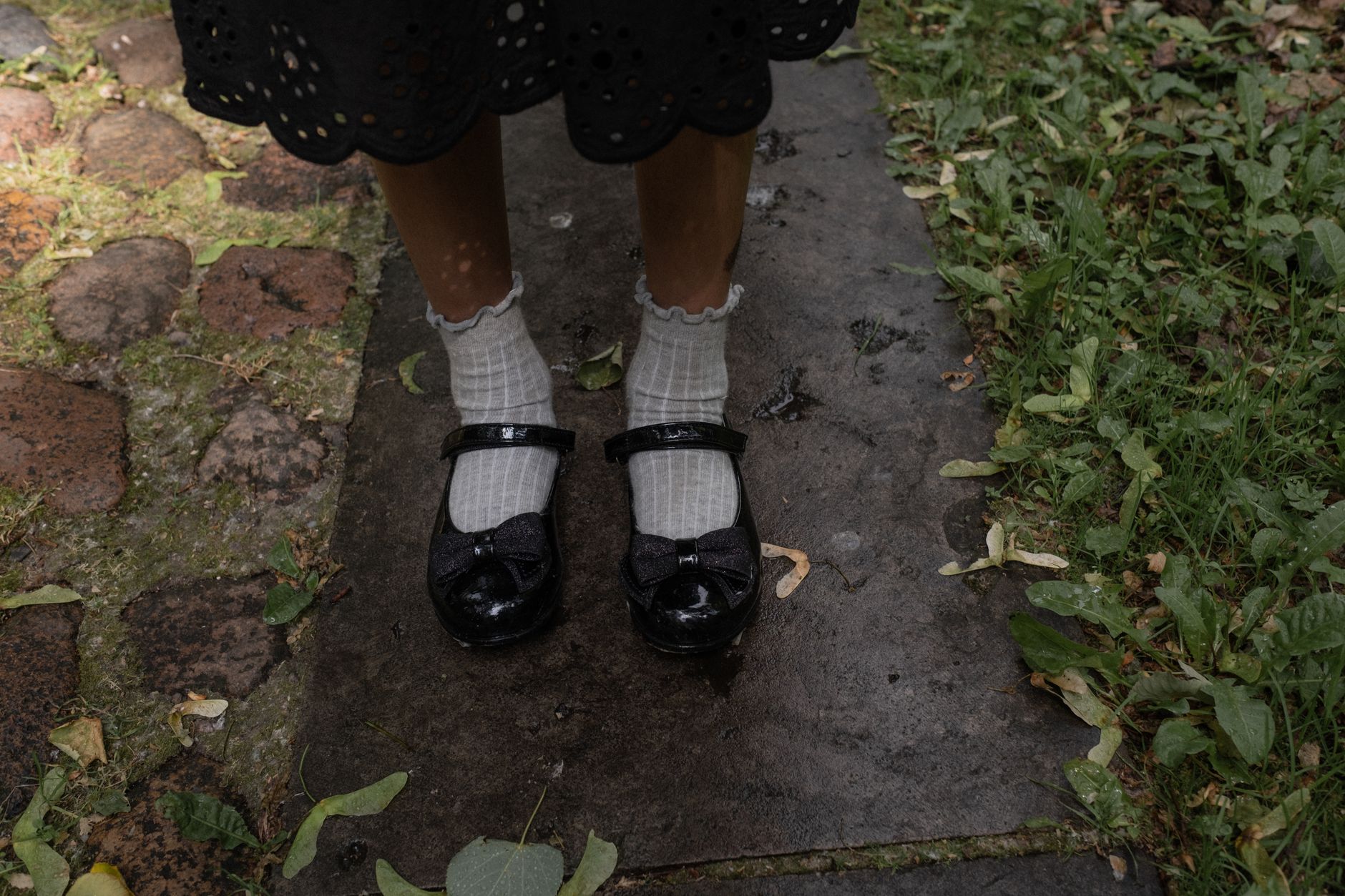
The Shoes the Quiet Woman Paid For
There were five of us. Everett Junior, called Junior, was fourteen and starting ninth grade. Larry was twelve. I was ten. Tracy was eight. And Mitch, the baby, was five and had been talking for weeks about starting kindergarten like a man about to be sworn into office.
Seven mouths, in a rented house at the edge of town. Daddy’s unemployment check came on Thursdays and it was not much, and by September we were eating beans and cornbread twice a day and my mother was using the word “plenty” more often than the plate warranted. All over Main Street that summer there were red, white and blue banners for the Bicentennial hung from the light poles. They were still up, a little faded, and I remember thinking they looked like something for a different town.
The week before school started, she sat the five of us down at the kitchen table. I can see it still: the oilcloth with the faded cherries, Daddy at the screen door with his back to us, my mother with her hands folded.
“There will be no new clothes this year,” she said. “We are going to make do. Junior, you’ll wear Larry’s old jeans where they’ve been let down. The girls have last year’s dresses with the hems out. Nobody in this house is ashamed of anything.”
Then Tracy lifted her foot onto the chair and showed my mother the bottom of her shoe. The sole came away from the front like a flapping tongue. “Mama,” she said in a very small voice, “it does this when I run.”
I had cardboard in mine. I had cut a piece from a cereal box and slid it inside to cover the hole, and said nothing to anyone. Junior had outgrown his boots clean through. Mitch had no school shoes at all, only canvas sneakers he had worn since June, with the big toe poking out.
My mother looked at that row of feet a long moment. Then she said, steady as a level, “We’ll see what the Lord provides.”
Daddy did not turn around. I saw his shoulders move once, down and up.
My father was not a man who took help.
He was raised on a hill farm in the next county, by people who had come through the thirties on rocky ground and a few cows, and what they took from it was a creed: you do not take what you did not earn.
So he did what proud men do. He worked. He hauled hay for the Dawes place at six dollars a day and came home with chaff in his collar and the creases of his neck. He never once asked the church for a thing. Every Sunday that fall he sat in the fifth pew on the left in his one good shirt with the collar turned, and sang in his rough baritone, and when the plate came by he put in a dollar. In a month when a dollar was our milk money, he put in a dollar.
I did not understand that at ten. I do now.