Forty Plates on the Tailgate
I pulled the first cooler to the edge and took the lid off, and the smell of roast beef rose out into that cold evening air.
And here they came.
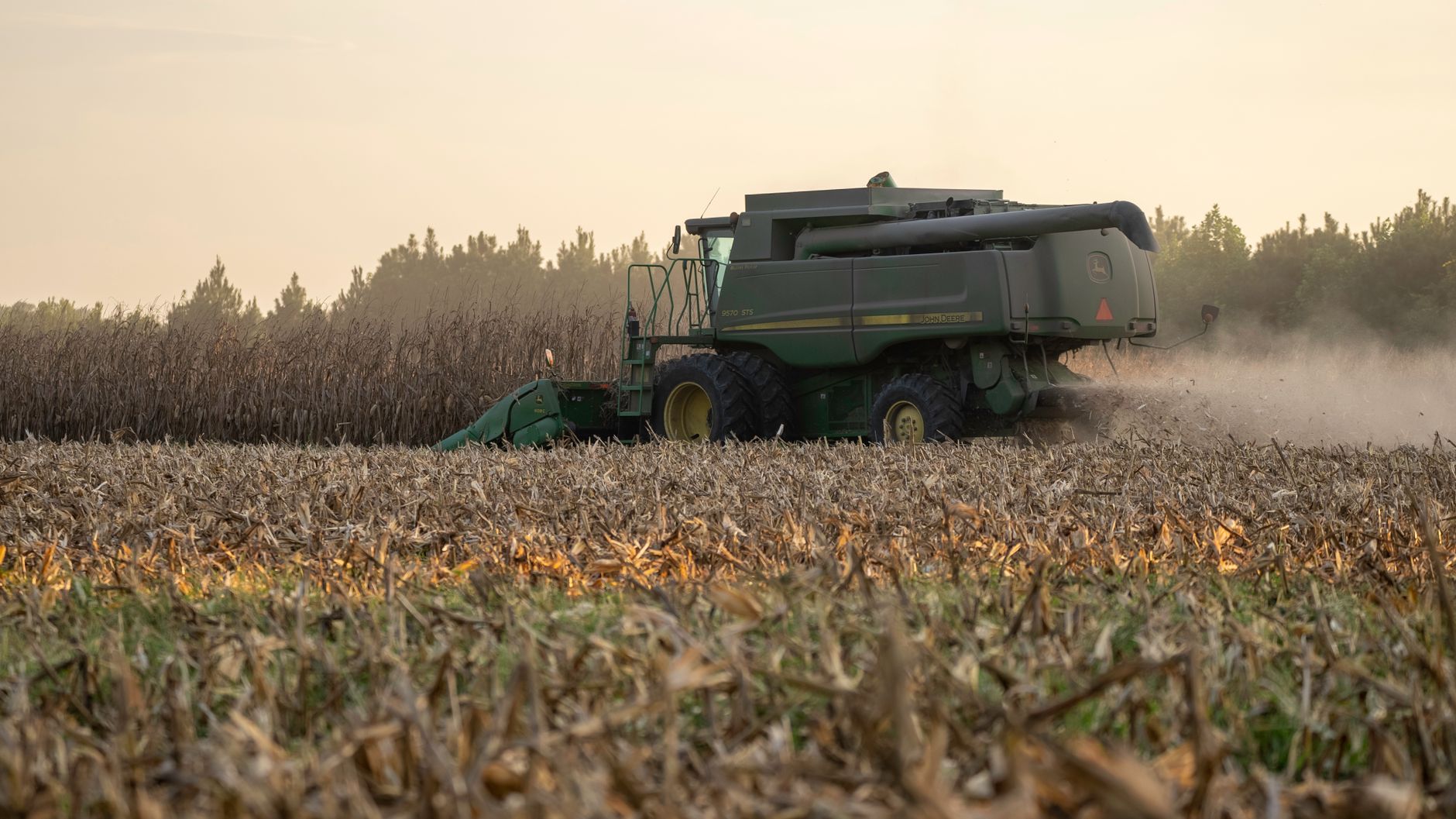
They came walking in out of the dusk from every direction, from the combines and the grain cart and the semis parked on the gravel.
Dusty to the elbows, chaff in their hair, caps pulled low. Nobody hurried, exactly. But nobody went anywhere else.
Elmer came first. Elmer is 74 years old and has driven grain cart for this family since before Dan could walk.
He drove for Dan’s father, and now he drives for Dan, and every fall we tell him this is his last year, and every fall he shows up in September with his thermos.
He took the first plate from my hands and lifted the corner of the foil.
Then he just stood there, breathing it in, with his eyes closed. He did not say anything. He did not have to.
I handed out plates down the line, one after another. Roast beef. Mashed potatoes with gravy. Green beans with bacon.
A seven layer bar in wax paper. Coffee from the thermos into anybody’s cup who held one out.
The crew’s families started arriving on the gravel, the ones who had come for the party. Wives and husbands, a couple of teenagers, two little girls in pink boots.
Bev from down the road, leaning on her cane. The elevator manager. Pastor Mike and his wife, Karen.
Nobody asked where the linen tables were. People found places to sit. On the tailgate, on the steps of the combines, on upturned buckets from the grain cart.
A few of the men just ate standing up, the way they had eaten every night for six weeks.
Way down the road, I could see Eric’s tractor lights crawling toward the van in the ditch, slow and careful, the way you go when you do not want to make a bad situation worse.
The Plate
Kristin had walked back up from the van by then.
She was standing a few feet from my tailgate in her clean gray puffer vest and her good jeans, with her phone in her hand. She had not moved toward the line.
I want to be honest about this part, because it is the part that matters. I could have left her standing there.
Some part of me wanted to. Some part of me wanted her to stand in that orange light and watch everybody eat the plain supper she had replaced.
But I have been to too many church basements. I have washed too many funeral dishes.
And I kept thinking about Joan, who once fed a hired man who had stolen gas from our tank, because she said a hungry man is a hungry man.
So I took a plate off the stack and held it out to her.
Kristin looked at it for a long time. I could see her jaw working.
I knew she had not eaten since breakfast, because she had been running around all day with her clipboard, getting ready for a party that was now sitting in a ditch.
Then she took it.
She did not go sit with the others. She came around to the back of the pickup and sat down on my tailgate, right next to me, with the plate on her knees and the foil still on.
The crew went quiet around us. Nobody was rude about it.
They just got very interested in their potatoes, the way people do in a small town when something is happening that they will discuss later in great detail.
Kristin peeled back the foil. She took a bite of the roast beef, and then another one, and then she set her fork down and looked at me.
“Julie,” she said quietly. “Can I ask you something?”
“Sure.”
“How do you do this every night?” she asked. “Every single night. For six weeks. For twenty-six years. How do you do it?”