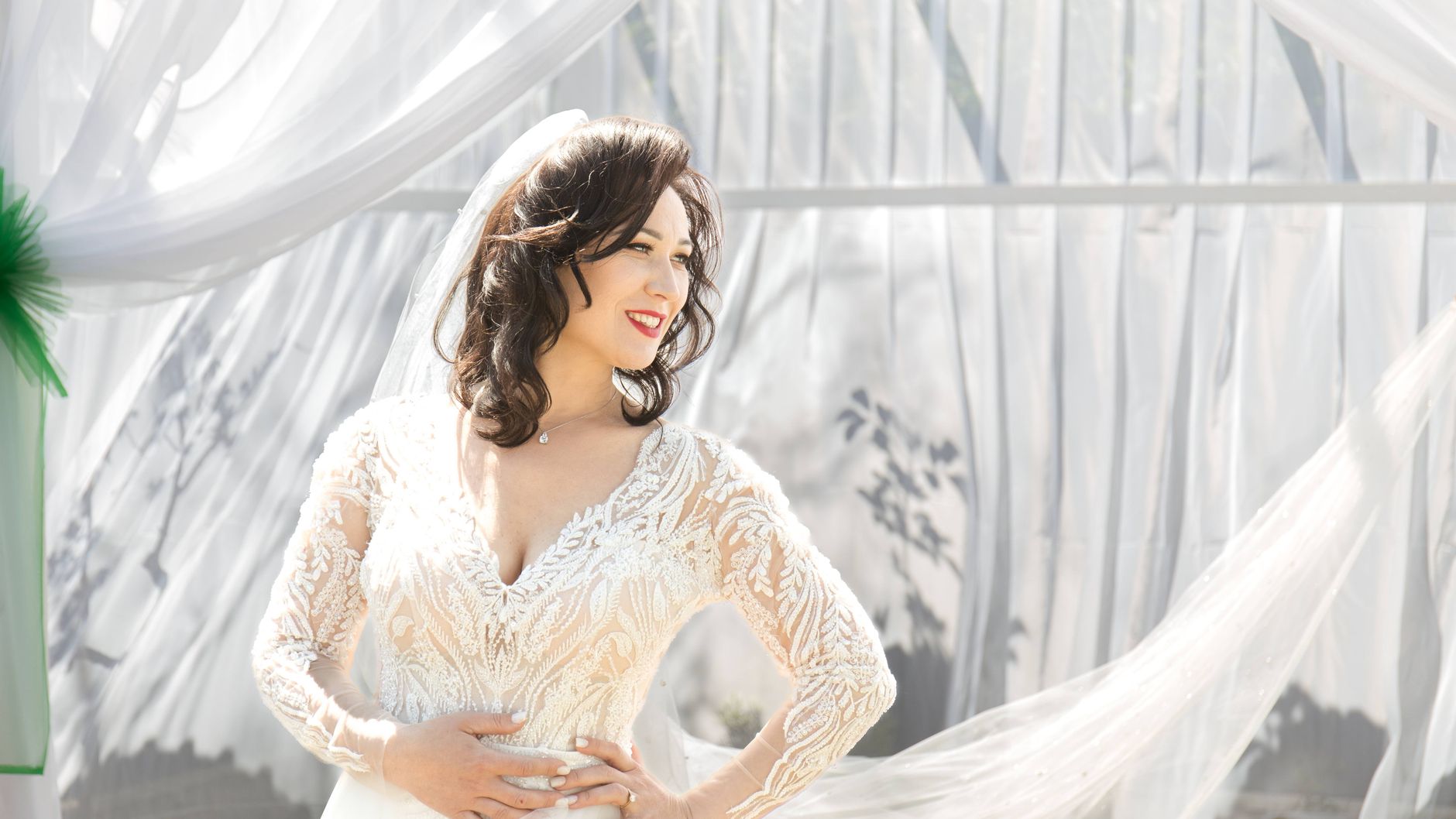
The Wedding in Grandpa Vern’s Hayfield
That was a Saturday night. By Sunday noon, after church, it was all over the ridge that Hannah and the shop teacher were getting married in Vern’s hayfield, and the kitchen phone started ringing.
I wish you could have seen that refrigerator.
My mother kept a pen on a string beside it. Every time somebody called, she found the name and wrote down next to it what they had said. Within a week there was not a bare line on either page.
Roy and Marge: forty folding tables from the Legion hall, and Roy’s flatbed to haul them.
Jeff the milk hauler: his big brat cooker, the one on the trailer he takes to the fire department fundraiser. He said three hundred brats and he would not hear of being paid for the meat. He said he had been drinking coffee in our milk house for nineteen years and he figured he was behind.
Pastor Dave’s wife: the church’s chairs, all hundred and eighty, and the two big coffee urns.
My 4-H leader, who is seventy-six now: she said to put her down for pies, and then she called the Ladies Aid. I counted them on the day. Thirty-one pies. Nine of them were sour cream raisin.
The neighbors, the eleven who had milked for us: they divided it up among themselves without being asked. Potato salad in roasters. Baked beans. Sweet corn, picked that morning. A stock tank full of ice with white milk and chocolate milk in it for the kids, because it was a dairy wedding and somebody ought to drink the product.
One of them plays the concertina. He has a polka band with his two brothers and a cousin on the tuba, and they have played every wedding dance in the county since about the Carter administration. He told my mother they would play till the cows came home, and then he said, “Which in your case, Deb, is five o’clock, so we’ll go a little past that.”
That was the other gift, and it was the biggest one. The Bauer boys said they would take our evening milking. All sixty-two head, in our barn, in their good clothes if they had to, so that for the first Saturday night in thirty years my mother could stay in her dress.
She cried over that one. Standing at the refrigerator with the pen in her hand.
And Luke. The first week of school he stood in front of his third-hour woods class and asked if anybody wanted extra credit, and those kids built us a dance floor. Sixteen sheets of three-quarter plywood on a frame of treated two-by-fours, in sections that bolt together, sanded so a lady could dance in stockings. It was sixteen feet by thirty-two. He paid for the lumber himself. The kids signed the underside of it.
I picked rocks. The week after Grandpa took the third crop off, I walked that field every evening after milking with a five-gallon pail, and Luke walked it with me. That was where we did our talking.
“Has she called you?” I asked him one night.
“No.”
“Have you called her?”
“Twice. She let it ring.” He tossed a rock in the pail. “I mailed her the first two hundred dollars. She hasn’t cashed it.”
“Luke.”
“She will or she won’t.” But I could hear what it cost him. He was her only child. He had eaten supper at that dining room table every night of his life until he was eighteen.