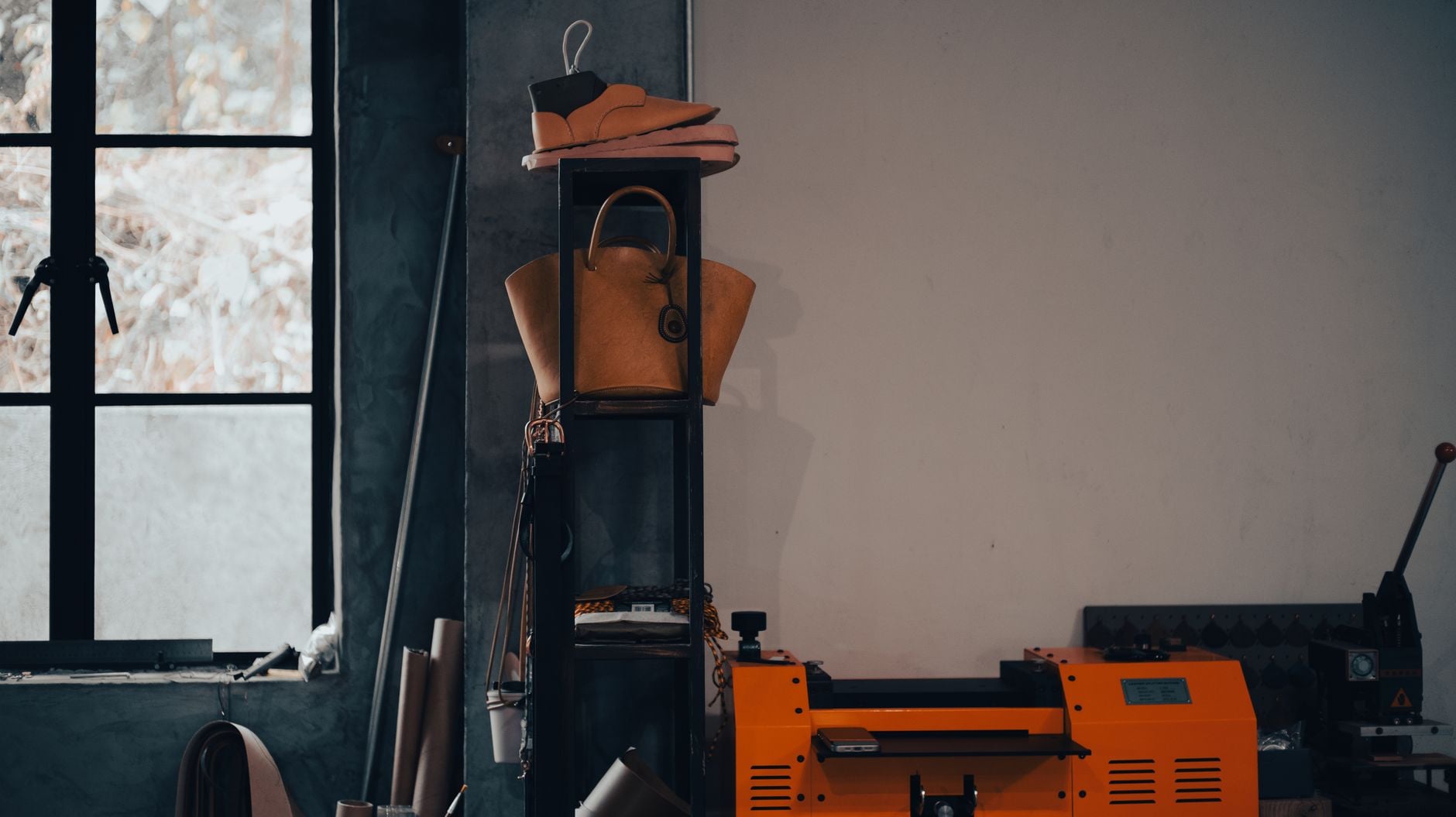
The Bag Her Aunt Left Behind
Brooke said, “It kind of looks like the one Emily made you.”
“Oh, honey, no.” Dana laughed. “Bless your heart. That’s like saying a go-kart looks like a Cadillac.”
A woman next to us, a stranger in a straw hat, turned and looked at Dana, and then at the canvas tote on my daughter’s shoulder, and then away again.
Emily studied a rack of scarves.
Dana worked her way to the counter with her chin up. We followed in her wake. Mrs. Ortega was at the register with her reading glasses on a chain, writing something in the ledger. She is a small, silver-haired woman, and people stand up straighter in front of her counter.
“Good morning,” Dana said, in her selling voice. “Dana Fischer. You called me Wednesday. I’m on the list.”
Mrs. Ortega looked up.
“Of course. Mrs. Fischer.” She smiled, and reached for the ledger, and then her eyes went past Dana’s shoulder.
Past Katie. Past Brooke.
Her whole face changed.
She took off her glasses. She came out from behind that counter with both hands held out, and twenty women turned to see who she was walking toward.
“Well,” she said, loud enough for the whole store. “There she is.”
She took my daughter’s face in her two hands and kissed her on the forehead.
“I was just telling these ladies about you. I didn’t think I’d get you on a market day.” She turned around, with one arm across Emily’s shoulders, and raised her voice the way she does when she announces the Christmas raffle. “Ladies. Y’all have asked me for a year who makes the Wren Bench bags, and I have kept my promise and never said. But she’s standing in my store, so I’m going to ask her.” She looked at Emily. “May I?”
Emily’s ears were scarlet. She looked at me. I did not nod and I did not shake my head. It was hers.
“Yes, ma’am,” she said. “You can tell them.”
“This is Emily,” Mrs. Ortega said. “She’s fifteen years old. She stitches every one of them by hand, on her granddaddy’s saddle bench, after her homework. I’ve been in this business since before she was born, and I have never sold anything finer.”
For a second there was no sound in that store at all.
Then the woman in the straw hat said, “You’re not serious,” and somebody else said, “That child?” and a lady by the turquoise table started to clap, and then they all did. Twenty women, clapping in a dress shop at ten in the morning. A few had their own Wren bags on their shoulders. One of them held hers up over her head.
I looked at my sister-in-law.
Dana had not moved. She was standing at the counter with her mouth a little open and one hand still resting on the glass. All the color had gone out of her face. She looked at the chestnut bag on the shelf. She looked at Emily. She looked at the canvas tote.
“That’s not,” she said. “No. Emily does crafts.”
“Is that what you call it?” Mrs. Ortega laughed, friendly, not knowing. “I call it the reason I paid off my roof.” She patted Emily’s shoulder and then she looked at Dana properly. “Do y’all know each other?”
“She’s my niece,” Dana said. It came out faint.
“Your niece! Well, my goodness, then you already knew. And here you sat on my list six months like everybody else and never said a word. That’s good manners.” Mrs. Ortega beamed at her. “You must be so proud you can’t stand it.”