The Bag Her Aunt Left Behind
But Emily was at the table doing her algebra, and she had heard every word. Dana’s voice carries. She was looking at me with those gray eyes.
“Tell her I’d like to come,” she said.
I covered the phone. “You don’t have to do this.”
“I know. Tell her.”
So I told her. Dana said, “Wonderful, ten sharp, don’t let her wear that cardigan,” and hung up.
I sat down across from my daughter.
“What are you going to do?”
“I don’t know yet,” she said, and I believed her. “I don’t want to embarrass her, Mama. I mean that. I don’t want to be the kind of person who waits three weeks to get somebody.”
“Then why go?”
She erased something on her homework and blew the crumbs off.
“Because she’s going to find out sometime. This town’s too small. I’d like to be standing there when she does, so she can’t decide later what my face looked like.” She looked up. “And I’m tired of hiding it. I was hiding it so people would be honest. I think they’ve been honest.”
Forty names in a ledger. I supposed they had.
“Does Mrs. Ortega know your aunt is number thirty-one?”
“She knows a Dana Fischer is number thirty-one. I never told her that’s my aunt.” She closed the algebra book. “I never told her about Easter either. I don’t want you to. Whatever she says Saturday, I want it to be just what she’d say anyhow.”
Saturday came up clear and warm. Mark took the folding table to the square by himself that morning.
Emily wore jeans and a white blouse and her everyday boots. She braided her hair at the kitchen mirror. Then she went out to the shop and came back with her canvas tote, and I could see the corner of the boot box in it.
I did not ask.
We parked behind the bakery and walked up Main Street. The sidewalks were already full of wildflower people from the city. The white Tahoe was parked in front of Ortega’s, a little over the line.
Dana was on the sidewalk in white slacks with my three nieces lined up beside her. All three girls were carrying their cream handbags. I believe she had told them to.
“There they are!” She air-kissed me and looked Emily up and down. “Well, you’re neat as a pin. No cardigan. Good girl.”
“Hi, Aunt Dana.”
Amy slipped around her sisters and took Emily’s hand and did not let go of it.
“Now, when we go in,” Dana said, “let me do the talking. Mrs. Ortega is particular. This isn’t the kind of store where you touch things.”
The bell on the door rang when she pushed it open.
It was crowded. It always is on the Saturday the bags come in, because word gets around. I would say twenty women, shoulder to shoulder between the racks of linen dresses and the table of turquoise. The place smelled like cedar and good candles.
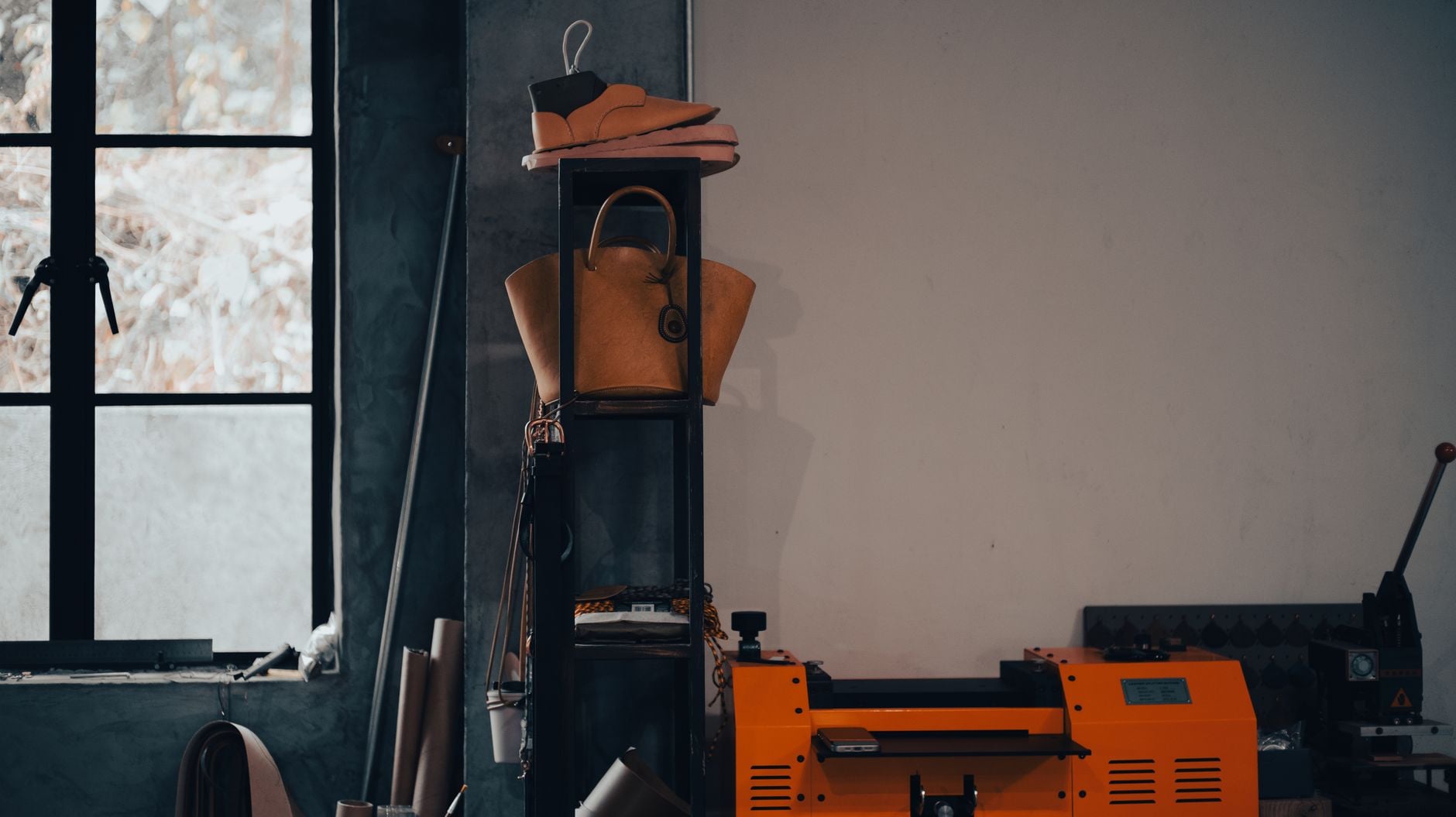
On the middle shelf of the back wall, by itself, under a little brass lamp, sat one handbag. Chestnut brown, hand-rolled handles, brass turn clasp. A small cream card stood beside it.
Wren Bench. Hand-stitched in Gillespie County. $640.
I had seen that bag on our kitchen table nine days earlier with a pencil lying across it.
“There it is,” Dana breathed. She actually put her hand on her chest. “Girls. Look at that. Look at the stitching. You see how every stitch leans the same way? A machine can’t do that. That is a lifetime of skill.”