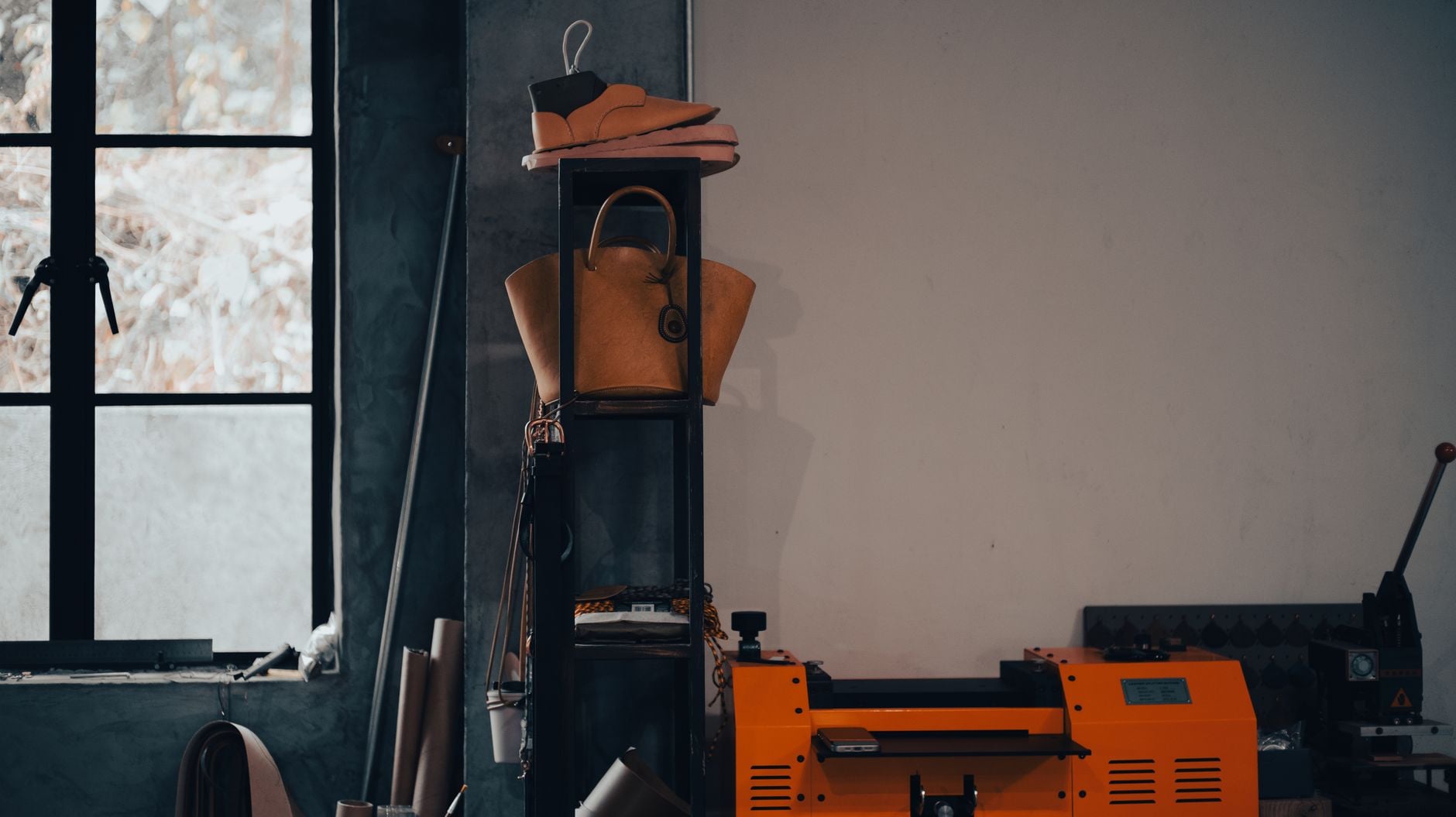
The Bag Her Aunt Left Behind
“Who made that?”
“I did, ma’am.”
“No. Who made it?”
“I did,” Emily said. “It’s my second one. The first one’s crooked.”
That was Mrs. Ortega. She bought the bag off my daughter’s shoulder that morning for two hundred dollars and asked if she could make three more. Within a month she was asking for six. She raised the shelf price twice because they would not stay on the shelf. By that Easter there were forty names on the list in her ledger.
Emily had asked for one thing. She did not want anybody told who made them.
“If they know it’s a kid, they’ll buy it to be nice,” she said to me, the night Mrs. Ortega called with the offer. “Or they won’t buy it at all. I want to know if it’s good. Just the bag.”
So Mrs. Ortega told people the maker was private, which was true, and people in town built the rest on their own. An old saddle maker out in the hills. I suppose that was true too, in a way. He was in every one of them.
Mark and I had kept her secret from his whole family for over a year. Carol knew Emily sold “little leather things” on Saturdays. That was all anybody knew.
I turned off the water. The screen door opened behind me, and it was Emily, carrying a stack of paper plates to the trash.
“Baby,” I said.
“Don’t, Mama.”
“I’m not going to stand in this kitchen and let her.”
“Please don’t say anything.” She put the plates in the trash and pressed them down with the flat of her hand. “Please. Not today.”
“Emily. She called it a hobby. She’s on a list to buy one.”
“I know.” And the corner of her mouth moved, just barely. “Number thirty-one.”
“How are you smiling?”
She thought about it. She thinks before she talks. She got that from the bench.
“Because she already told me what she thinks of it,” she said. “She just doesn’t know she did. She said you can tell a master’s hand.” She shrugged. “That’s the nicest thing Aunt Dana ever said about me.”
Then her chin shook, once, and she was fifteen again.
“The other thing hurt, though,” she said. “The weight thing. That one hurt.”
I held her in that kitchen with the faucet dripping. She is taller than I am now. She smelled like beeswax and Easter ham.
“You say the word and I’ll tell that whole porch,” I said into her hair.
“I know you would. That’s why I’m asking you not to.”
So I did not.
We stayed another hour. I answered my sister-in-law when she spoke to me, in a voice I would use for somebody at the bank.
About four o’clock Dana kissed her mother, called out, “Love y’all, be good,” and drove off in the white Tahoe with dust standing up behind her.
The tan bag was still on the porch boards by the cooler.
She had not forgotten it. You do not forget a thing somebody put in your lap. She had left it.
Carol saw it the same moment I did. She put her hand over her mouth.
“Oh, Emily. Honey. I’ll call her. I’ll make her turn around.”
“It’s okay, Grandma.”
Emily bent down and picked it up. Somebody had dripped cooler water on one handle. She wiped it dry with the sleeve of her cardigan, carefully, the way you would wipe a child’s face, and she put it back in the boot box and tucked the rosemary in on top.