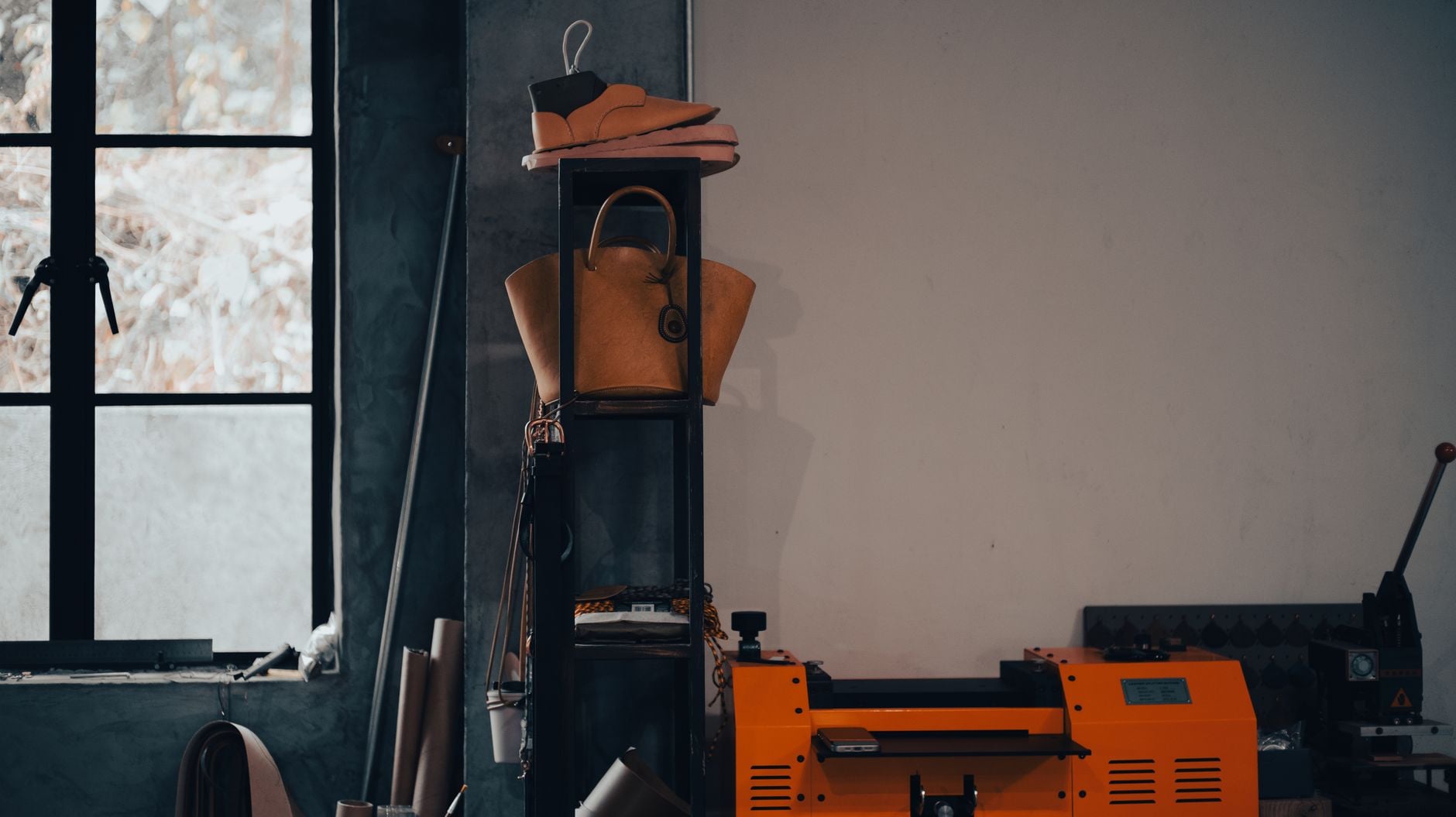
The Bag Her Aunt Left Behind
She had asked Carol, weeks before, how tall Dana was. I had not understood why at the time.
Dana lifted it out of the box with two fingers.
“Oh,” she said. “Homemade.”
She turned it over once. She did not open the clasp. She did not look inside, where the little wren was stamped under the flap.
“That’s sweet, honey. Look at you, with your crafts.” She set it down on the porch boards, next to the cooler. “You should see a real one sometime. There’s a difference when you see a real one.”
“Yes, ma’am,” Emily said.
She picked up her plate and sat back down on the step.
I looked at my husband. He looked at me. He knew what was in that box as well as I did, and he knew something else besides, and I watched him open his mouth to say it.
Emily said, “Daddy, can you pass the rolls?”
He passed the rolls.
Then Dana, who never could leave a silence alone, started in on her favorite subject, and that is when the afternoon turned from a cruel one into a strange one.
“Speaking of real ones,” she said. “Y’all know Ortega’s? On Main, across from the bakery?”
Everybody knew Ortega’s. Mrs. Ortega had kept that boutique for twenty-two years, in one of the old limestone buildings with the tin awning. It was the nicest shop in town.
“She’s got these hand-stitched leather bags,” Dana said. “They’re all anybody talks about. My broker has one. The mayor’s wife has one. You cannot just walk in and buy one, there’s a waiting list. I’ve been on it since November.”
Brooke looked up from her phone. “The Wren ones? A girl at school, her mom has one.”
“Wren Bench,” Dana said, with relish. “It’s some old saddle maker out in the hills, apparently. Does every stitch by hand. Six bags a month, that’s all he turns out, and Mrs. Ortega will not tell a soul who he is. I’m number thirty-one.”
I looked at my daughter.
Emily was eating potato salad. She took a bite, and chewed, and looked out at the bluebonnets along the fence. The back of her neck had gone a little red. That was all.
“How much is a thing like that?” Jeff asked.
“Six hundred and forty dollars,” Dana said. “And worth every dime. That’s craftsmanship. That’s what I’m trying to teach these girls, the difference between quality and,” and she flapped her hand toward the porch boards, toward the cooler, “you know. Hobbies.”
Carol said, “Dana, eat your cobbler.”
I got up and went into the kitchen, because I did not trust my face.
I stood at my mother-in-law’s sink and ran the water and held on to the edge of the counter. Through the window screen I could hear Dana still going. Something about the leather. Something about how you could tell a master’s hand.
Here is the part she did not know.
Fourteen months before that Easter, on a cold Saturday in February, a woman in a long gray coat had stopped at Emily’s folding table on the square. She picked up a belt and turned it over and looked at the stitching on the back for a long time. Then she saw the tan handbag sitting behind the table, the one Emily carried her own things in.