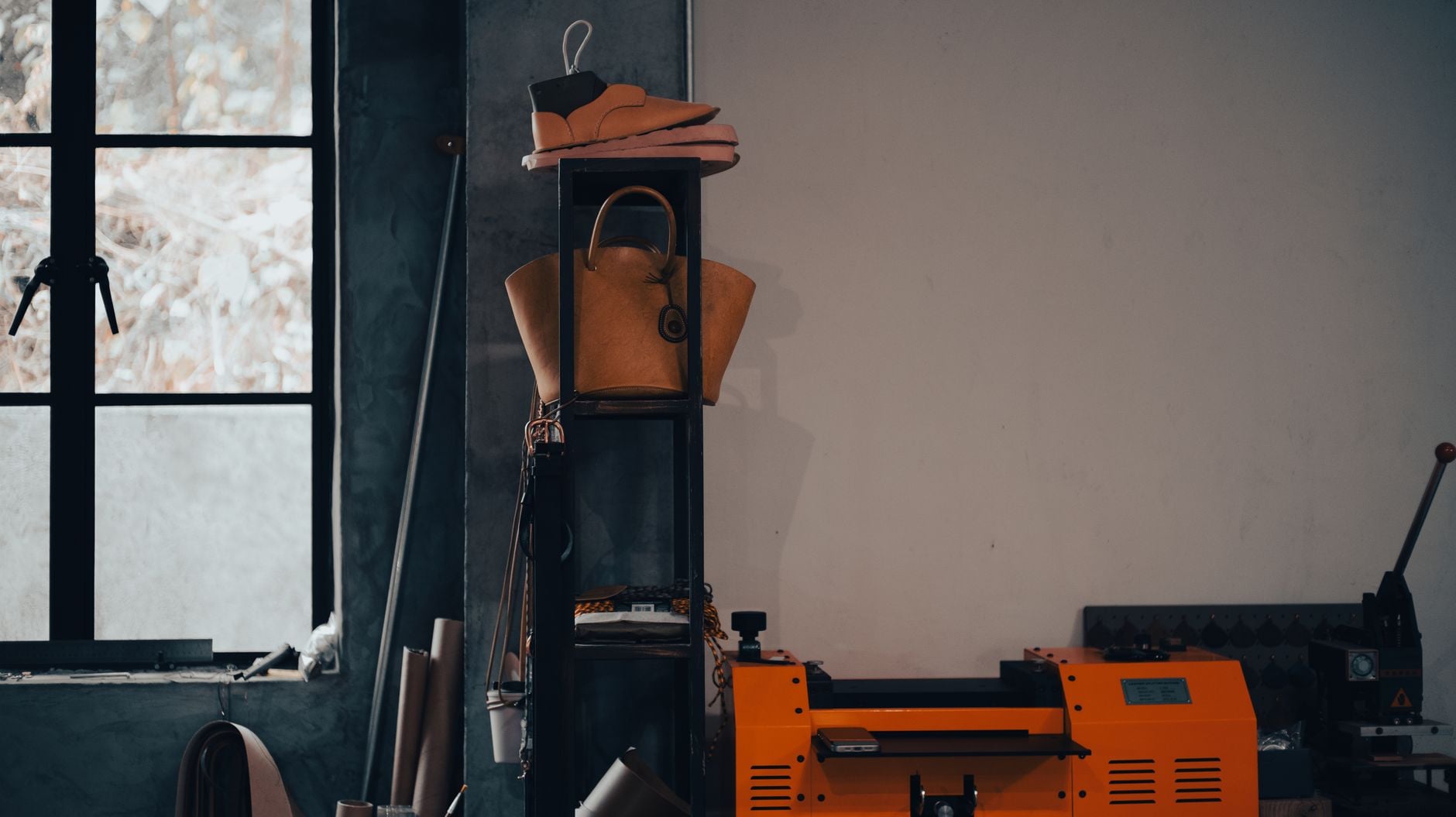
The Bag Her Aunt Left Behind
I had a whole speech ready. I had been saving pieces of it for fifteen years.
Then Emily looked at me.
Just a look. One small shake of her head. She has her grandfather’s eyes, gray and steady, and when she looks at you like that you feel about nine years old.
She turned back to her aunt, and she smiled.
“It’s okay,” she said.
She set her plate on the step, wiped her hands on a napkin, and stood up.
“I have something for you, actually. For your birthday. It’s in the truck.”
Dana’s birthday was the following Thursday. She had mentioned it twice already.
Emily walked down the porch steps and across the yard in her yellow church dress, her braid swinging against her back. Nobody said anything while she was gone. Kim started stacking plates that did not need stacking. My mother-in-law, Carol, who is seventy-three and has spent her whole life keeping peace in that family, said, “Who needs more tea?” to nobody.
Katie had quietly taken her handbag off her shoulder.
Emily came back with a box.
It was a plain cardboard box, the kind boots come in, tied with feed-store twine. She had tucked a sprig of rosemary under the knot. She put it in her aunt’s lap.
“Happy birthday, Aunt Dana. I made it.”
“You made it,” Dana said. “Well, isn’t that something.”
She pulled the twine. She lifted the lid.
Now I need to stop and tell you what was in that box, because Dana did not know, and you should.
My father was a saddle maker. Roy made saddles and tack in a tin-roofed shop behind our house for forty years, out on the Doss road, and people drove in from three counties to have him do it. When he passed, two years before that Easter, he left the place to me, and he left his stitching bench to Emily. He wrote it on the back of a feed receipt. “The bench goes to Wren.” That was his name for her, from the time she was small enough to sit under it.
She was thirteen when he died. She did not cry much at the funeral. The day after it, she went out to the shop, turned on the lamp, and sat down at his bench. She has been out there nearly every evening since.
He had taught her the saddle stitch when she was eight. Two needles, one waxed linen thread, every stitch pulled by hand so that if one ever breaks, the rest hold. He used to say you ought to stitch a thing like somebody’s grandbaby is going to carry it.
She started with key fobs and dog collars. Then belts. Then, the winter she was fourteen, she cut her first handbag out of a side of saddle-tan leather he had left on the rack.
She sold the small things on Saturdays at the makers market on the square in town, at a folding table next to a lady who sold pepper jelly. She stamped everything with a little mark she had cut herself: a tiny wren, and under it the words Wren Bench.
The bags she did not sell at the market. I will get to where the bags went.
What was in that box was the best thing she had ever made. Saddle tan, with hand-rolled handles and a brass turn clasp. Edges burnished until they looked like glass. She had spent forty-one hours on it. I know the number because she kept a tally in pencil on the shop wall, the way her grandfather did, and because I carried her supper out there most of those nights.