The Harvest My Neighbor Took
What It Cost Her
The board met in the fair office for ninety minutes, with the door shut, and then came back out and held the afternoon vote on the grandstand stage, as it always does. I will tell you how that went.
Corinne’s name was not on the ballot. She had withdrawn it. Fran told me afterward that she had walked into the fair office, put the card from the stage down on the desk, and said that she wished to be excused from the election “for family reasons.” The circle voted her out as chair of the church harvest supper a few days later.
The vote itself was Fran. Bev nominated her from the floor, and the grandstand seconded her, and Fran, who had run that fair office for nineteen years without ever being asked to put a word in the program, walked up the stage steps with the clipboard still under her arm and became the first woman in the fair’s history to be elected its president. I clapped until my palms stung. She caught my eye across the crowd and gave me a very small, very dry wink.
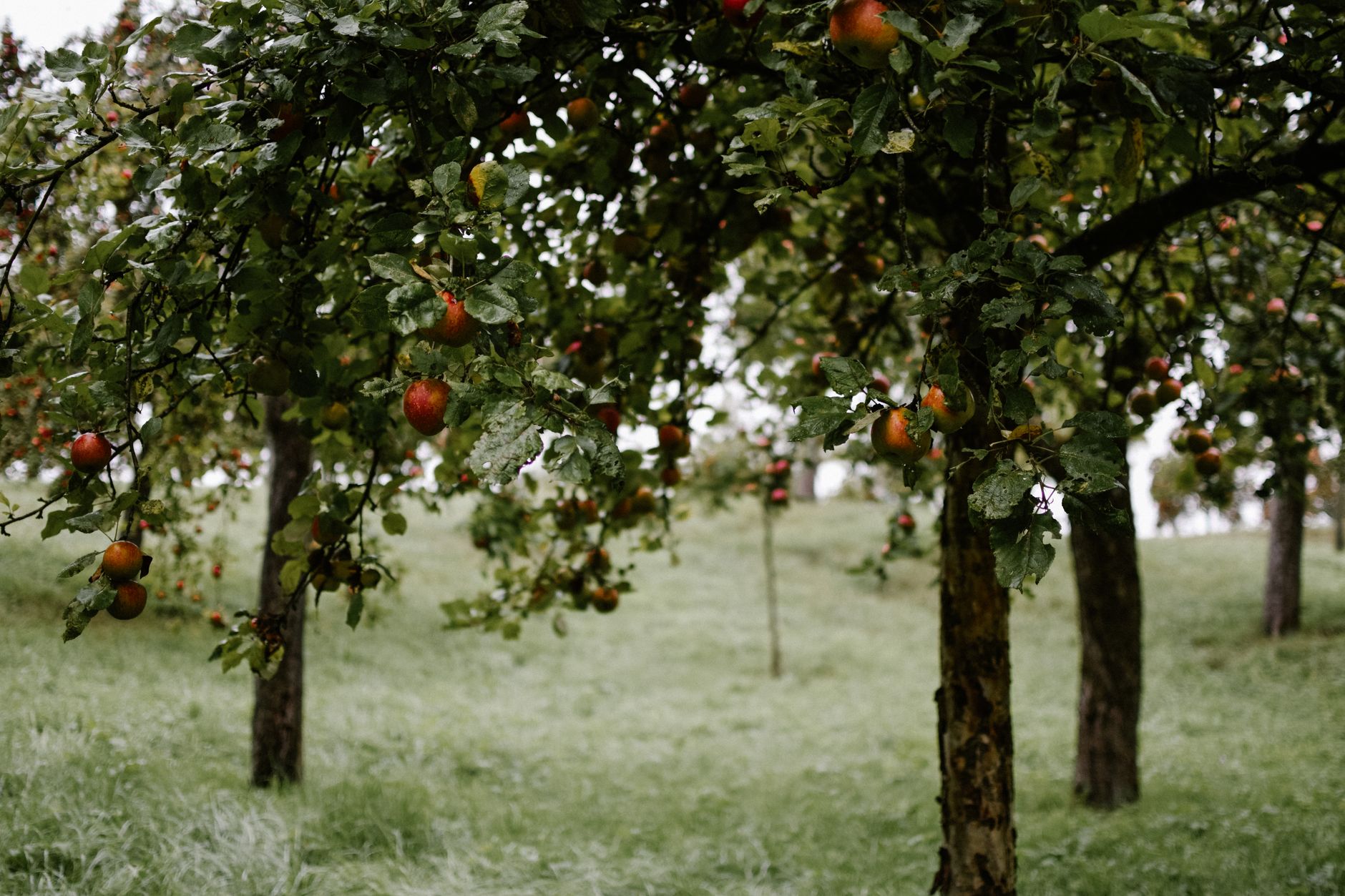
Within a week the sign at the end of the Rudds’ driveway was gone. Someone, I never learned who, left an envelope of cash in the folding table’s cash box with a note that said only, For the Sayer orchard, from a Lancaster customer. By Wednesday, six people had come to my door in person with money. Bev took a collection at the circle and handed me an envelope with eleven hundred and forty dollars in it and said it was for the crates. The woman in the camel coat sent a card from Lancaster with a hundred dollar bill and a note that said, I am so sorry. I thought it was such a lovely story.
I did not keep it. I took every dollar to the fair office the week after, and I gave it to Fran for the 4-H scholarship, and I told her to put Boyd’s name on it.
Dean Rudd came to my door the Sunday afterward with a check. He had sold the new truck. It was the only way, he said, that he could make the sum come out right. Three thousand, one hundred and eighty dollars, which was Corinne’s tally of what the stand had taken in before the frost, copied out in her own looping hand from the page of her cash book. He had not asked her to explain a single line of it.
“She is not well,” he said, standing on the porch in the cold. “She has not left the bedroom since Saturday. Her sister is coming up from Scranton.” He turned his cap over in his hands. “I want you to know I will not ask you to forgive her.”
“I am not going to,” I said. “Not yet. Maybe not ever.”
He nodded, as if that were exactly the right answer, and I think it was.