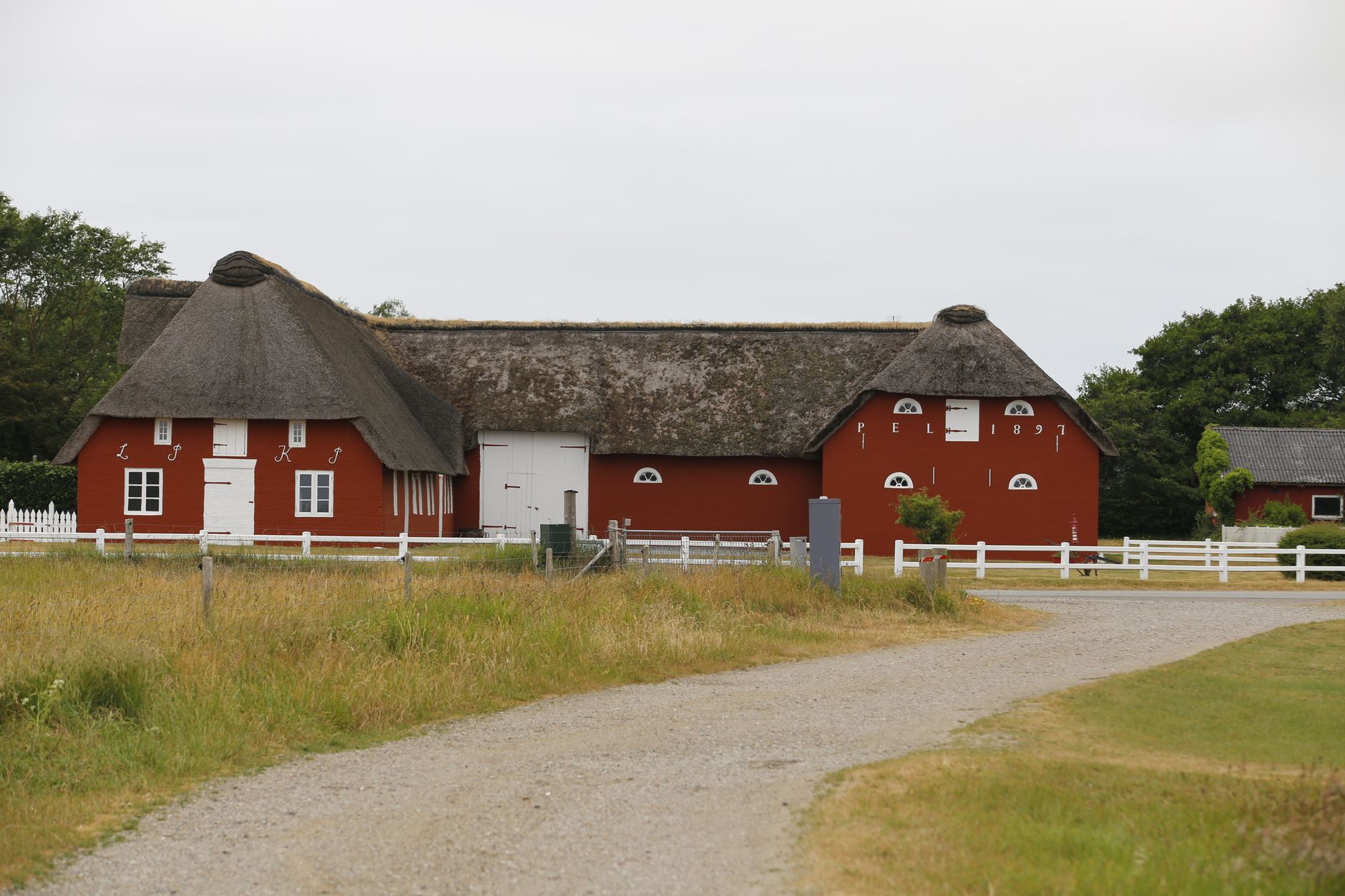
The Farmhouse They Left Me At
“Don. You are my son and I loved you and I failed to make you into a man, and I have made my peace with both of those things. You spent forty years ashamed of me for living in a house you thought was beneath you, and you spent nine summers dumping your own daughter on me like she was a dog you couldn’t board, and every one of those summers was the best thing that ever happened to that girl and the worst indictment of you, and you never once noticed either.
“You want to know where my money is. It’s in Lynn. Not left to Lynn. In her. I poured it into that child every summer you threw her away, and she took it and she built something with her own two hands that will still be standing when this whole town is gone, and that is the only inheritance I ever cared about leaving, and I already left it, years ago, and there is not one dollar of it any of you can touch, because it was never dollars. It was her.
“The properties are handled and it’s none of your business how, and if that makes you angry, good, be angry, it’s the most honest you’ve been in years. But you will not stand at my funeral and call that girl a stranger. She was the only one of you who ever came out to that porch. She came every summer you sent her, and then she came the summers nobody sent her, and she was there last Tuesday, and where were you.
“Lynn. Baby. Stand up straight. You never needed them to come back, and you don’t need this to be pretty, and you don’t owe anybody in this room one splinter of what you built. Now somebody get the child a real cup of coffee, not that church urn poison, and everybody go home.”
The speaker clicked off.
Nobody moved. My father’s face had gone the color of ash. My mother was staring at the floor. And Chase, forty two years old, was looking around the room the way he had looked at me through the car window thirty five years earlier, waiting for someone to fix it, and no one was going to.
And then his daughter stood up. Chase has a daughter, fourteen, named Madison, who I had met exactly twice, a quiet girl who had spent the whole funeral watching everything with the still, careful eyes of a kid who has learned to read a room because her survival depends on it. I know those eyes. I had those eyes. And Madison stood up in that silent basement, next to her father, and she said, in the clear carrying voice of a child who has finally decided to stop being careful, “Dad, is that why you never let me visit Aunt Lynn. Because you did the same thing to her that you do to me.”
She was not asking. You could hear that she was not asking.