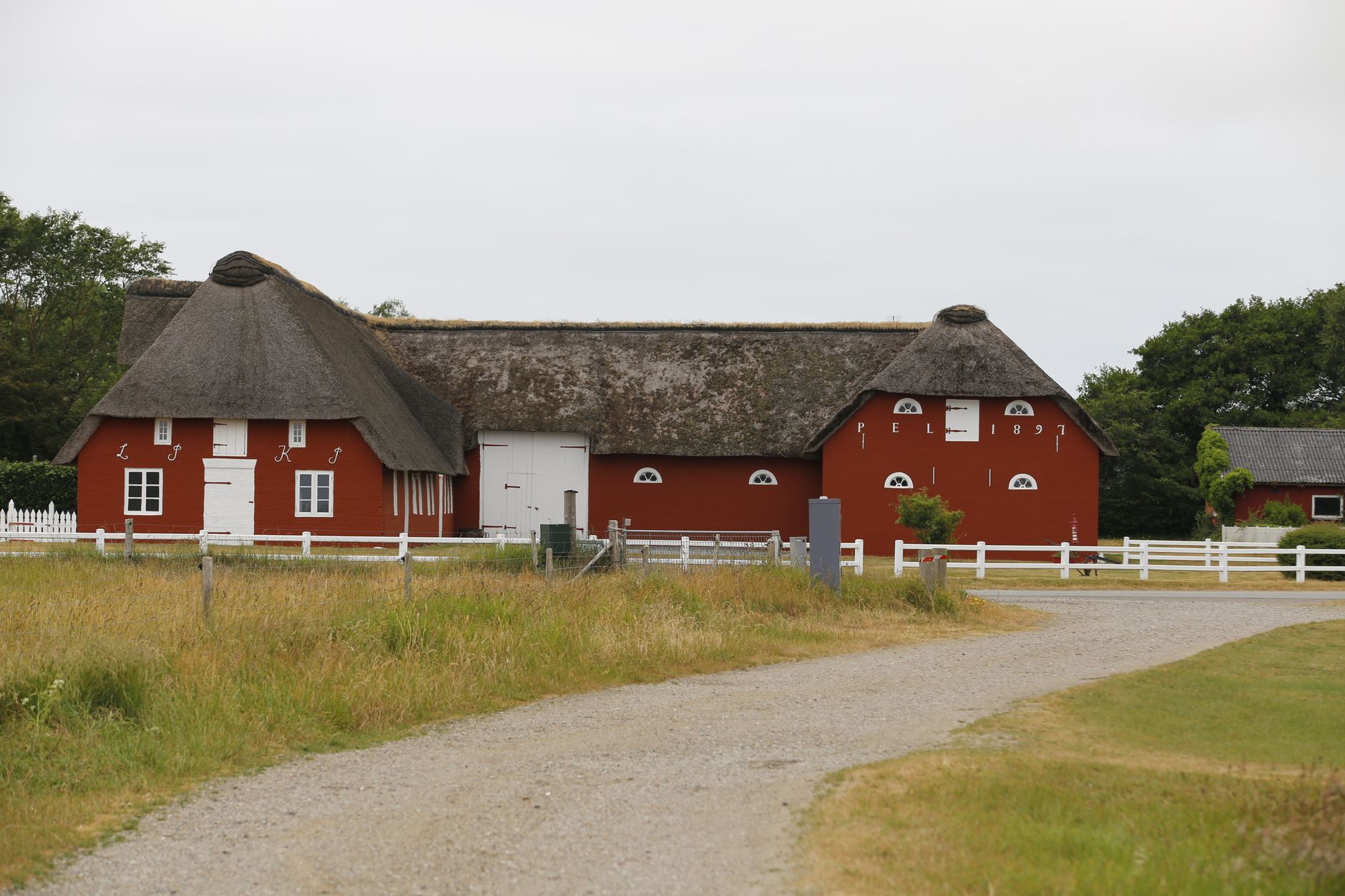
The Farmhouse They Left Me At
The whole town heard it. My brother’s own daughter, saying out loud the thing about my brother that my grandmother had spent a recording circling and that I had spent thirty five years unable to say, and she said it as a question that everyone in the room knew was an answer, and it landed in that basement like a beam dropped from a roof.
Chase did not have anything to say. That was the end of it, really. Not a check, not a courtroom, not a document. A fourteen year old girl who saw it clearly and was brave enough to say it in front of people, and a dead woman who had made sure the whole town was in the room to hear.
I did get Madison a real cup of coffee. We went upstairs, away from all of them, and I sat with my brother’s frightened, honest daughter at a folding table in the empty sanctuary while the basement emptied out below us, and I told her about the trash bag and the driveway and the summers, and she told me some things too, and I gave her my number, the real one, and I told her what Vera had told me the summer I was seventeen. I told her she was going to inherit the only thing that mattered, which was knowing she was not crazy, that she had seen it right, and that there was a whole life waiting for her the day she was old enough to walk out that same driveway I had walked out of.
My parents lost the house in Coldwater that fall. I did not stop it. I thought about it, on Vera’s porch, which is mine now, drinking Vera’s coffee, watching Vera’s weather come across the fields, and I decided that a debt I did not sign for is not mine to pay, and that you cannot buy back people who only want you when you are useful, and that my grandmother had already answered the question, on a recording, in front of the whole town, in a voice that did not shake.
Chase and I do not speak. But Madison does. She is sixteen now, and she comes out to the farm most summers, and I have handed her a pair of work gloves three sizes too big, and I am teaching her to measure twice and cut once, and to read a closing statement, and to know when somebody is using shame to take from her something she should keep.
She got a splinter last June, the size of a toothpick, and she cried, and I pulled it out with my teeth and told her, “There. Now we’ve both cried today,” and it was a lie, because I had not, and it made her laugh, and that was the beginning.