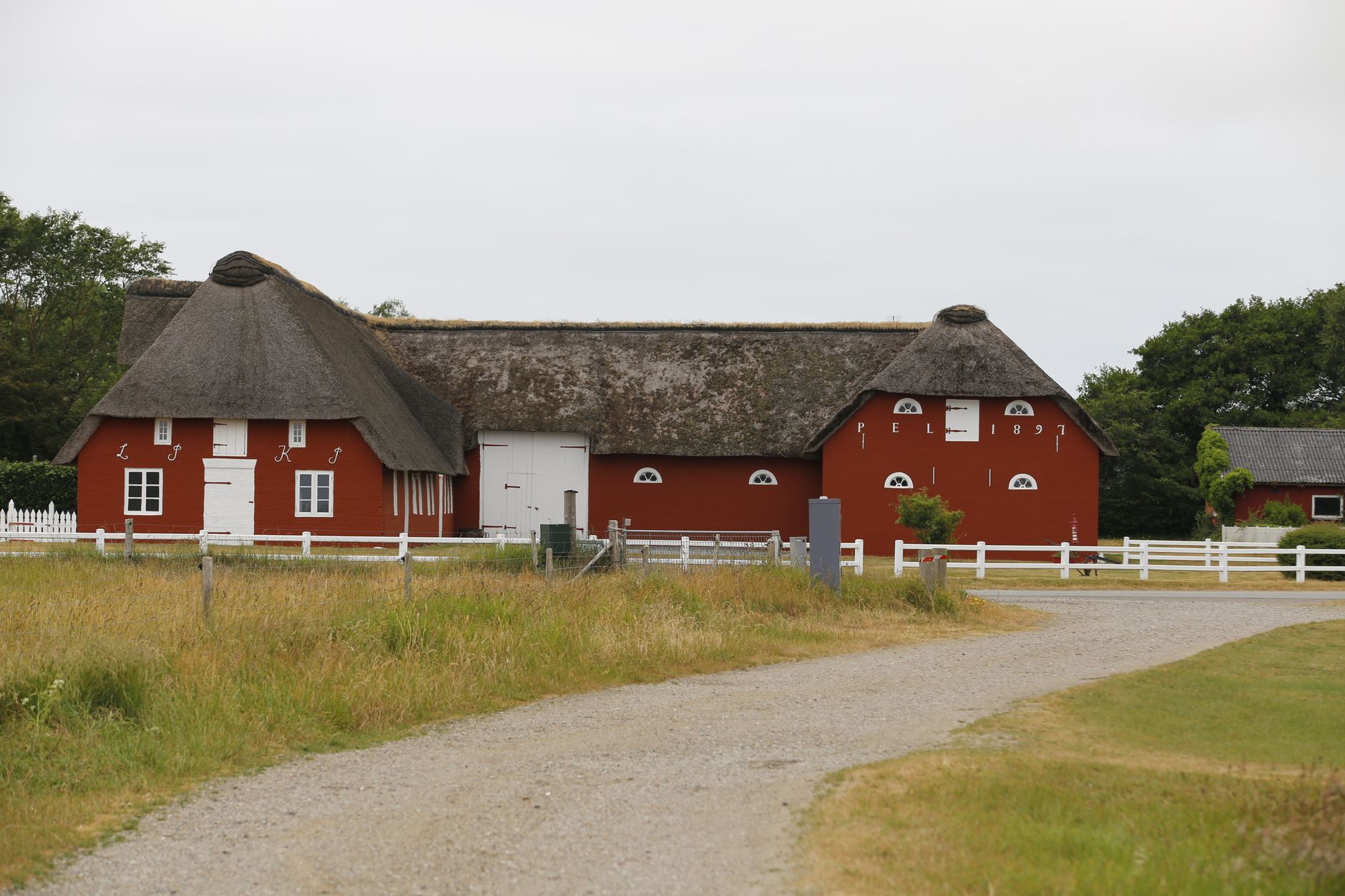
The Farmhouse They Left Me At
“Your grandmother’s agreed to take you,” my mother said, smoothing the front of her blouse the way she did when she had already decided a thing and did not want to discuss it. “Try not to be difficult for her.”
My father did not hug me. He looked at his watch. And Chase rolled his window down two inches, just enough, and said the sentence that he would use, in one form or another, for the next nine summers. He said, “Maybe this year we’ll get one good family picture.” And then they backed out of the driveway and drove away to Florida, and I stood there with a trash bag of clothes, and I did not cry, because I had been told not to, and even at ten I understood that my tears were an inconvenience they had planned around.
A hand came down on my shoulder. It was my grandmother Vera.
I have to tell you about Vera, because the whole rest of this story is really about her, and because my family got her exactly as wrong as they got me, and for the same reason. To Don and Patty, my grandmother was a failure and an embarrassment, a widow who lived alone on a run down farm forty minutes out of town with a sagging porch and a barn roof that leaked and no husband and no money, as far as they knew. Dumping me at Vera’s for the summer was not just convenient. It was a punishment, for both of us. My mother thought she was sentencing me to three months of boredom and hardship with a bitter old woman in a house that was falling down.
She had no idea who Vera was.
Vera had spent forty years as a general contractor, back when there was exactly one woman doing that in three counties and she was it. She had built houses, barns, additions, whole main street storefronts. And when her knees gave out on the heavy work she did not quit, she started buying. Distressed properties, tax sales, foreclosures, the ugly houses nobody wanted. She would buy them for nothing, fix them with her own two hands and a rotating crew of local men who would have walked through fire for her, and she would rent them or flip them, and she had been doing it quietly for twenty years. My grandmother owned, by the end, most of a town. She lived on that run down farm because she liked it, because the porch was where she drank her coffee and watched the weather come across the fields, and because letting people underestimate her had been the single greatest advantage of her long life and she was not about to give it up for the sake of nicer furniture.
My father truly believed his mother was poor, right up to the end. That tells you everything about my father.