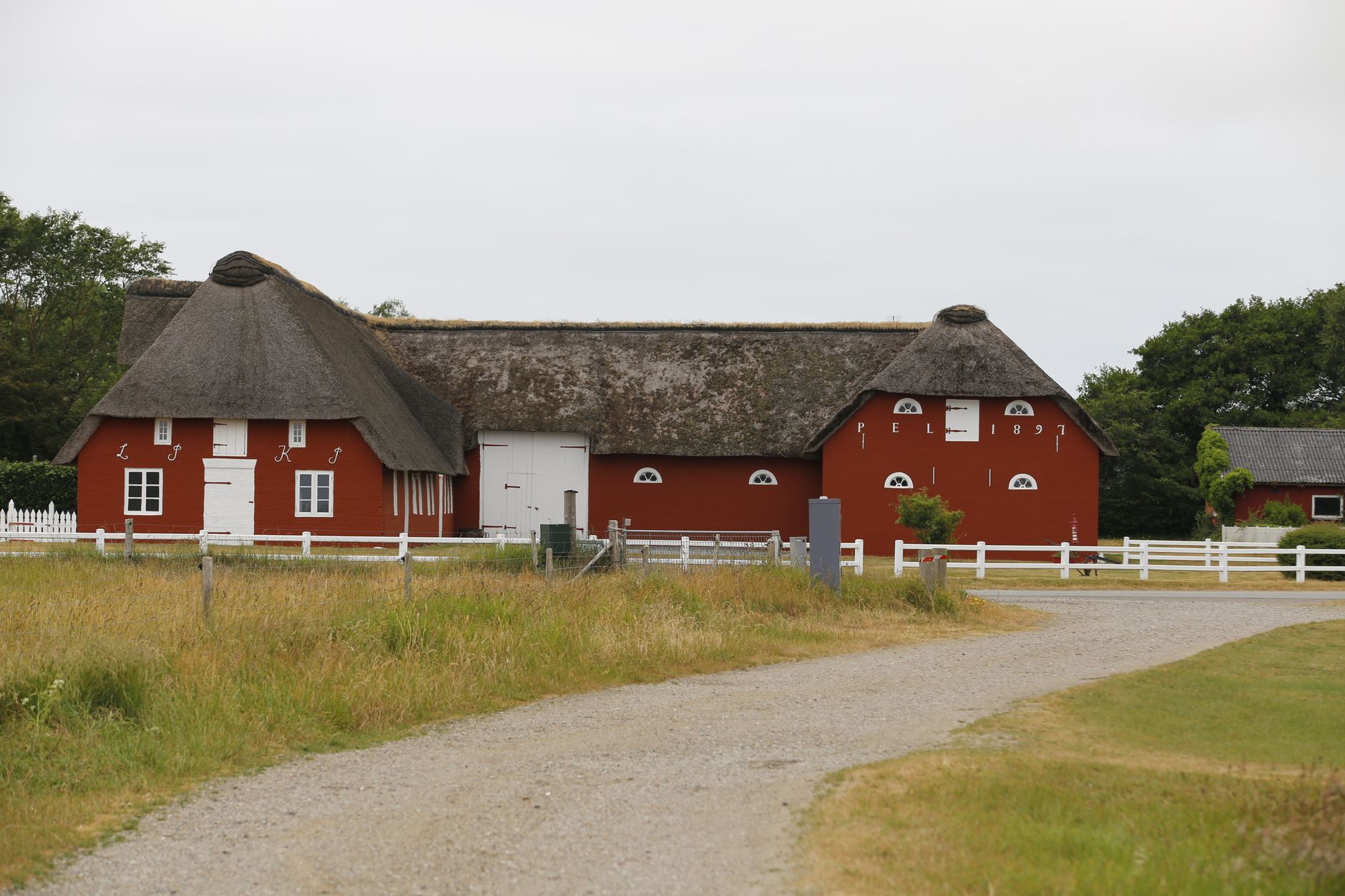
The Farmhouse They Left Me At
Chase had, over about a decade, run through every dollar my parents had and a great many they did not. He had started businesses that failed, taken loans against the house to fund them, borrowed against my father’s insurance renewals, and finally, the thing that lit the fire under all of it, gotten himself into debt with people who do not send voicemails, and my parents had co signed and re mortgaged and drained their retirement to keep bailing him out, the way they had bailed him out of everything his whole life, and now the house in Coldwater, the house with all the pictures of Chase on the wall, was going into foreclosure, and they had run out of dumb daughters to leave things to and clever sons to spend them.
So they wanted me. Or rather, they wanted two hundred thousand dollars, and they had remembered they had a daughter.
My mother’s voicemails were a masterpiece. She did not open with the money. She opened with love. Family is everything, Lynn. We’ve missed you so. Your father isn’t well. We should never have let so much time pass. And then, layered in underneath, the ask, always framed as my chance, finally, to be part of the family, as though a two hundred thousand dollar wire transfer were a seat at the table they had never once set for me. And Chase left one, exactly one, and it was not an apology, it was Chase saying, “Hey, Lynnie, been way too long, we should catch up, also, kind of a crazy situation over here, call me back.”
I did not call any of them back. Not out of cruelty. I want to be clear about that, because I spent a lot of nights being sure I was the villain of my own story, the cold rich woman withholding money from her drowning parents, and I called Vera about it, and Vera, who was eighty seven by then and sharp as a chisel, listened to the whole thing and then said, “You don’t owe a debt you didn’t sign for. And you don’t buy back people who only want you when you’re useful. Send your mother a fruit basket if your conscience needs feeding. Don’t send her your life.”
I sent nothing. And then Vera died, and everything came to a head, in a church basement, in front of the whole town.
Vera passed in her sleep on that farm the winter after, ninety years old, in the bed she had been born in, which is a thing almost nobody gets anymore and she would have said she earned it. And her funeral was in Coldwater, at the Lutheran church where she had been a member for seventy years, and it was the biggest funeral that town had seen in a decade, because it turned out that the failure my parents had been embarrassed by had quietly held half the town together for two generations. The men who had worked her crews came, old now, in their good shirts. The families who lived in the houses she had fixed and rented to them below market for years because she liked them came. The banker she had terrified came. They filled the church and then they filled the basement for the lunch afterward, hotdish and bars and coffee in the big steel urn, the whole heartland liturgy of grief.