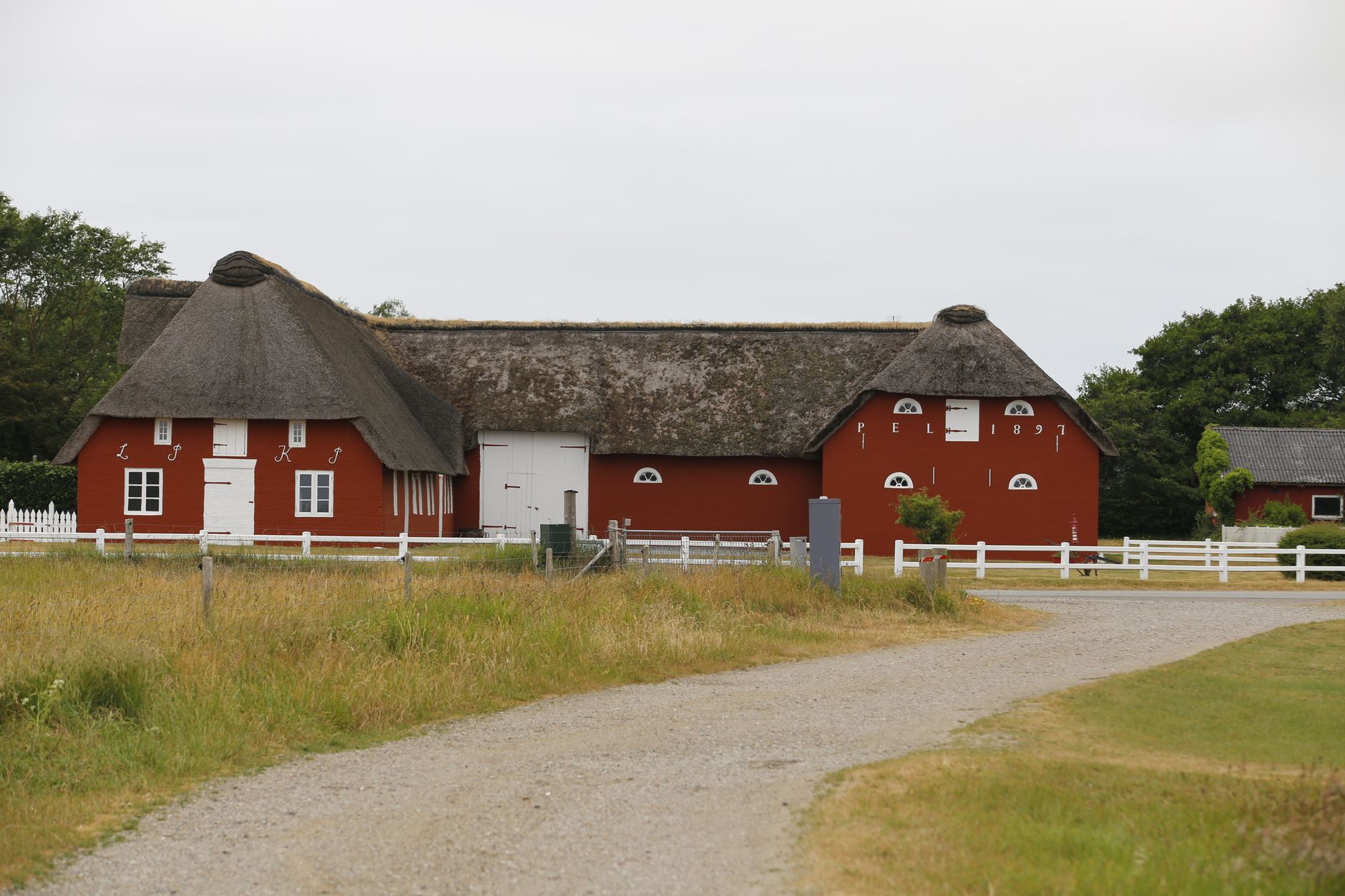
The Farmhouse They Left Me At
And my family came, because it was their mother and grandmother too, and because, I would learn, they thought there might be something in it for them.
Here is what I did not know, standing in that receiving line accepting condolences from people who had known and loved a woman my parents had thrown away. My parents believed Vera had money. They had spent Vera’s whole life believing she was poor, but somewhere in the last year, chasing my two hundred thousand dollars, my father had finally done the arithmetic on all those “worthless” properties his mother owned, and he had realized his poor embarrassing mother had been sitting on a fortune the entire time, and he had convinced himself, and my mother, and Chase, that as her son he was owed the lion’s share of it. They had not come to that funeral to grieve. They had come to collect. And they had come braced for a fight with me, because in their story I was the scheming one, the one who had gotten close to the old woman for exactly this reason.
They did not fight me over it in the receiving line. My mother hugged me, in front of people, a long performance of a hug, and said loud enough to be heard, “Oh, Lynn, whatever’s happened between us, we’re family, and family sticks together at a time like this,” and I understood she was laying groundwork, building a witness list, so that when the money talk started I would look like the cold one if I pushed back.
It came to a head over coffee in the basement. Chase cornered me by the dessert table, and my parents drifted over, casual, and Chase, who had not spoken a real sentence to me in twenty years, said, “So obviously we all need to sit down and talk about Grandma’s estate. As a family. Because Dad’s her son, so legally most of this is his anyway, and honestly with everything going on we kind of need it to move fast.”
And my father, right behind him, said the sentence that I think he had been rehearsing, said it quiet but certain, said, “Vera would have wanted her family taken care of. All that property, that’s Nelson property. You made yourself a stranger, Lynn. You don’t get to swoop in now.”
I want you to picture this. My grandmother’s coffin was still warm in the ground. The men who had loved her were fifteen feet away eating hotdish. And my father was standing over her funeral lunch telling me that I, who had spent nine summers and my whole adult life at that woman’s side, was the stranger, and that he, who had not visited her in years, who had called her a failure my whole childhood, was owed everything, because he was owed things, because he had always been owed things and someone had always paid.