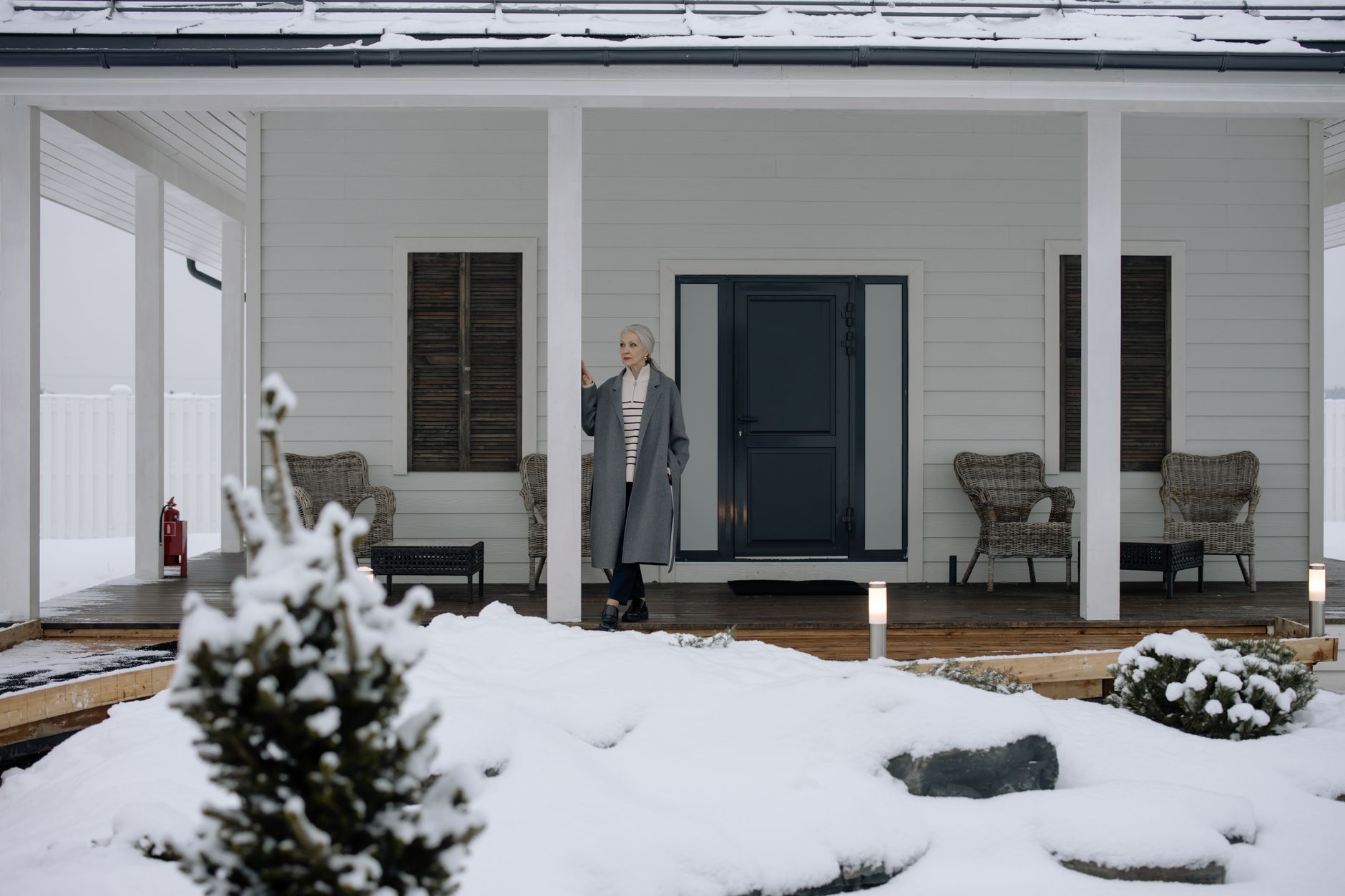
The Widow They Moved To The Shed
What Benjamin chose
He did not say anything at the fellowship hall. To his credit, he understood, even in that moment, that whatever needed to happen next did not need to happen in front of the whole congregation and the coffee urn. He drove us both home in near silence, Willa in the front seat beside him for the last time in that configuration, and that evening, after I had gone back out to the shed out of habit more than anything else, he came and found me there and sat down on the edge of the cot across from me like a much younger man than his forty one years.
“I let this happen,” he said. “I told myself I didn’t have room to see it because Dad was dying. That’s not true. I had room. I just didn’t want to look.”
I did not need him to apologize at length. I have never needed a long accounting from my own son. I needed, mostly, to watch him actually do something rather than say something, and over the following two weeks he did. He told Willa she needed to find her own place, calmly, without theater, the way his father used to end an argument by simply stating the fact of a decision rather than debating it further. She left for her sister’s place two counties over within the month, and whatever conversations happened between them about the marriage itself happened where they belonged, privately, between the two of them, and none of my business beyond the plain fact that she no longer lived under my roof.
I moved back into my own bedroom the same week she left. Benjamin carried my two suitcases in from the shed himself, without being asked, and set them at the foot of my bed, and stood in the doorway for a moment looking at the room like he was seeing it clearly for the first time in two years.
“I should have carried these back in a long time ago,” he said.
“You’re carrying them now,” I told him, and that was the end of that conversation, because some things do not need to be worn smooth with more words than they require.