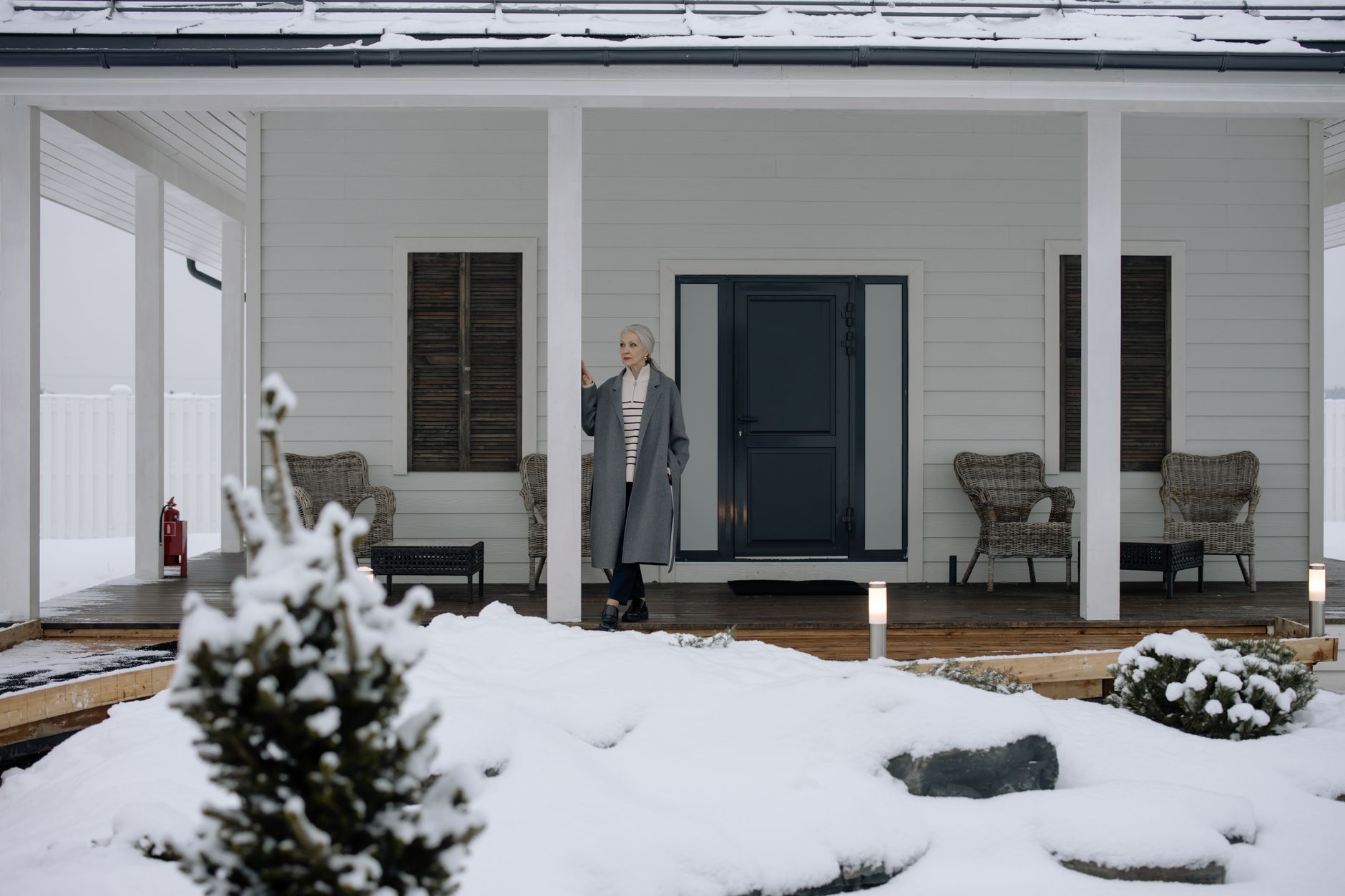
The Widow They Moved To The Shed
What she heard through the wall
She told it to me plainly, without embellishment, the way a person tells you something they have rehearsed in the car on the drive over because they know if they do not get it out quickly they will lose the nerve to finish it.
The week before Billy died, she said, Willa had taken to standing in the hallway outside his room during the overnight hours, on the phone, low voiced, assuming that a dying man on oxygen and an exhausted wife catching an hour of sleep in the next room were the only two people close enough to hear anything at all. She had not been talking to Benjamin. She had been talking to somebody the nurse did not recognize by voice, somebody she called by a name the nurse did not catch clearly enough to repeat, and what she said, more than once, across those three nights, was this.
That once the insurance cleared, she and Benjamin were finally going to have the money to do something about me. Not help me. Do something about me. She had already asked around, quietly, about how a person goes about getting an older relative evaluated for memory concerns, mentioning specific phrases the nurse remembered because they had struck her as clinical, rehearsed, the language of somebody who had looked something up rather than somebody worried about a parent’s actual wellbeing. She had talked about the house, about how much easier everything would be once it was just her and Benjamin in it, about a nail counter she wanted to open in the strip of shops near the marina once there was capital behind her, about somewhere with people my own age, said in a tone the nurse described as pleased with itself, satisfied, the tone of a woman describing a plan already well underway rather than a possibility she was still weighing.
And on the last of those three nights, with Billy asleep and breathing shallow beside her, Willa had laughed, quietly, at something the person on the other end of the line had said, and told them that timing, at least, had finally worked out in her favor.
I did not say anything for a long moment after the nurse finished. I have turned over a great many cruel sentences in my life, sentences said to me directly, sentences I could argue with or forgive or simply absorb, and there is a particular kind of cold that comes from learning a cruel sentence was said about you in a room where you were technically present and entirely unable to hear it.
“Why didn’t you say something sooner,” I asked, not unkindly, because I understood the answer before she gave it.
“Because I did not know yet what she’d actually do,” the nurse said. “People say ugly things under stress that they never act on. I was not going to ruin what was left of your husband’s last days by starting a war in that hallway over something that might have stayed talk. But she acted on it. Four days after the funeral, she acted on it. So now I’m telling you.”
Mr. Aldrich’s desk
The following Wednesday, Benjamin drove me into the county seat to the small insurance office two doors down from the bank, run for as long as I have been alive by the same family, currently by a heavyset, careful man named Mr. Aldrich who had sold Billy that very policy himself thirty years before and had known us both since before Benjamin was born. Willa insisted on coming along, sitting in the back seat of Benjamin’s truck the whole drive with the particular stillness of a woman trying very hard not to look like she was counting anything.
Mr. Aldrich sat us down across the desk from him, pulled a thin folder toward himself, and told us, in the plain, unhurried way he tells everybody everything, that the policy Billy had carried with his company for the last three decades of his life would pay out forty thousand dollars, structured the way Billy had set it up years earlier, split so that thirty five thousand would come to me directly and five thousand would go, per Billy’s own long standing instruction, to the volunteer fire department building fund, because Billy had ridden along on that department’s boat rescues for a decade after his knees gave out on the shrimper and never stopped feeling like he owed them something for the two nights they pulled boats and men out of the bay during storms nobody else would go out in.