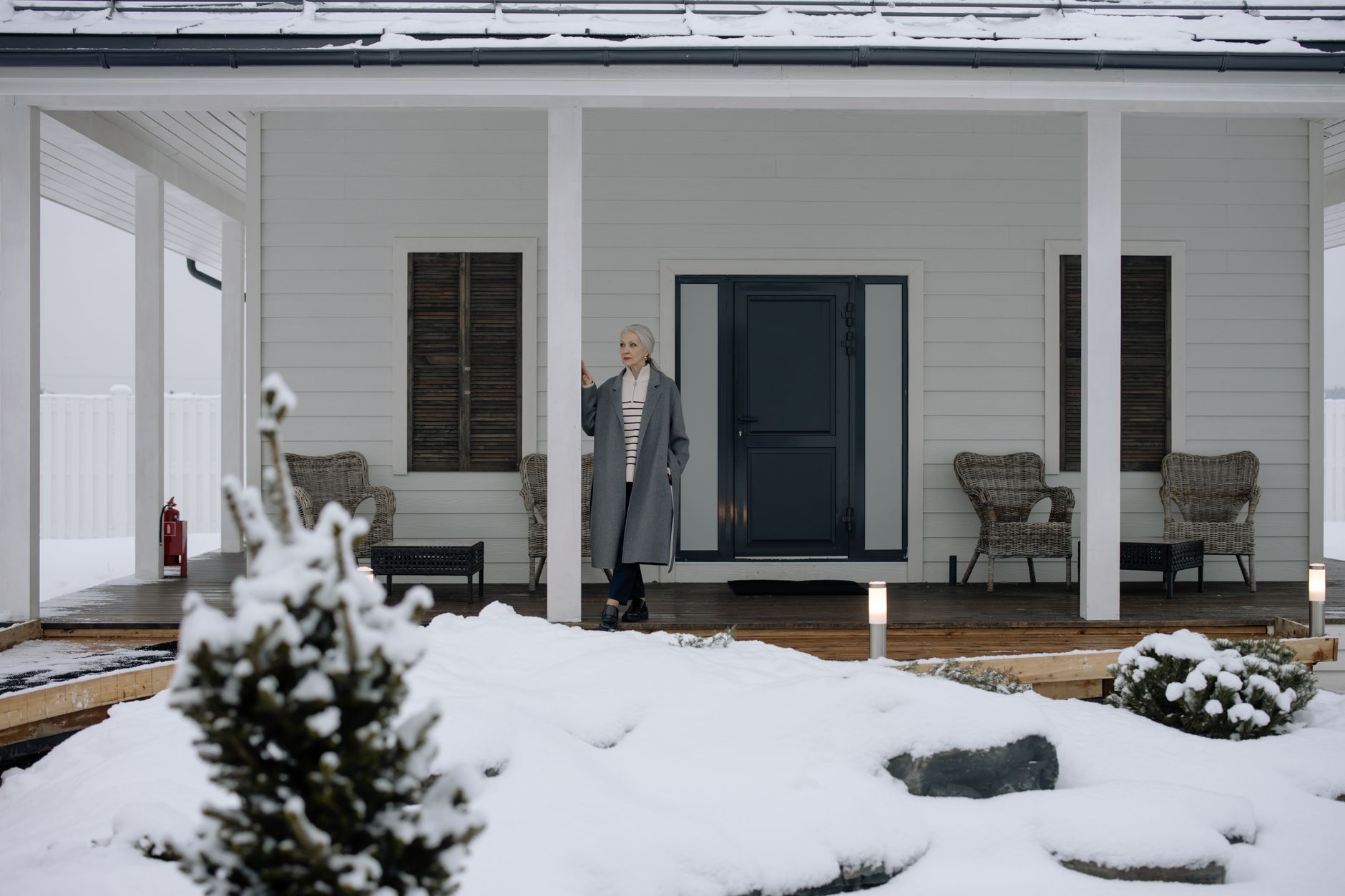
The Widow They Moved To The Shed
Back in my own bed
The recipe box could not be replaced, not really, not the actual cards in my mother’s handwriting or my sister’s, and I have made a kind of peace with that loss the way you make peace with the losses that cannot be undone, by keeping what memory of them you can and not pretending the gap does not exist. But three of the church women, once they heard the whole story, brought me their own versions of recipes I had lost, written out fresh in their own hands, and I have started a new box with those, which is not the same thing at all, but is its own kind of good.
We used the five thousand dollars exactly the way Billy intended, toward the volunteer fire department’s new boat bay, and there is a small plaque going up this spring with his name on it, which the fire chief tells me will hang near the door where the crews suit up before a call, which feels like the correct place for a man who spent a decade of nights on their boat to end up remembered.
I kept the rest, thirty five thousand dollars, in the plain, ordinary bank account it has always lived in, and I have not spent much of it, because at sixty eight, with a paid off house and a son who now calls most Sunday evenings just to talk rather than to manage me, I do not need much. I go to the potluck. I sit on my own porch in the evenings and watch the sprinklers next door hiss on their schedule the way they did the day we buried Billy, and it does not gut me the way it did that first week, because grief, like everything else, finds its own smaller shape eventually if you let it.
What I never mentioned
People still ask me sometimes, carefully, whether I regret letting the rumor about Billy’s money grow as big as it grew before it collapsed on its own weight. I have thought about that question honestly, more than once, and the truest answer I have is that I do not regret the silence itself. I regret, a little, the year it cost me, the recipe box, the linen closet key I never got back, the two years my own son spent looking past small cruelties because he had convinced himself a fortune at the end of them would make the discomfort worth it.
But the money itself was never the thing anybody in that story actually wanted, not really. Willa wanted a number. I wanted, in the end, only what Billy had quietly built for me all along without ever needing to announce it: a paid off roof, a modest, honest sum set aside with care, and a son who finally looked hard enough at his own house to see what had been happening in the back room of it.
The money I never mentioned was never a secret because I was protecting a fortune. It was never mentioned because it was small, and ordinary, and entirely, quietly enough. Some people spend a lifetime chasing a number somebody else invented for them. I have spent mine, in the end, simply keeping the one Billy actually left me, and finding out it was more than enough.
This story is a dramatization. Names, characters, and details are invented, and any resemblance to real people or events is coincidental.