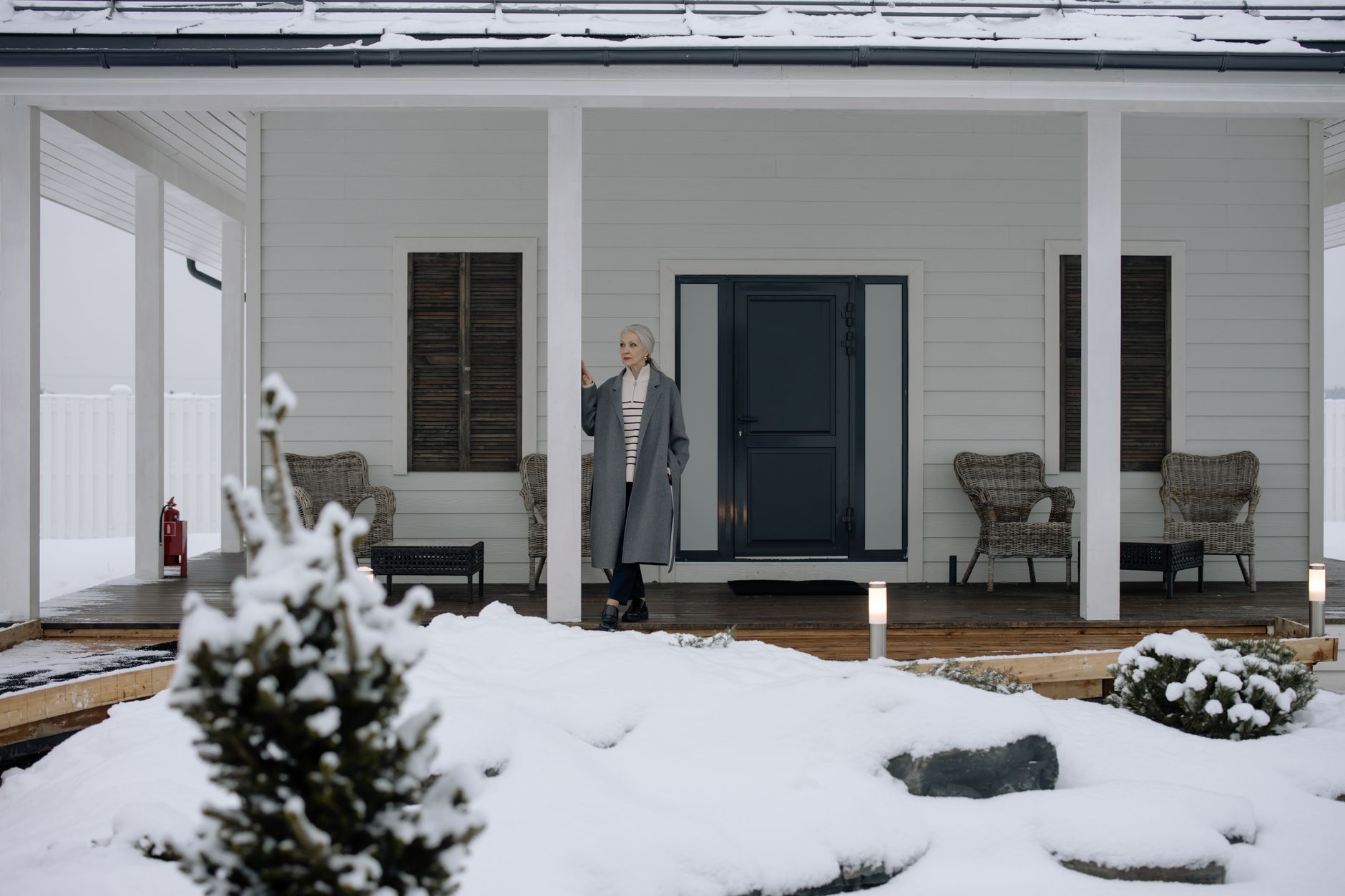
The Widow They Moved To The Shed
The number nobody asked me to say
Forty thousand dollars. That was the whole truth of it, the number sitting quiet at the bottom of a policy Billy had carried since before our son was born, and in forty four years of marriage I never once had to say it out loud to a living soul, because nobody ever asked me directly. They asked around me. They asked Willa, and Willa answered for both of us, and I let her, because by the time it mattered I was too tired to spend what little breath I had left correcting a rumor that cost me nothing to leave alone.
I am Ursula. I am sixty eight years old, and I have lived my whole life two streets back from the water in Ingram Bay, a shrimping town on the south Texas coast small enough that the volunteer fire department still calls out names over a radio scanner half the town keeps on in the kitchen. My husband Billy ran the bait shop and the little marine supply counter attached to it for thirty one years, after four years in the Navy and a stretch on a shrimp boat that ruined his knees before he turned thirty. We paid this house off in nineteen years of Fridays where we did not go out to eat, because Billy believed a paid off roof was worth more than anything a bank could offer you in exchange for owning a piece of your life.
We were not poor. We were also not what this town, by the end, had convinced itself we were.
I want to tell this from the beginning, because the shed only makes sense if you understand the year that came before it, and because I think somewhere in the middle of that year I stopped being a person to my own daughter-in-law and started being an obstacle standing between her and a number she had invented herself.
The long dying
Billy’s lungs started failing two winters ago. It came on the way those things do in a man who spent three decades breathing engine exhaust off the back of boats, slow at first, a cough that did not clear by spring, then a doctor’s office in the county seat with a look on the doctor’s face that told us more than his words did. By that summer he needed oxygen at night. By the following spring he needed it most of the day.
My son Benjamin and his wife Willa moved in with us that first winter, into the two back rooms that used to be Benjamin’s own boyhood bedroom and the sewing room I had used for thirty years. Willa framed it as help, and for the first few months it was help, real help, the kind where somebody else drives to the pharmacy at ten at night and you are grateful down to your bones.
Somewhere in the second year, the help started to look like something else.
It started small enough that I did not have a name for it at the time. Willa reorganized the kitchen while I was at the hospital with Billy for a bad week, and when I came home my spice rack was gone, replaced with hers, and my recipe box, the one my own mother had given me, the one with forty years of cards in my mother-in-law’s handwriting and my sister’s and my own, had been emptied into a donation bag by the back door. She told me she was making more counter space. She told me this while looking directly at me, in a voice as pleasant as if she were offering me a glass of tea.