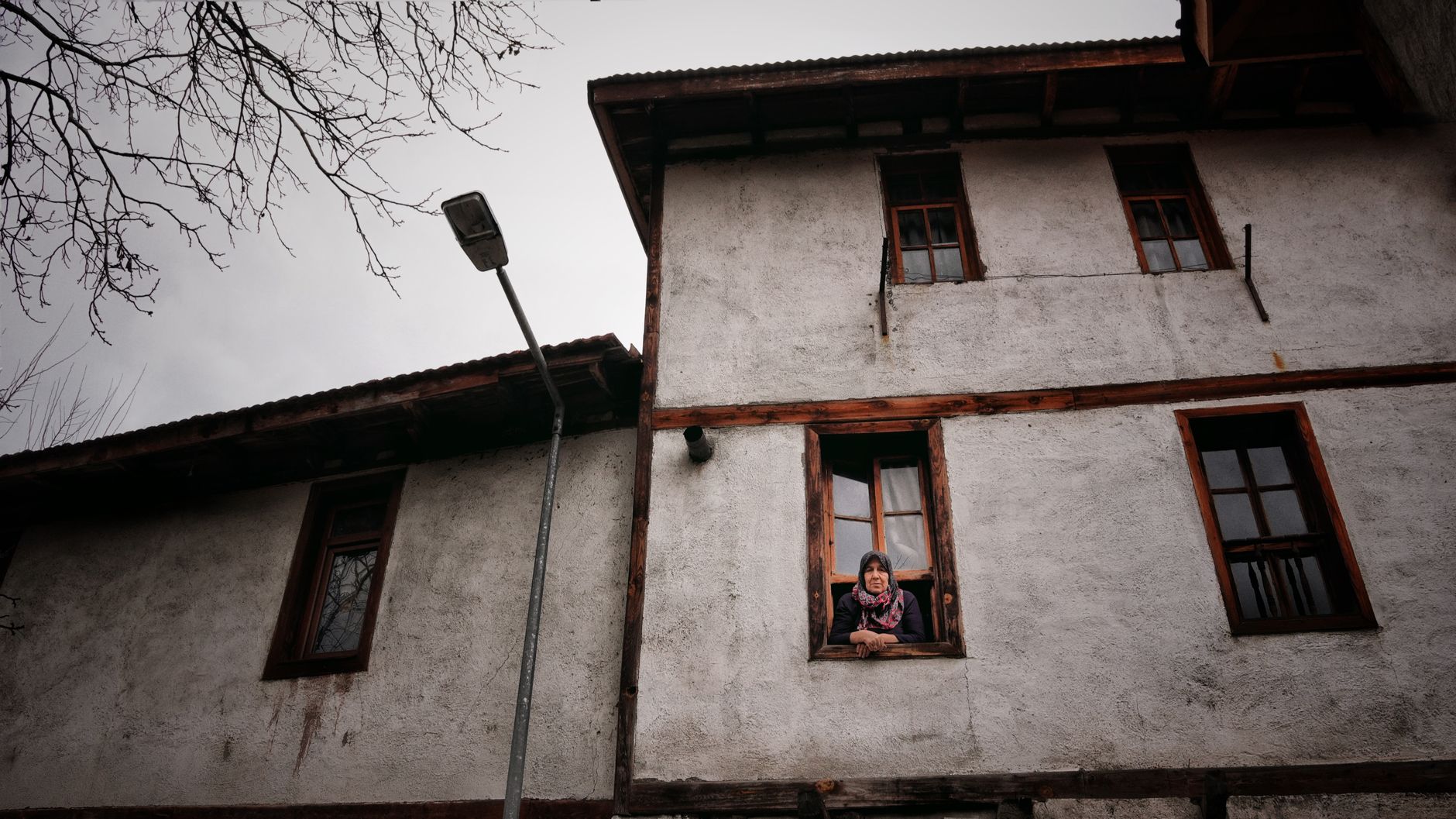
The Lamp I Left in the Window
“I counted eleven,” I said. My voice sounded very small in my own kitchen. “Eleven people ever knocked.”
“Yes, ma’am,” said Dorsey Pohl. “I know. That’s the thing.”
He turned his cap around once in his hands.
“I was one of the others,” he said.
It went quiet at the table. Megan had stopped moving, with the baby against her shoulder.
“January of 1991. I was nineteen. I’d been to see a girl in Scotia, and I took the Lone Tree cutoff because I thought it was faster, and a mile east of here I went off the road at the bottom of the ridge, just like these folks. My father’s truck. I wasn’t hurt. But I had no business on that road, and my father was going to kill me.”
He almost smiled.
“So I got out and I walked, and I saw your light. I walked right up to your gate, Mrs. Haverkamp. I stood out there by the mailbox. And I could see you through the kitchen window, in the back, standing at the sink in a blue robe with your hair in a braid, and I thought, if I knock, she’ll call my father. And then I thought, she’s up. She’s up and standing at her sink and she doesn’t even know I’m here.”
I did remember that night, the sink and the sleeplessness. I did not remember him. I had heard a truck go by earlier and never given it another thought.
“I went back and sat in the truck,” Dorsey said. “I ran the engine ten minutes at a time. I was cold, and I was sick about my father’s truck, but I want you to know, I was not afraid. Not for one minute. I could see your window out the back glass the whole time. Somebody was awake. Somebody knew the road was out there. I sat in that cab and watched that light till the sky went gray, and nothing in the world could have happened to me.”
His voice had gone rough. He stopped. He started again.
“I’ve plowed this road for twenty-two years because of that light, and I never told you. I’d come by in the middle of the night, and you’d have the window lit, and I’d lift my fingers off the wheel, like that, and I thought you knew. I thought that was enough.” He wiped his eyes with the heel of his hand, a big, plain, unembarrassed gesture, the way a man wipes sweat. “It’s not enough. I should have knocked on your door a long time ago and said thank you.”
I got up, and I went around the table, and I did what I would have done for Wayne. I put my hand on the back of his neck, where the skin was cold from the plow cab. I left it there.
Nobody else in the kitchen said a word. The only sound was the furnace.