The Lamp I Left in the Window
When the power went
At ten past two, the lights went out.
It did not flicker. It was just gone, the furnace fan winding down, the refrigerator giving up its hum, the whole house dropped into a dark so complete that I could hear the baby take a breath.
And the lamp in the window went out with the rest.
I have been through that eleven times in forty years. I have a drill for it. I got up out of my chair and went by feel across the front room, around Verner’s chair, into the kitchen, along the counter to the pantry. I took down the Aladdin lamp. I struck a match and held it to the mantle, and the light came up slowly the way it does, a soft cone of yellow, hissing a little.
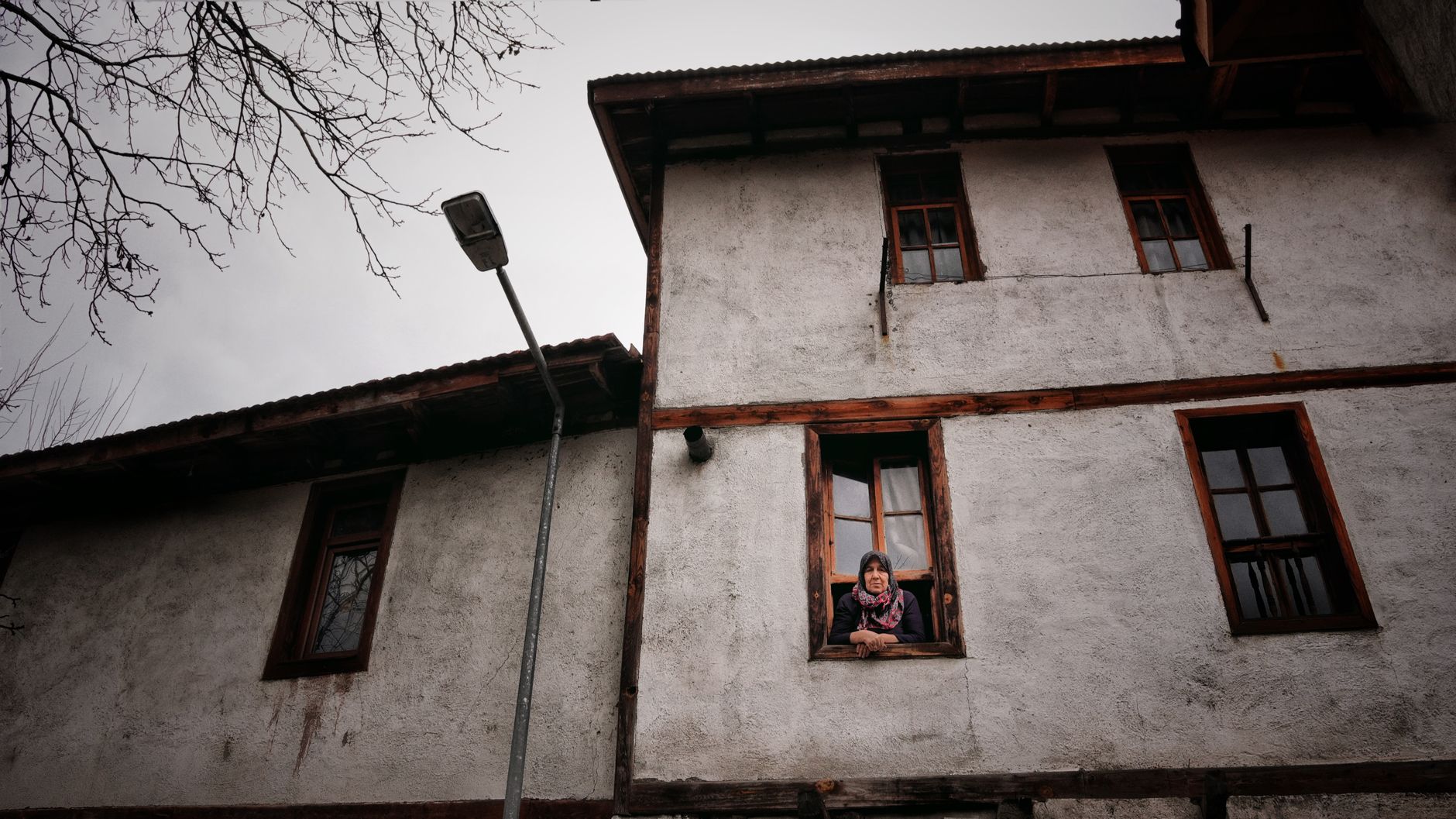
I carried it back into the front room with two hands, like a cake, and set it on the shelf in the window beside the milk-glass lamp, which had gone dark. I turned the wick up, and the window was lit again.
It took maybe a minute and a half. I had done it eleven times and never thought anything of it. It is just what you do, the way you leave a plate in the oven for a man who may come in late.
When I turned around, Tyler was standing in the doorway to the hall.
He was in his socks and a flannel shirt of Verner’s that I had pulled out of the cedar chest for him. He was twenty-nine years old, he told me later, and he was a lineman for the power district, which I had not known until that moment.
“You do that every time?” he said.
“Whenever it goes out.”
“All night?”
“Till it’s light.”
He looked at the Aladdin lamp for a while. The flame made his face look older.
“I almost didn’t knock,” he said quietly. “When I got to your gate, I stood there. I thought, it’s one o’clock in the morning, the old woman’s asleep, the light’s just a light. People leave them on. We’ll go back to the car and wait for the plow.” He shook his head. “Two or three minutes I stood out there. It felt like too much to ask of somebody.”
“What made you?”
“The baby coughed,” he said. “That’s all. She coughed inside my coat.”
I looked at him, and I looked at the flame, and I thought of Alma Tuttle, and Verl at the corner of his fence, and the young man who had stood at my gate for three minutes deciding whether he was allowed.
“It’s not too much,” I said. “That’s what it’s for.”
I heard how that sounded, and I let it stand.
“I know that now,” Tyler said.
He sat up with me a while in the other chair. Neither of us said much. The wind went on. The power did not come back.