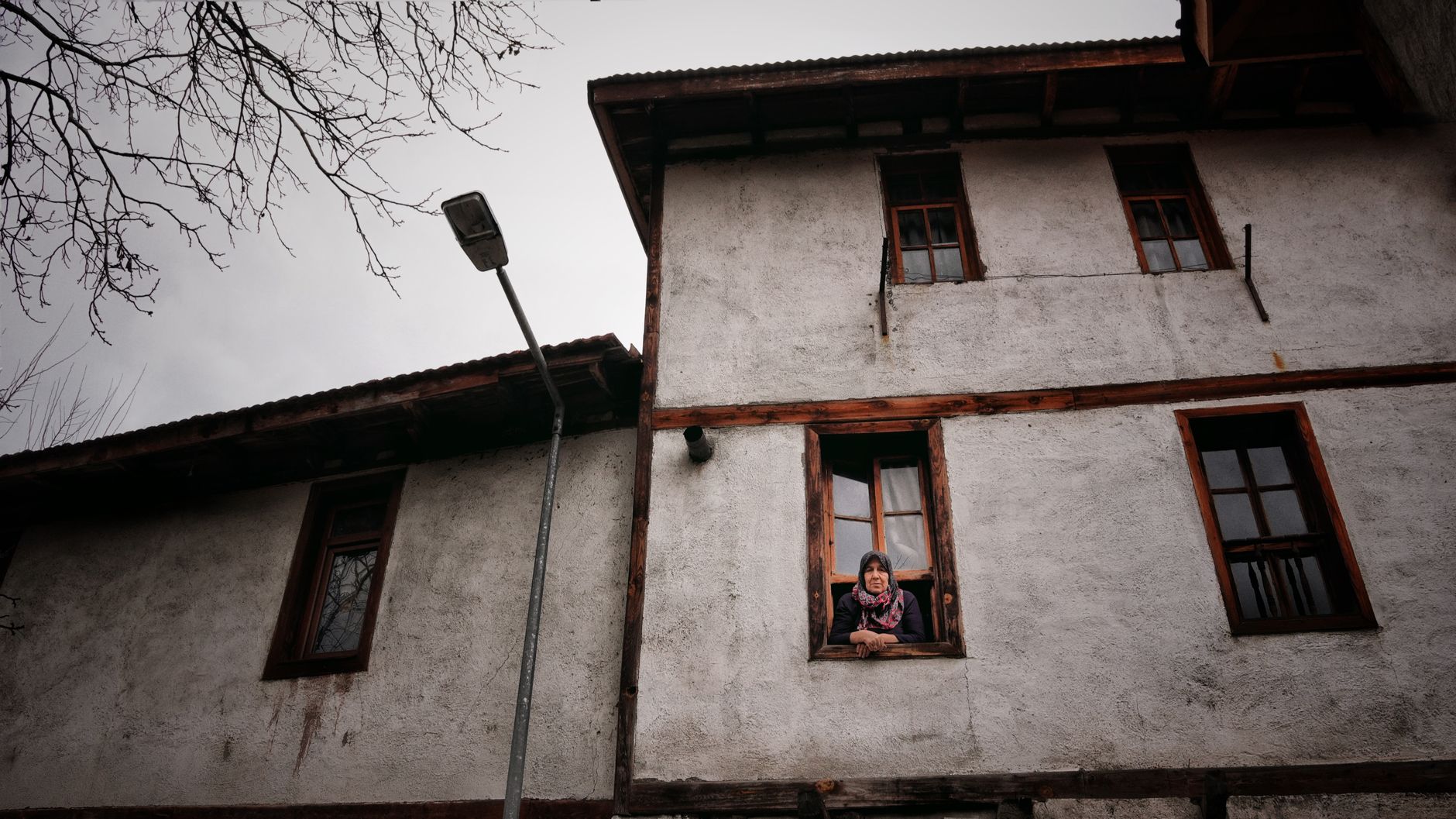
The Lamp I Left in the Window
Eleven knocks
People ask what I thought would happen. Whether I sat up waiting.
I did not. Alma never told me what the lamp was for, and I never needed her to. I thought of it the way Verner did, like a fence post you set at a corner so the next man knows where the property stops. I did not picture a person. It was just a window with a light in it, on a road with nothing else.
Verner used to grumble about the electric bill, mostly to hear himself.
“Forty watts,” he said. “Dot, that’s a dollar and a half a month burning for the benefit of nobody.”
“Then you won’t mind,” I said, “that it’s burning for you.”
He quit grumbling after that, and I noticed that when he came in from chores in the dark, he looked at the window before he looked at the door.
In forty years, eleven people knocked on my door at night because of that lamp.
I counted. I am a person who counts, I suppose. I kept the number in pencil on the last page of the kitchen calendar, and every year when the new calendar came from the elevator I copied it over. Eleven. I can tell you most of them.
A seed corn salesman from Iowa, in 1988, with a flat tire and no spare. A hunter with a broken wrist, who sat at my table and apologized the whole time. A family of six from Kansas, driving to a funeral in Sargent, who slept in a row on the front room floor like loaves. A seventeen-year-old girl with a duffel bag, about whom I will say only that I made her cocoa and did not ask, and that her mother called me the next afternoon from a town I had never heard of, and neither of us said a great deal. A woman by herself, in 2011, who sat in Verner’s chair for an hour without speaking and left a jar of her own peach jam on the table when she went.
The last knock was nine years ago. A man whose truck had quit. He used my phone and was gone in forty minutes.
So that is what forty years of lamplight added up to. Eleven strangers at the door, a good many cups of coffee, and a jar of jam.
I never thought it was a small number. But I will tell you what happened in my mind after Thanksgiving, because it is the part I am least proud of.
Wayne and Pam had me down to Lincoln for the holiday. Wayne is my son, fifty years old, an engineer for the state, and the best man I know besides his father. He sat across from me at their table with a piece of Pam’s pumpkin pie and said it very gently, the way you say something you have practiced in the car.
“Mom, nobody uses that road anymore.”
“Somebody does.”
“Everybody’s got a phone, with the map on it. Nobody is going to knock. Nobody has knocked in nine years. And you’re out there by yourself, twelve miles from town, with that heat bill and that knee.”
“It is forty watts.”
“It’s not the lamp. It’s you, Mom. There’s a place in Grand Island, Meadowview. In April, when the weather turns, we could just go look at it.”
I said I would think about it. And I did. I thought about it the whole drive home with the heater going and the radio off, and what frightened me was how reasonable it sounded.
Because the other thing I thought, somewhere around Central City, was something I had never let myself think before. I thought: what if I am not keeping the lamp for the road at all? What if I am keeping it for Verner? What if it is only a way a widow has found to be busy at five o’clock every evening, and I have been calling it a kindness for six years because that sounds better than loneliness?
I did not like that thought. It rode in the passenger seat the whole way home, and that is why I stood with my hand on the key on the fourteenth of January.