The Last Load Out of Delmore
The first was that the radio was not broken. Somebody had told them all to keep off channel 19, and they had, because they did not want to spoil it, and every one of those forty-odd drivers had kept their mouths shut for twenty miles.
The second was that Luanne had been planning this for at least two months.
I put my hand over my mouth. I drove the last four miles with my right hand over my mouth and my left on the wheel, at about eleven miles an hour, because I could not have gone faster if you had paid me.
I will tell you what I worked out later, because I did not know it that morning.
It was Corbin who started it. He had been keeping a list for years, in a notebook of his own, of every driver who carried a thumper with my pen-tip lettering on the handle. In August he found out it was my last season. He called Jodene. Jodene called Efrain. Efrain called Kirby, who said he would come if somebody would lift his chair into a pickup. By Labor Day there were sixty-three names on the list and one rule, which Dewey Pohlman enforced like a sheriff: nobody says one word to Ansel Voth.
Orlan Sprouse agreed to close the elevator pit for two hours on a harvest morning, which in October is like asking a dairyman to skip a milking. Glenna Fenske and Luanne picked the farm and the date and the bin. They chose milo because it was the same crop as my first load.
And Luanne was the best liar of the lot. For two months she sat across the kitchen table every evening and listened to me say I was not going to make a fuss, and she nodded, and after I was asleep she went to the phone in the sewing room.
I came around the last bend, where the blacktop meets the county highway at Delmore, and I saw the elevator.
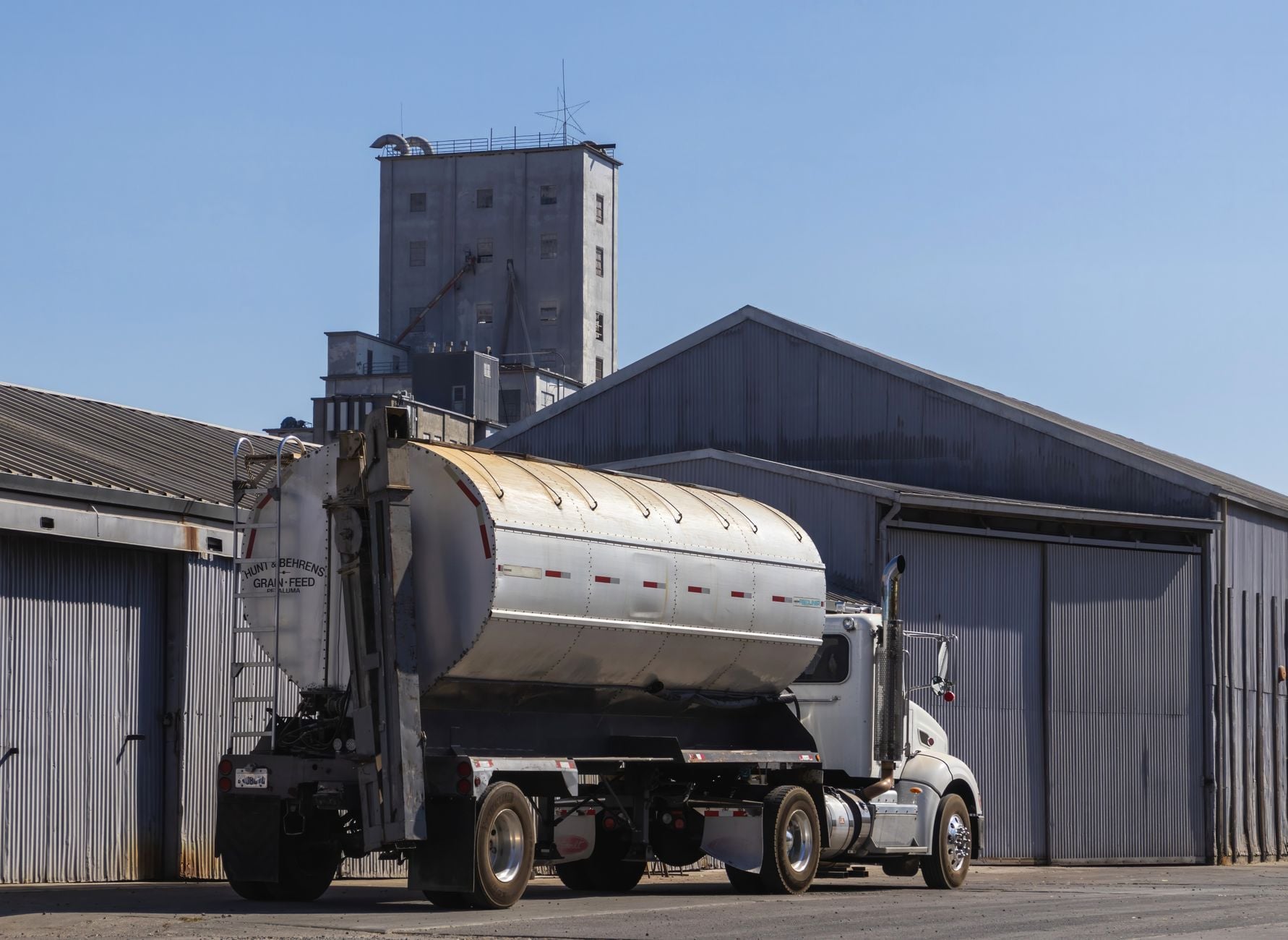
It is not much to look at. A concrete headhouse eighty feet tall, a leg that whines like a dentist’s drill, four steel bins from the seventies. On a normal harvest morning there is a line of grain trucks a quarter mile long waiting to dump, every driver with a thermos and a deck of cards.
That morning there was no line. The yard held nothing but trucks, parked in two long rows with an aisle down the middle, the way they park for a funeral. Grain haulers, pots, flatbeds, a milk tanker from the dairy in Gypsum, a school bus. All of them had their hazards going. All of them had been washed. Somebody had washed sixty trucks in the middle of harvest.
The radio crackled at last.
“Ansel.” It was Corbin. His voice was not steady. “Take the gate slow.”
I took the gate slow.
I am going to tell this part as plainly as I can, because I have found there is nothing I can add to it.
Orlan Sprouse was standing on the scale, which I have driven onto ten thousand times, and he had his hat off. He had on a tie. I did not know he owned a tie. When I rolled onto the platform and stopped, he came around to my window and looked up at me.