The Fence Line Between Two Brothers
The last post
We set the new corner together.
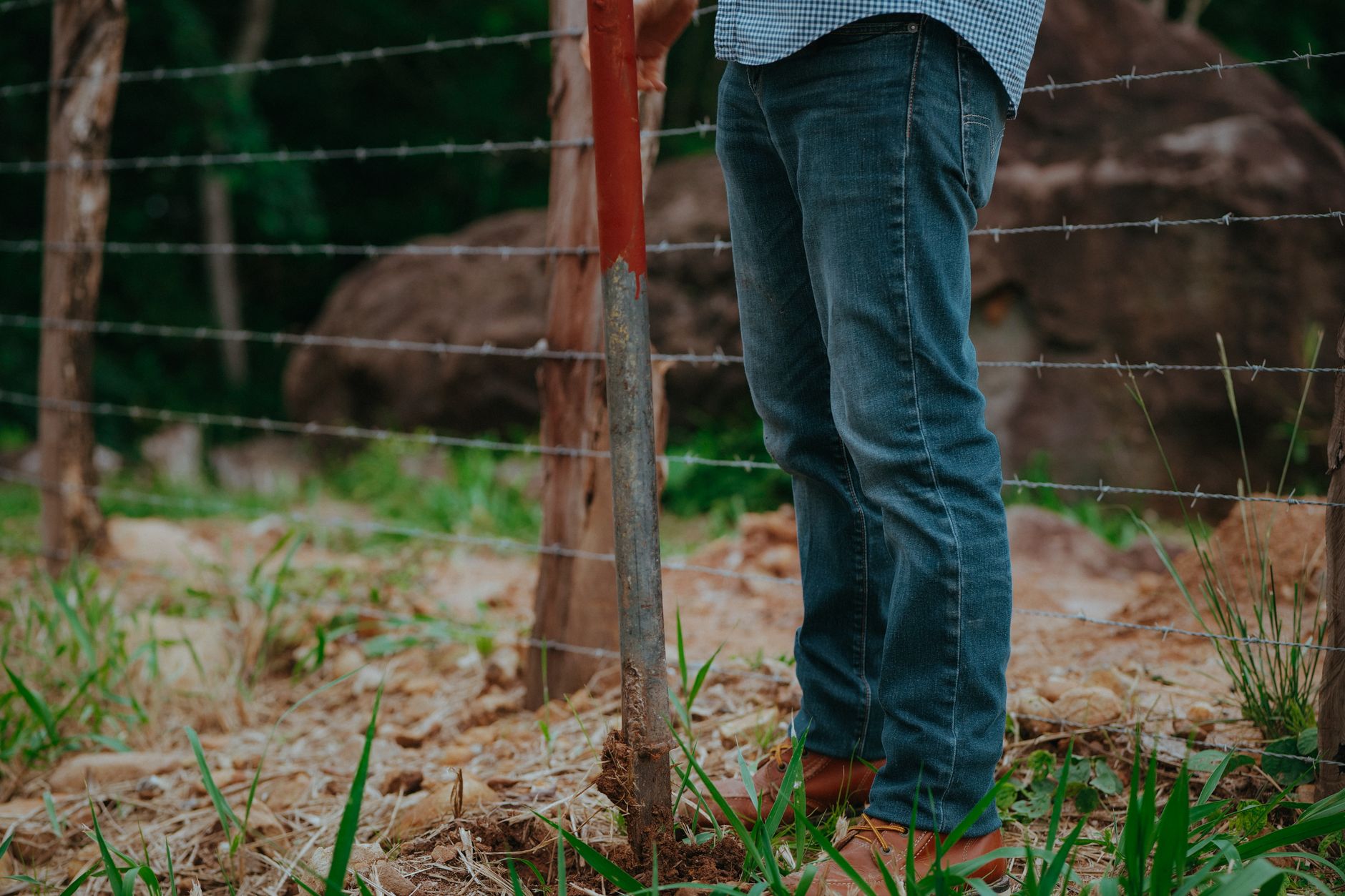
It was a hedge post, a good one, cut from my own windbreak and cured two summers behind the shop. I had cut it for something else and never found the use. We dropped it into the hole, and Curtis held the plumb line while I tamped, and I tamped in layers, a shovel of dirt and then the bar, a shovel and then the bar, until the post stood in the bank hard as if it had grown there. He checked it with the level out of his own truck, and then, I swear, with his eye, the way Dad used to.
“Eleven clicks,” I said.
He didn’t laugh. But he made a short sound through his nose, and that was a good deal more than I had gotten from him in a long time.
We built the H-brace out of two rails and a cable, and we ran the last of the wire across the creek apron and stapled it at the post. The sun had cleared the cottonwoods by then, and the whole length of the fence ran away from us up the hill toward the creek gate, four strands of tight new wire, silver in the light. Half a mile of it. The wire sang when I flicked it with my finger. It sang a note I knew, a low one, the same note I used to hear from my bedroom window in October with my brother breathing in the other bed.
When the last staple went in, Curtis said, “Is that the thermos?”
I went up to my truck and brought it down. Dad’s Stanley. I had filled it that morning without thinking, and the coffee was still hot enough to steam. I unscrewed the steel cup and poured, and I held it out.
He took it. He drank. He turned the cup in his hand and found the dent in the rim with his thumb. Dad put that dent there in 1988, backing the hay truck over the thermos in the yard, and spent the next twenty-eight years insisting it was the thermos’s fault. Curtis ran his thumb along the dent and I watched him do it.
He handed it back to me. I drank what was left.
Then we sat down on the bank, side by side, with our boots in the weeds and the mud on our knees going gray in the sun. We did not say anything for maybe ten minutes.
About eleven-thirty, a dust trail came up the lane. Joan’s silver Buick. She had driven up from Topeka that morning, after Curtis left in the dark, with a casserole in the back seat, because my wife had called her after the rain and the two of them had been working on this since. I found that out later. I did not know it then. I only saw the Buick stop at the creek gate and the door open, and Joan stand there with her hand over her mouth, looking down the bank at the two of us.
She cried quietly into her palm for a minute. She did not come down. I think she understood, better than I did, that it was not hers to interrupt. Then she took the casserole out of the back seat, and set it on the tailgate of Curtis’s truck, and went to find Marilyn’s number in her phone.