The Fence Line Between Two Brothers
What Dad left
Our father, Alvin Eckhardt, died on the last day of January at ninety-one. He went in his own bed, in the farmhouse he was born in, with the hospice aide in the kitchen working a crossword. I was the one who found him. I was the one who called Curtis, and I want that on the record, because it matters later. I called him the minute I was sure. He answered on the second ring and said, “I’m on my way,” and he was in the driveway in an hour and a half.
We stood in the same kitchen that morning, Curtis and I, and the only things we said to each other were about the funeral home. Which one. What time. Whether Dad would want the Legion to do the flag. We sounded like two men renting a car.
Two weeks after the funeral we sat in Dennis Schaible’s office on the second floor over the bank on Oregon Street, in two chairs with a third one empty between them, and Dennis read us the will.
It was short. My father never wasted paper. The home quarter, one hundred sixty acres, was to go to his two sons in equal shares. The farmhouse and the buildings were part of it. There was a little money in the bank in town, enough to bury him and a bit over.
That was all. No clauses, no conditions, no stern speech from beyond the grave. Dennis took off his reading glasses and said we had no deadline for anything, that we could hold the land together, sell it, divide it, rent it out, whatever the two of us could agree to. He said it gently, because he knew exactly how likely that agreement was. Dennis has been our family’s lawyer since I was in high school.
Then he said, “There’s one more thing,” and slid a yellow sheet across the desk.
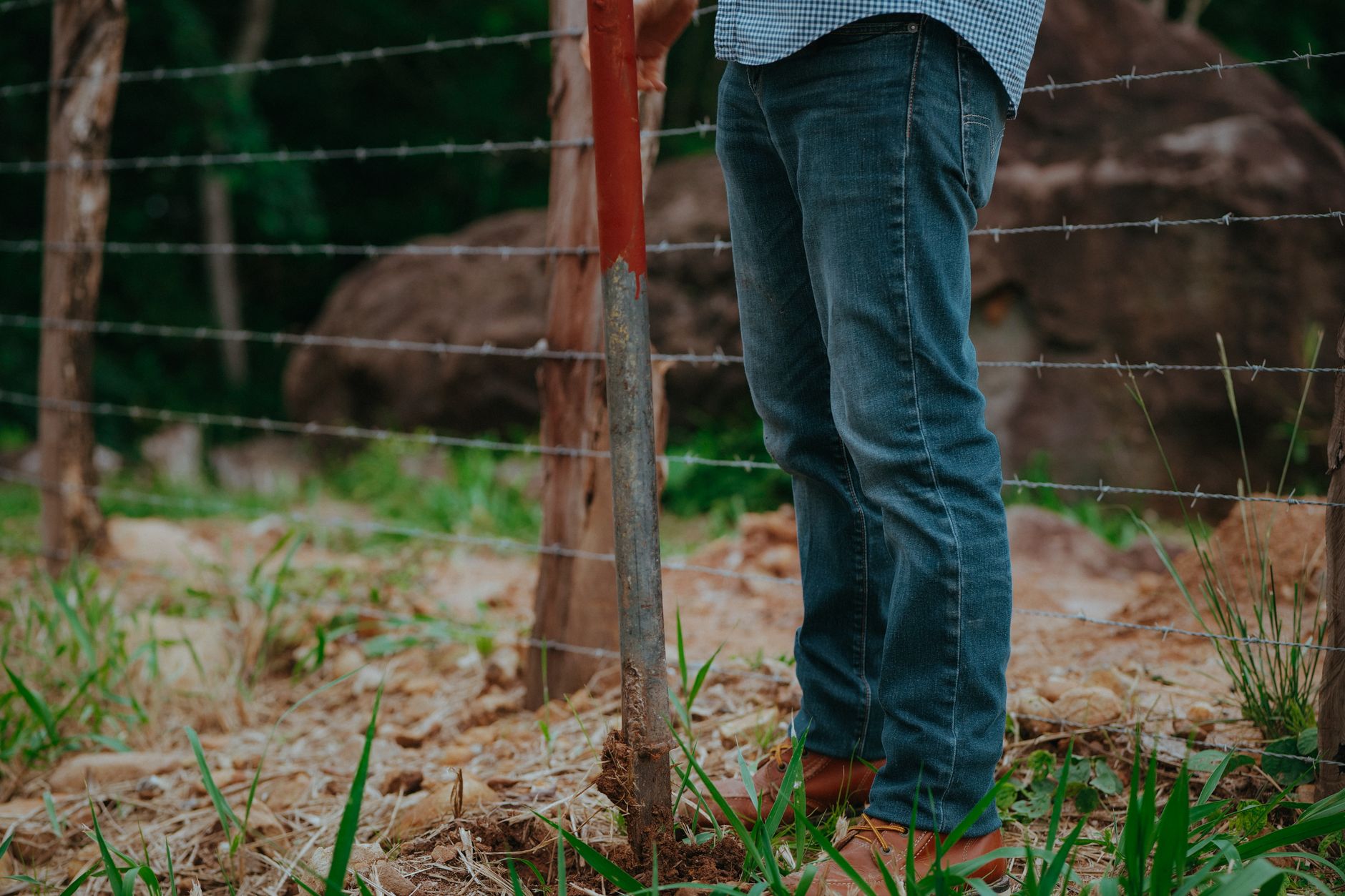
It was torn from a feed store pad, the kind the co-op hands out free in the spring with their name printed across the top. My father printed everything in square capitals, even his grocery lists, with a pencil he sharpened with a pocketknife, so the lines came out thick and slow. It said that the line fence between the north eighty and the south eighty was down in five places. It said the corner post at the creek was rotted through. It said Alton’s heifers had been over twice. Then it said, Fix it before you decide anything else about the place, and he signed it Dad.
Nothing else. Not “I love you.” Not “get along.” A list of fence problems, like he was leaving us instructions for feeding the cat.
“That’s not binding,” Dennis said. “I want you to know that. It’s not a condition of anything. He just asked me to put it in with the papers.”
Curtis reached over and took the sheet from the desk. He read it once. He folded it in thirds, the way you fold a letter, and put it in the pocket of his shirt, and buttoned the pocket.
I did not argue. I did not ask for a copy. I had already read it three times upside down.
We walked out together because the stairwell was narrow. At the bottom I held the door and he said, “Thanks,” to the door, and I said, “Yep,” to the parking lot, and we drove away in two directions.
I thought he would sell. I want you to know that too. I thought he would call Dennis within the week and have the quarter listed, because what did a retired state bridge inspector in Topeka want with eighty acres of Brown County pasture, and I was already doing the arithmetic on whether Marilyn and I could scrape together enough to buy him out. We could not. I thought maybe that was what the note was for. Fix the fence, get a better price. I did not think my father would do that to me, but I was sixty-four years old and angry enough to think almost anything.