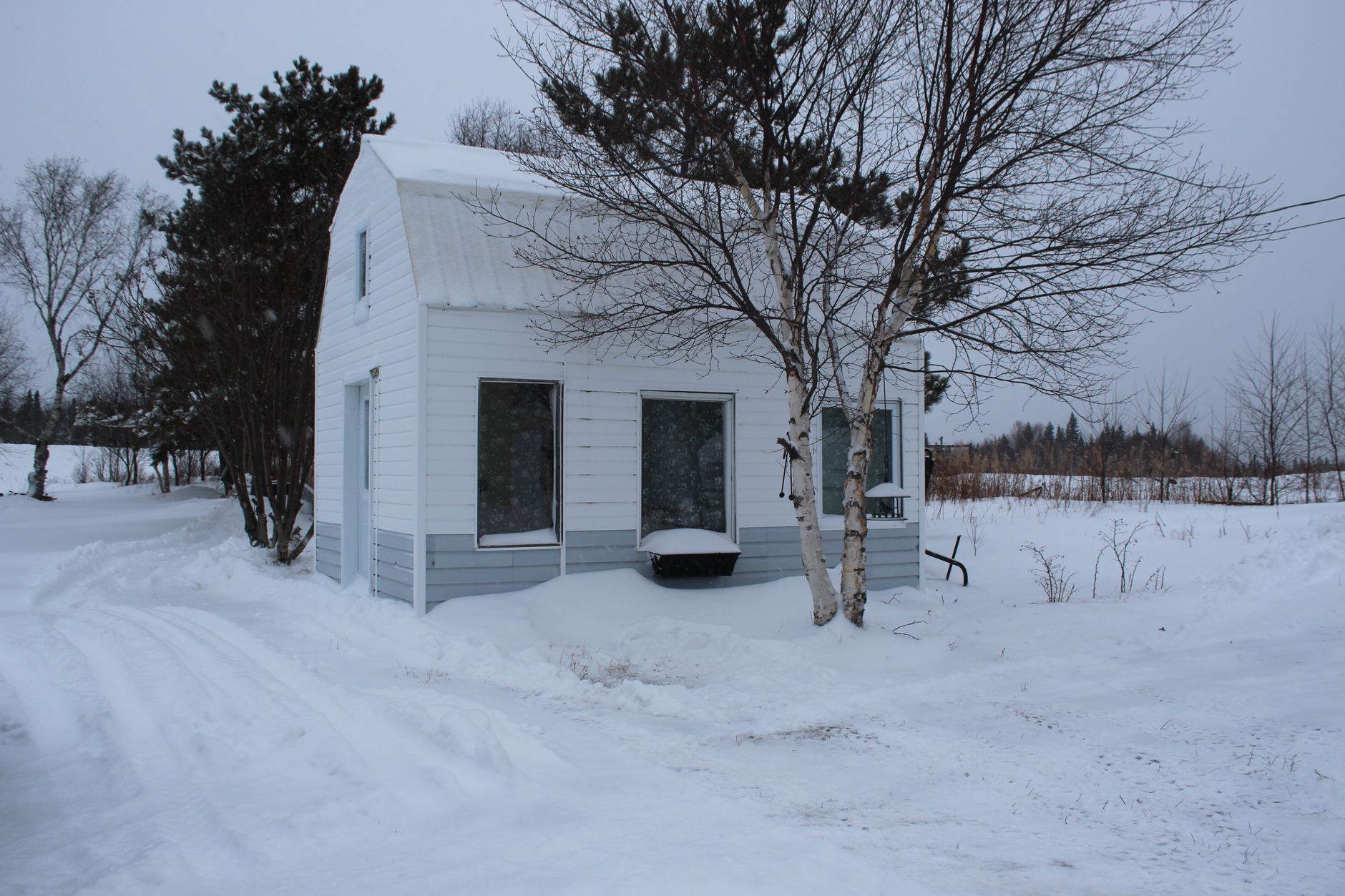
The House on Elm Street
Joyce came up the walk first. She hugged Hannah on the porch, and she said, loud enough for everybody, “I told your father we’re helping. He’s helping.”
Rod came up behind her and stopped at the same bottom step where he’d stood three weeks before. Hannah looked down at him. I came out and stood next to her.
“Morning, Rod,” I said.
“Cody.” He cleared his throat. “Looks like you’re short a man on the couch.”
He was right. Dale and his boy had the dresser, and the hospital guys had gone to get the second load. The couch was still sitting on the trailer, a big old thing from Hannah’s apartment in nursing school, heavy as a church pew.
“I could use one,” I said.
So Rod and I carried the couch. He took the front end going up the steps, walking backward, and he called it out the way men who have moved furniture before call it out. Step. Step. Watch the rail. Tip it, tip it, now bring it.
We got it through the front door on the second try. We set it down in the living room in front of the window, and he straightened up with his hand on his back and looked around the room, the oak floors and the white walls.
Then he walked down the hall. I followed him. He stopped in the doorway of the front bedroom, and he saw the wedding ring quilt on the bed, and Grandma Ida sitting in a kitchen chair beside it with her cane across her lap.
“Mrs. Jensen,” he said, and took off his gloves.
“Ronald,” she said. Ida has known Rod since he was a boy at the Methodist church. “That’s my mother’s quilt. Nineteen thirty-eight. It’s been on my bed since Eisenhower.”
“I remember it,” Rod said. “You brought it to the church bazaar once, to show. My mother said it was the finest thing in the county.”
“Your mother had good sense,” Ida said. “I always liked Marlene.”
Rod stood there a long time, looking at the quilt. Then he went back out to the kitchen, and I stayed and let him go alone.
When I came in a few minutes later, he was standing at the counter by the sink. The coffee can was still there, where Hannah had insisted it stay. The lid was off. He had one of the deposit slips in his hand, turned over, and he was reading the back.
I knew which one it was by the color of the ink. Thanksgiving, last year. Worked the holiday. Rod asked where I was. $440.
He put it back in the can, very carefully, and picked up another one. And another. He read seven or eight of them. I didn’t stop him. Hannah came to the kitchen doorway and saw him and didn’t stop him either.
When he finally put the lid back on, he kept his hand on top of it for a while.
“I said a thing at that table I can’t take back,” he said, without turning around. “I’d like to anyway. I was wrong about you. I was wrong about the railroad. I was wrong about a lot.”
“You were trying to keep her out of your mother’s kitchen,” I said.