The Honor Stand The Whole Road Kept Full
Carrying the can up to her bed
That became our morning, all through July.
I would go down before light, bring up whatever had appeared on the table, and set the coffee can on her lap. She would lift the lid herself, if it was a good day, and I would help her if it was not.
She did not care about the money. She never counted it, even then. What she wanted was the vegetables.
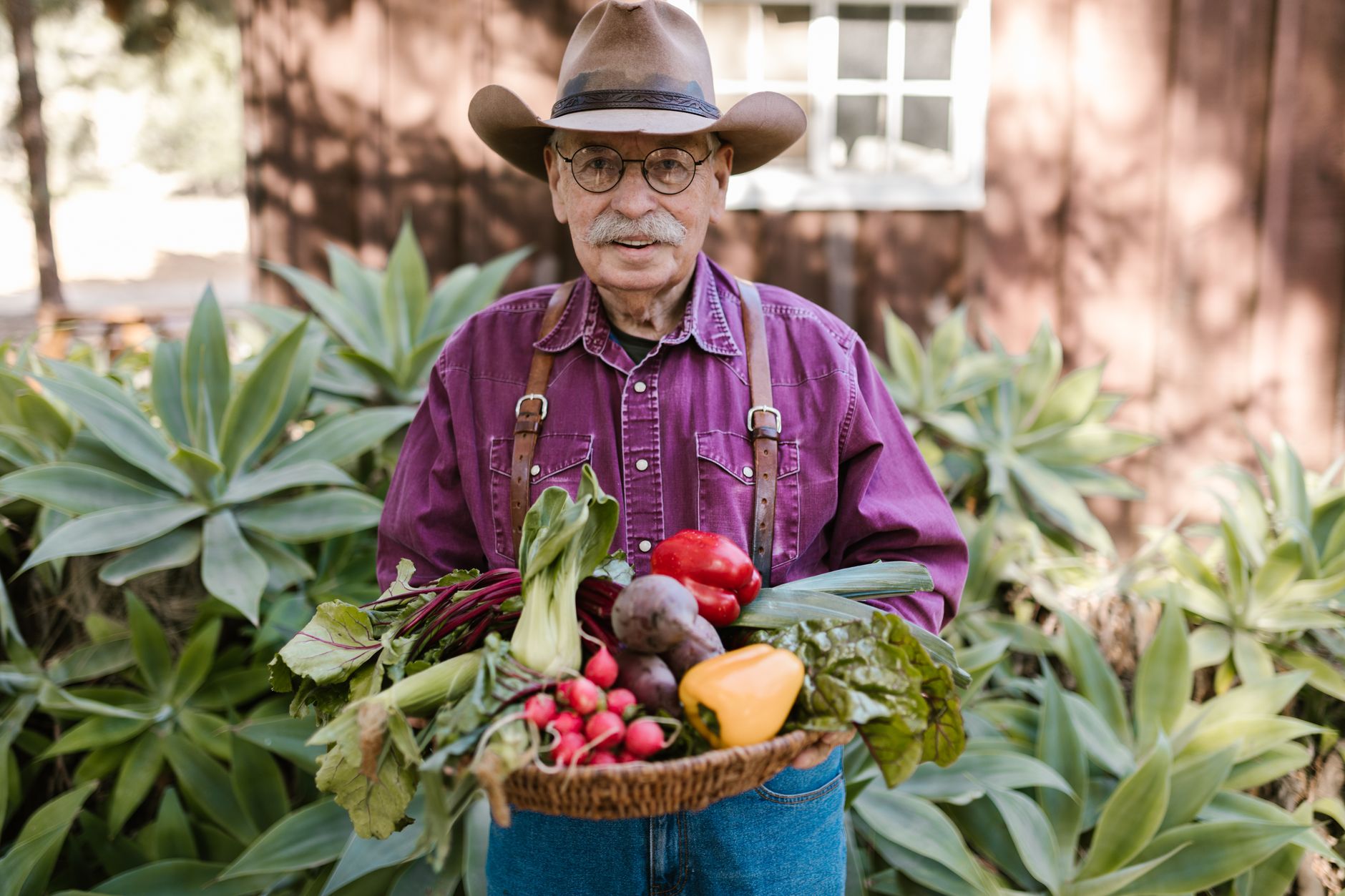
She would have me hold each thing up to the window light, and she would tell me who grew it.
That corn is Delbert Haines, she said the first morning. Look how early it came in. Delbert plants the Friday after Easter every single year, too early, and every single year he loses half to a late frost and brags about the half that made it. That is Delbert’s corn. I would know it blindfolded.
The tomatoes, she said, those are Marlene Ott’s. See how even they are, see how she picks them just before full ripe so they travel. Marlene stakes her tomatoes in straight rows like soldiers. I taught her that, thirty years ago, when she was a bride who had killed every plant she touched.
She went down the whole table like that. The squash was the Yoder place. The beets were a widower two miles north whose late wife had grown beets, so he grew them now, and badly, because he would not quit her garden.
She knew the whole road by its vegetables. She knew who was having a good year and who was struggling, who had a new grandbaby and who had a bad hip, all of it, from a card table and a coffee can.
I would read her the count from the can. Twelve dollars, Mama. Today it was nineteen.
She would close her eyes and say, the Lord is watching the can. And she would drift off to sleep with her hand still resting on the lid, and I would sit there and watch her breathe and try not to think about the drawer full of envelopes.
I did not yet understand what the real count was. I was reading her the small number. The big one was still hiding at the bottom of the can, and I had not dug for it.