The Honor Stand The Whole Road Kept Full
The summer the garden went quiet
The diagnosis came in May. It was the kind of word that makes the doctor lower his voice, and my mother did not lower hers at all.
She asked him how long. He said he could not say. She said then she would not waste either of their time asking again, and she asked me to drive her home.
We set the hospital bed up in the front room, by the big window that looks east over the garden and the lane. She chose that spot herself. She said if she had to lie still, she wanted to lie still looking at dirt she knew.
By June she could not kneel. By late June she could not stand at the stove. The garden went to weeds and the stand table folded itself up in my mind, because I simply could not add it to the list of things I was failing to keep up with.
I was giving her pills on a schedule taped to the refrigerator. I was learning to turn her so she would not get sores. I was on the phone with the county, with the insurance, with a hospice office in Chillicothe that had a six-week waiting list.
And under all of it was the bill.
The hospital bill came in an envelope so thick it would not fold. Then another. The treatments she had tried in the spring, before she decided to stop, had cost more than the farm cleared in a good year.
I sat at the kitchen table one night with all of it spread out and I did the arithmetic twice. We were going to have to sell the garden ground. The back forty that joined the road. It was the only piece worth enough to clear what we owed.
I did not tell her. She loved that ground. My father was practically in that ground. I decided I would carry the number alone as long as I could, and I folded the envelopes back up and put them in a drawer.
That was the week the stand started filling itself.
The first full dawn, and the one after
The first morning, I told myself somebody had made a mistake.
Maybe a church group. Maybe some well-meaning soul who did not know my mother was sick and had dropped off a load of garden extra, the way people do.
I took the vegetables up to the house because I did not know what else to do with them. I emptied the can into a cereal bowl. Eleven dollars and some change.
The second morning, the table was full again.
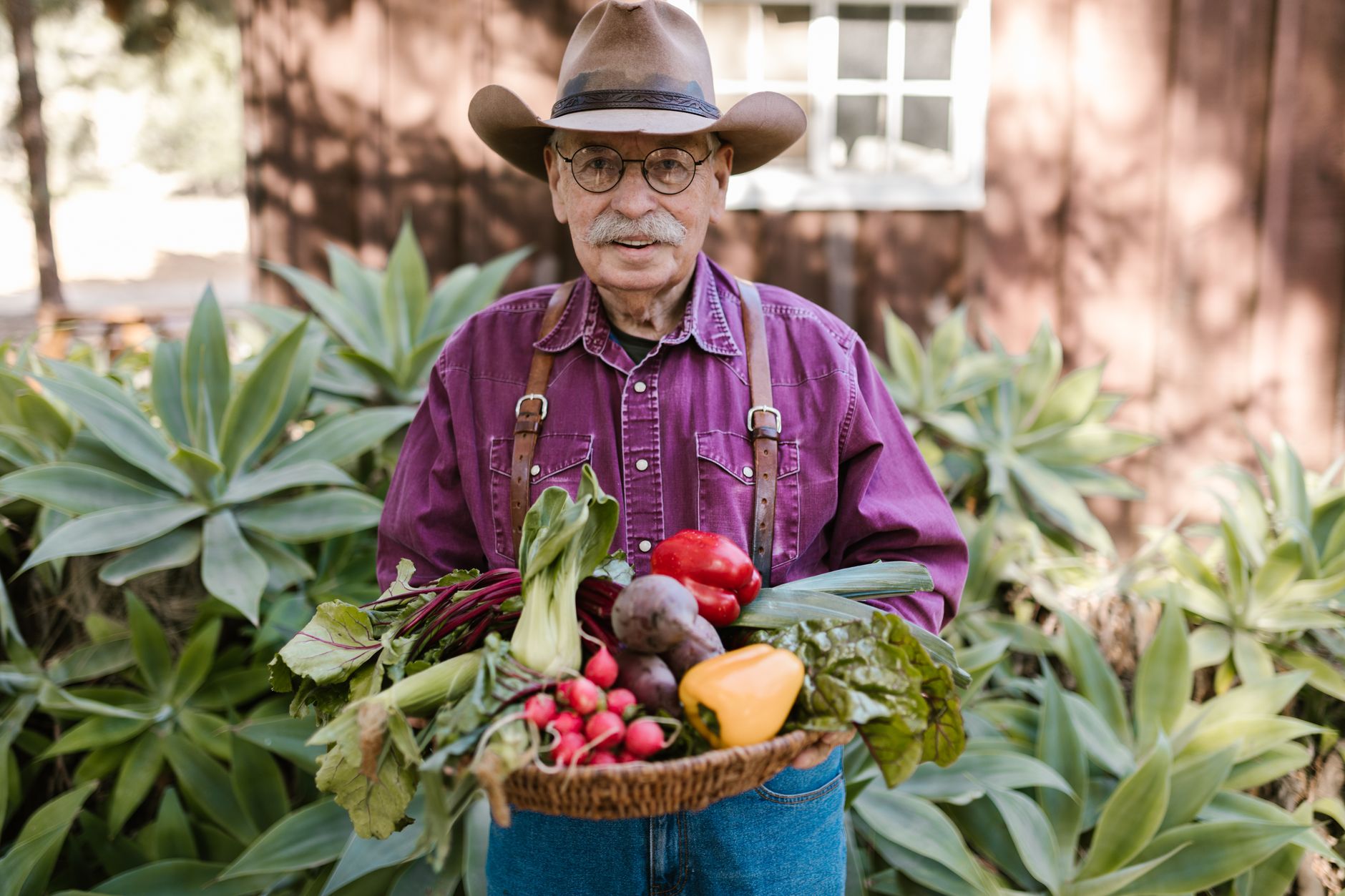
Different vegetables this time. Summer squash. A sack of new potatoes with the dirt still soft on them. A bundle of beets with the greens on. And the can had fourteen dollars in it, left by people buying from a stand that had put out nothing of its own.
I started going down earlier, thinking I would catch whoever it was. I set my alarm for four and walked down in the dark with a flashlight.
The stand was already stocked. Whoever did it came earlier than four, in that blue hour before the birds, and left no note and no name.
By the fourth morning I had stopped pretending it was a mistake. Somebody, more than one somebody, was keeping my mother’s stand alive while she lay in a bed too weak to lift a tomato.
I did not know how to feel about it. I come from people who do not take charity well. My mother least of all. I was almost angry, the way you get angry at a thing that makes you cry when you do not have time to cry.
So I did the only thing I could think of. I carried the full can up the lane and into the front room, and I set it on the quilt next to my mother, and I told her I did not understand what was happening.
She put her hand on the can. Her hands were so thin by then. She felt the weight of it, and she smiled like a girl.
Lift the lid, she said. Let me see.