The Water Right My Grandmother Left Me
Chapter 1
The creek went dry on a Tuesday in the second week of August, and by Friday I had buried nine head of cattle in the draw behind the corrals.
I am sixty-eight years old. I have worked this ground for forty-one years, since the summer Carl brought me home as a bride, and I have never in my life seen Spring Creek run empty in August.
It did not go dry on its own. The land company that bought the big Ferris outfit upstream had put a dam and a diversion across the creek in June, and they were pulling every drop of it onto the new hay circles they had leveled that spring.
My cattle have watered at that creek for ninety years. My grandmother’s cattle before mine. The creek is why there is a ranch here at all.
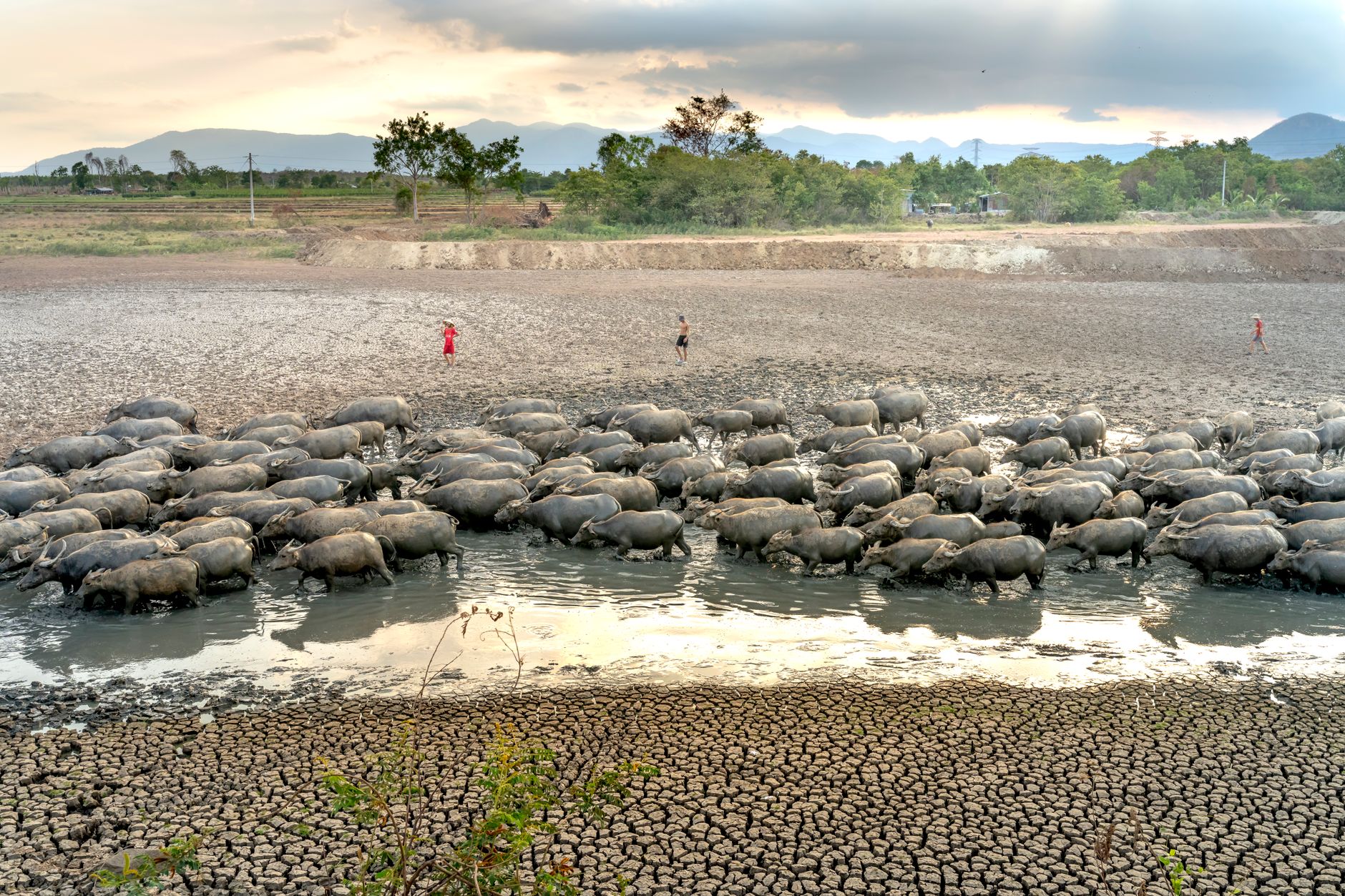
By the second week of August, my stock tank was a cracked plate of gray mud. My pairs stood at the fence line bawling at a creek bed full of white rock.
A cow will walk herself to death looking for water she can smell and cannot reach. I had a hundred and forty-two pairs, and I was losing them a few at a time, the old ones and the young calves first.
I hauled water in a four-hundred-gallon tank on the back of the flatbed, three trips a day, up a county road and down my own two-track, and it was not enough. It is never enough for that many head in that kind of heat.
Four hundred gallons sounds like a river until you pour it into a tank that a hundred and forty cows can empty in twenty minutes. I was filling at the yard hydrant off the house well, and the well was not built to carry a herd. The pump ran so long it got hot to the touch.
The vet came out on the Thursday and looked at my down cows and did not charge me, which told me more than anything he said. He walked back to his truck and stood a minute and said, “Hazel, you need water, not medicine. I can’t doctor a dry creek.”
Up the valley, if you stood on my north fence, you could see it. The company’s four hay circles, green as a golf course, the pivot sprinklers throwing rainbows into the August air, drinking my grandmother’s creek while my cattle stood in the dust and bawled at it.
That is a thing that does something to you. Green water, thrown into the air for hay, a mile above a herd dying of thirst.
I called the land company office in town. I got a young woman who said someone would call me back. Nobody called me back.
I called again the next day and asked for the manager by name, and was told he was in meetings. I left my number three times. I am a patient woman. I ran out of patience somewhere around the sixth dead animal.
That is when they sent Garrett Vance to my door.
He came up the lane in a clean white pickup with the company name on the side, on a morning when I had been awake since three hauling water and had lost a heifer calf before breakfast.
He had a folder under his arm and a look on his face like a man come to do a kindness.
“Mrs. Dunmore,” he said. “Hazel. I think we can get you out of a hard spot here.”
He set the folder on my porch rail and opened it to a check already made out. He slid it toward me with two fingers.
Two hundred and eighty-five thousand dollars, for eleven hundred deeded acres, the house my husband died in, the corrals, the hay ground, and the creek.
That is less than half of what the place is worth with water. It is a number you offer a woman you expect to be grateful.
Garrett Vance is maybe forty-five. He wears pressed shirts and clean boots that have never been in a calving barn. He is not from this valley. He drove in from the city office three days a week and he had decided, somewhere along the way, that the kindest thing he could do for the old people on this creek was to get them out before the water fight he knew was coming ever started.
“It’s a fair number, all things considered,” Garrett said. “You’re running out of water and you’re running out of summer. A place this size, a woman on her own at your age, I just don’t see how you get through to fall.”
I stood there in the clothes I had slept in, smelling of the dead calf, and I did not take the check.
Because I knew something Garrett Vance did not know. I knew what my grandmother had filed at the county courthouse in 1921, and I knew what it was worth, and it was worth more than any number in that folder.
I just had to be able to prove it before the rest of my herd went down.