The Calves That Topped the Fall Sale
In early September I weaned them. You do it right and it’s quiet: fence-line weaning, the calves on one side and the cows on the other, so they can see each other and settle down. For three nights nobody slept much, the calves bawling and the cows bawling back. Then it was over.
The vet came out two weeks later for the second round of shots. I kept them at Marge’s for 45 days after weaning, on good grass hay and a little grain in long bunks I’d built out of old conveyor belting from the shop. By the end they’d walk up to that bunk when they heard the pickup like they’d been doing it all their lives.
Ella helped me feed most nights. She named about half of them. There was a Pickles, a Mr. Brown, a Sparkle, two different Bills, and one she called Grandpa because, she said, he looked grumpy.
I asked her not to tell her grandpa about that one.
I kept back two heifers this year, the best two, and that left 40 calves for the big fall sale: 21 steers and 19 heifers.
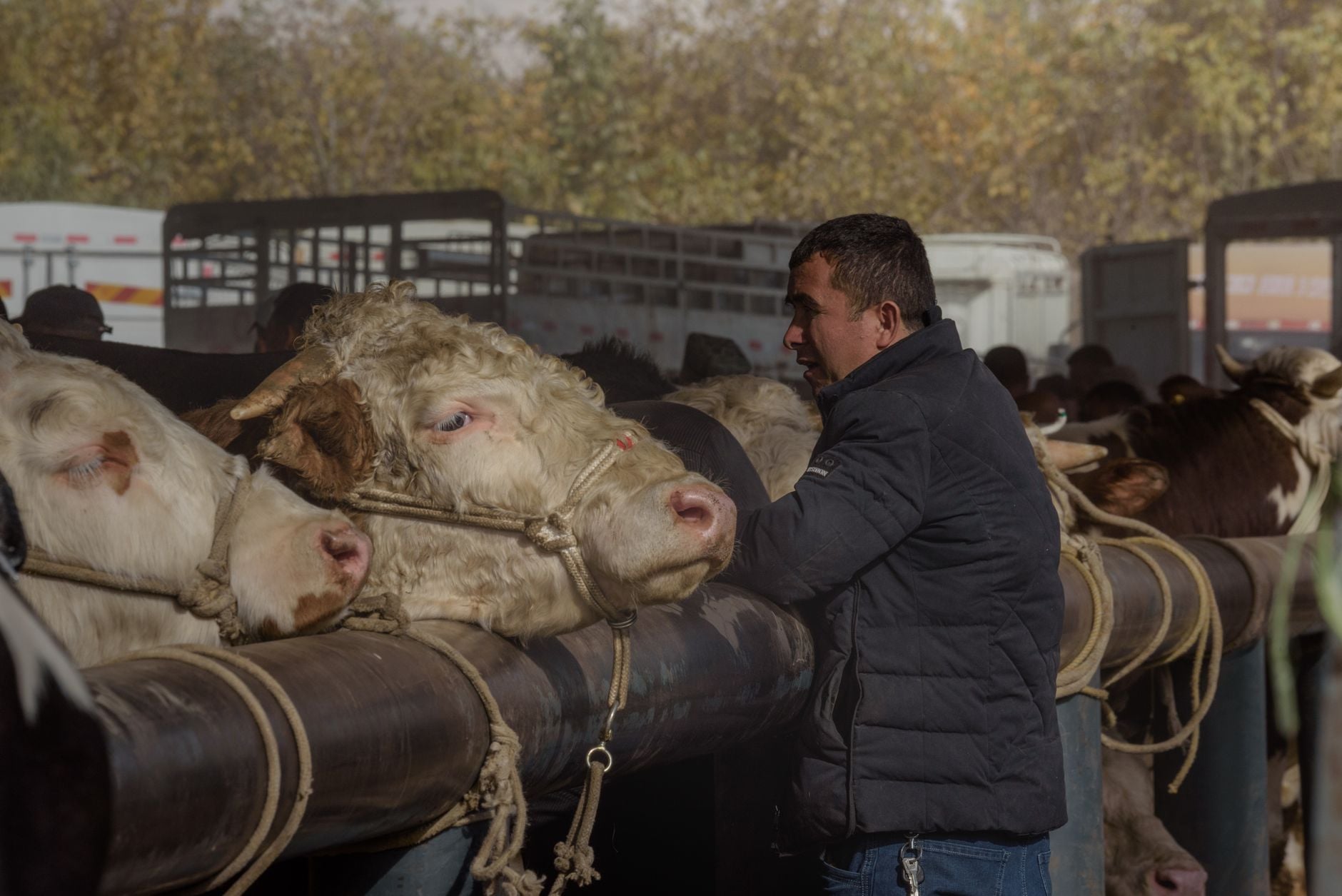
The sale barn is about forty minutes from Marge’s, a long metal building at the edge of a town smaller than ours, with pens out back that hold a few thousand head. The big fall calf sale is the biggest day of their year. Trucks and trailers parked in the ditches a mile in both directions.
I hauled the calves in two loads the evening before with a neighbor’s gooseneck, so they’d have the night to rest, eat some hay and drink. The yard men sorted them into pens. Steers in one, heifers in the next.
I filled out the consignment sheet at the office window. Under the line for notes, I wrote it all down, the way Harold told me to. Two rounds of shots, with the dates. Weaned 45 days. Bunk broke. Home raised, one bull.
The woman at the window read it over and said, “You’re Roger Fischer’s son-in-law.”
“Yes, ma’am.”
“Hm,” she said, and stamped it.
Kelsey and Ella and I got there at eight the next morning. Ella had a piece of cardboard rolled under her arm and wouldn’t tell me what it was. She’d made it at the kitchen table the night before with the door shut, and Kelsey had been in on it, and neither one of them would tell me.
“You’ll see it when it’s time,” Ella said.
The sale started at nine. We climbed up into the bleachers on the north side, about halfway up. The stands were full already, ranchers in seed caps and felt hats and canvas coats, buyers along the front rail with their sale sheets and their phones, a few wives with thermoses, a few kids. The whole building smelled like dust and coffee and cattle.
Down in the ring, Dwight was in the auction block, up behind the ring with the microphone. Dwight has been calling sales at that barn for thirty years. He’s got a voice you can hear through a cinder block wall, and he knows everybody.
Kelsey went to find us some coffee. Ella sat right beside me with her cardboard on her knees, swinging her boots.
Roger came in about nine thirty with a couple of his neighbors. He sat down on the bench right behind us, close enough that I could have reached back and touched his boot. I saw him see us. He touched the brim of his hat. I nodded.