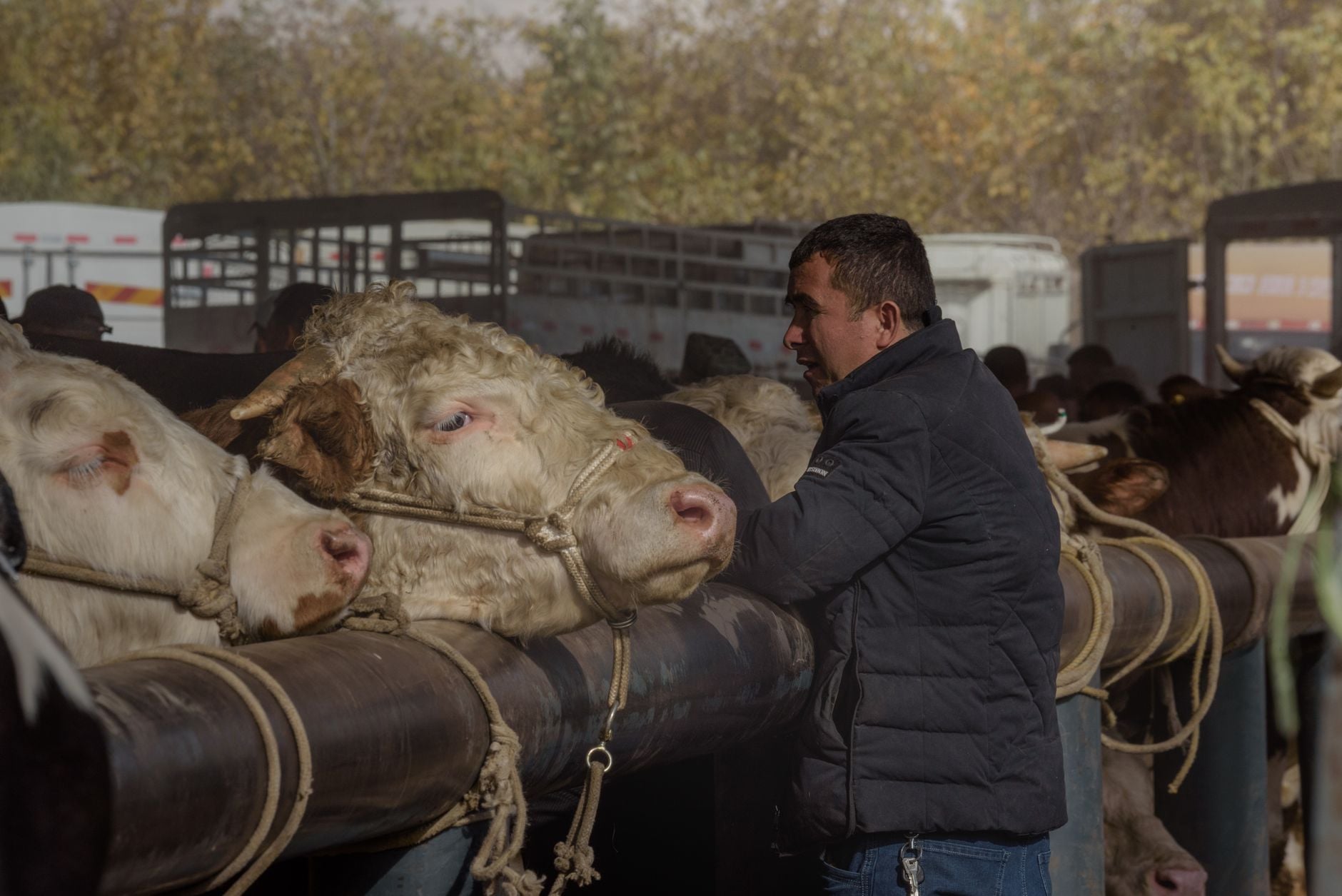
The Calves That Topped the Fall Sale
“What’s wrong?” I said.
“Nothing’s wrong,” she said. “I’ve just never gotten to watch one that was ours.”
I didn’t know what to say to that. I reached over and turned the heater up.
Not all of them came out fine. On the fourth night I had a heifer, my youngest cow, in trouble with a big calf coming backward. I knew enough to know I didn’t know enough. I called Walt at three in the morning.
He was there in twenty minutes in his old Ford, in his bathrobe and overshoes and a seed cap. He talked me through the calf puller, showed me where to put the chains, and told me when to pull and when to wait with the cow.
The calf lived. We rubbed him down with feed sacks in the barn until he picked his head up, and then Walt sat down hard on a bale and said, “Well. That’s how you learn.”
I lost two calves that first spring. One to the cold and one I never did figure out. I took both of them hard. Walt told me any man who doesn’t take it hard shouldn’t be in the business.
By the end of April I had 38 live calves on the ground out of 40 cows, and I was so tired I fell asleep twice in the break room at the shop. My boss, a big quiet man named Dale, started leaving me the easy jobs in the afternoons and never said a word about it.
I learned everything else from the feed store.
There’s a counter at the co-op in town where old men stand and drink free coffee from 6:30 to about 8 every morning. I started stopping there before work. I’d buy a bag of mineral or a box of ear tags, and I’d ask one question. Just one, every morning.
What do you creep feed with, and when? When do you give the first round of shots? How long do you leave the calves on the cow? Who’s the best vet for preg checking? Why do some people’s calves bring more at the sale than other people’s that look just the same?
That last one got a long answer. Most of a week of answers, actually.
It came down to this, the way they told it. A buyer at the sale barn is guessing. He’s buying calves he’s going to ship to a feedyard or put on wheat pasture somewhere, and the thing that scares him most is calves that get sick when they’re hauled. Sick calves die, or they cost money to treat, and they never gain like they should.
So the calves that bring the most are the ones a buyer trusts. Calves that have had their shots, twice.
Calves that have been weaned at home for a month and a half, so they’re done bawling for their mothers before they ever get on a truck. Calves that already know how to eat out of a bunk. And calves that all look alike, so a buyer can fill a pen with them.
“Do all that,” said a rancher named Harold, who was about 85, “and say so on the sale sheet, and then do it again the next year, and the next one. Buyers remember.”
I asked him how long it took for them to remember.
He thought about it. “About five years,” he said.