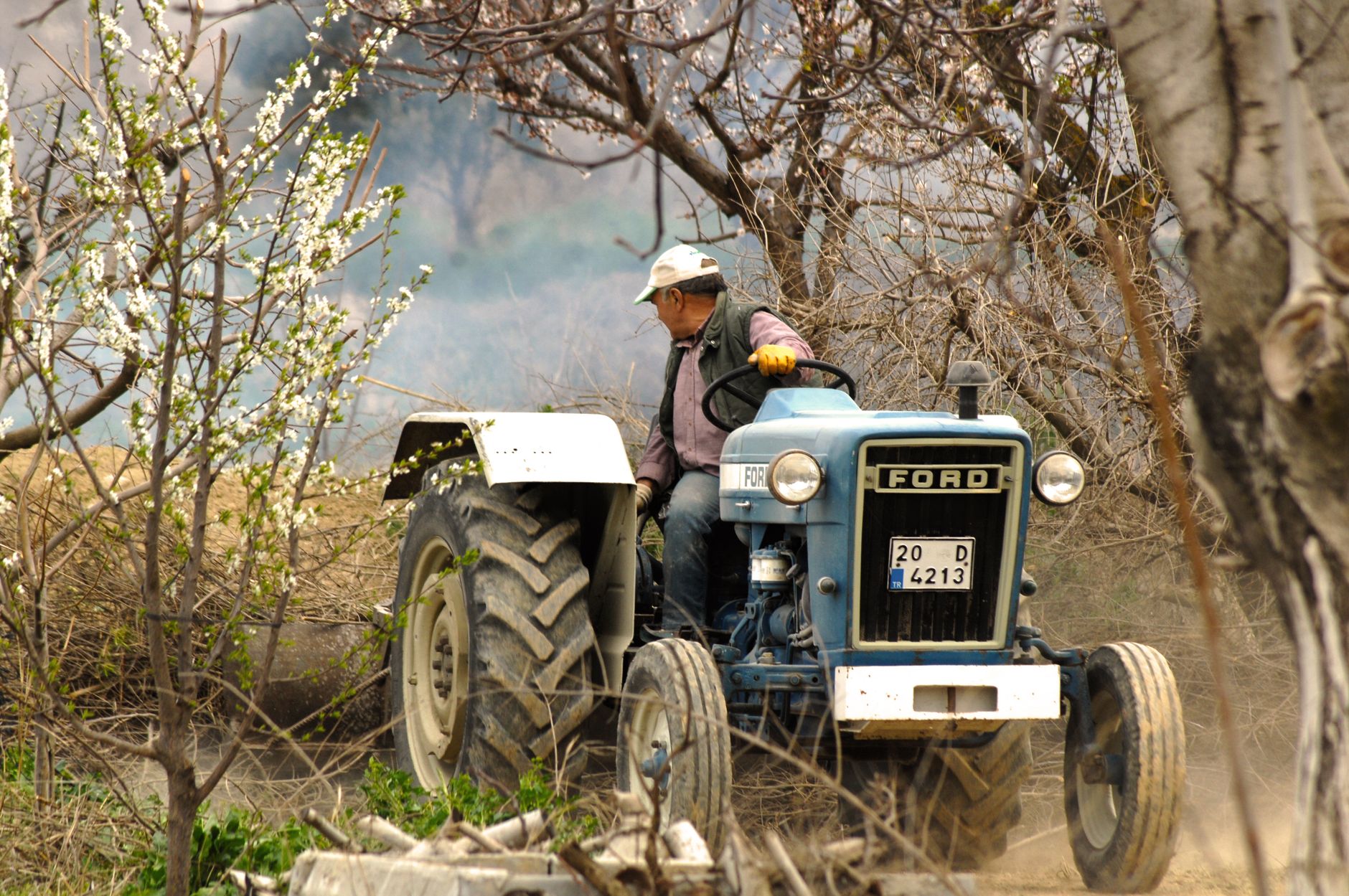
The Little Ford That Pulled the Excavator Out
“Harold,” he said. He said it loud enough for the crew. “Would you show Cole and Shane how you rigged that? From the start. The dead-man and the blocks and why you hooked it low.”
He stopped, then said, “I’d like to learn it too.”
I looked at him for a minute. I’m not proud of this, but there was a part of me that wanted to say something about lawn ornaments. Seventy years old and I still have that part.
I didn’t say it. Ann used to say that the best time to let a man keep his dignity is right when you could take it.
“Your machine did most of the work,” I said. “Shane did the rest. The 8N just held on.”
“Show me anyway,” Brent said.
So I climbed down and we walked the whole rig, all four of us, with the two young guys trailing behind.
The dead-man, the block on the track frame, the two parts of line, the coat over the cable, the low hitch.
Brent stopped me at the block and asked me how to figure the pull. I reached in my coat for a pencil and he said, “Wait,” and asked if I had any paper.
I had one of those little notepads from the co-op feed store in my shirt pocket, the kind they hand you at the counter with the store name across the top.
I gave it to him. He took notes on it, standing in the mud in the rain with a stub of a carpenter’s pencil, asking me questions like a kid in shop class.
Shane asked me how deep you’d dig a dead-man in sand. Cole asked me what would have happened if the railroad tie had broken. Brent wrote down the answers to both.
I’ve been asked a lot of questions in my life. I don’t know that I’ve ever been asked better ones.
When we were done, Shane and the crew went to load up the blocks. The light was going. Cole was standing by the 8N with his hand on the hood, where Brent had laid the chain.
“Climb up,” I said. “Take it home.”
He climbed up on the seat. He sat there a minute with both hands on the wheel, and I stood beside him with my hand on the fender, the way my father used to stand beside me on the same tractor in the same field, sixty some years ago.
The fender was still warm from the engine. Cole looked down at me.
“Grandpa,” he said, “I’m sorry I laughed.”
I didn’t trust my voice for a minute. I kept my hand on the fender.
“You stopped,” I said. “That’s the part that counts. Most people never stop.”
He nodded. Then he started it on the first pull, eased the clutch out, and drove my father’s tractor up the hill toward the yard in the last of the light, slow and careful, with the wagon behind him and the crew watching him go.
Brent stood next to me and watched him too. He didn’t say anything for a long time.