Three Summers in the Corn
The little book
Vern kept the hours in a green Pioneer seed notebook he kept in the bib of his overalls. Every night before Caleb left, Vern would write the date and the hours, and Caleb would check it and initial it. It was like watching two bankers.
“Three and a half,” Vern would say.
“I think it was three and a quarter. We sat down for the pop.”
“You don’t get docked for the pop.”
“Then three and a half.”
They did that every night, solemn as church. Fifteen dollars an hour, three thousand dollars. Two hundred hours. Caleb could do maybe twenty a week, between school and football and evenings and Saturdays. I did the math in my head and it came out to ten weeks, and I did not tell him.
I didn’t have to. He’d done it too.
“It’s going to be November,” he told me one night in the car. “The truck’s going to sit there all fall.”
“Is that okay?”
He thought about it. “Yeah,” he said. “It’s parked at a good place.”
What the town heard
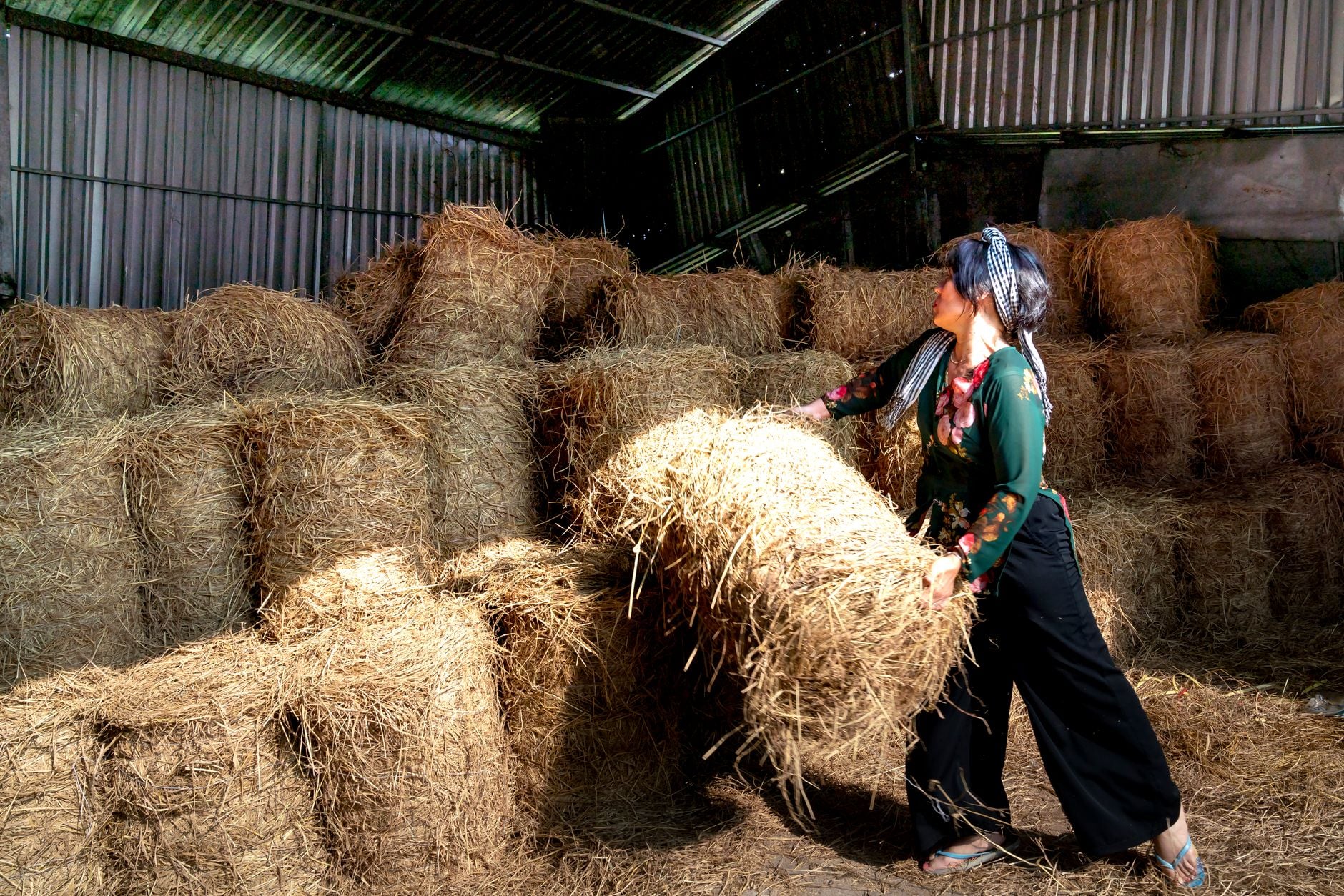
I said nobody heard it from us. That is true. But my son was stacking hay every evening twelve miles north of town for a seventy-four-year-old widower, and his truck was parked by that widower’s shed, and in a town of three thousand that is a story whether anybody tells it or not.
It came back to me at the office first. Brenda, our hygienist, said, “I heard Caleb’s out at the Pohlman place.” Then Kim from the café. Then the pastor’s wife, who said, “I think that’s the finest thing I’ve heard in this town in a year,” and patted my hand like I’d had something to do with it.
I hadn’t. All I’d done was drive.
But I knew what else they were hearing, because I knew how this town works. They were hearing who sold the truck.
I’ll be honest. Some small mean part of me was glad. For about three days. Then I ran into Darren at the Casey’s on a Tuesday morning, and the gladness went right out of me.